Afghanistan: The golden time, or the lifesaving window in trauma care
MSF deputy nursing director shares a patient’s journey after a devastating explosion in Afghanistan
Ishaq* arrived in critical condition. He’d been playing near his home in Kunduz, Afghanistan when he picked up an unfamiliar object. As he tried to open it to see what it was, it exploded. He was around eight years old.
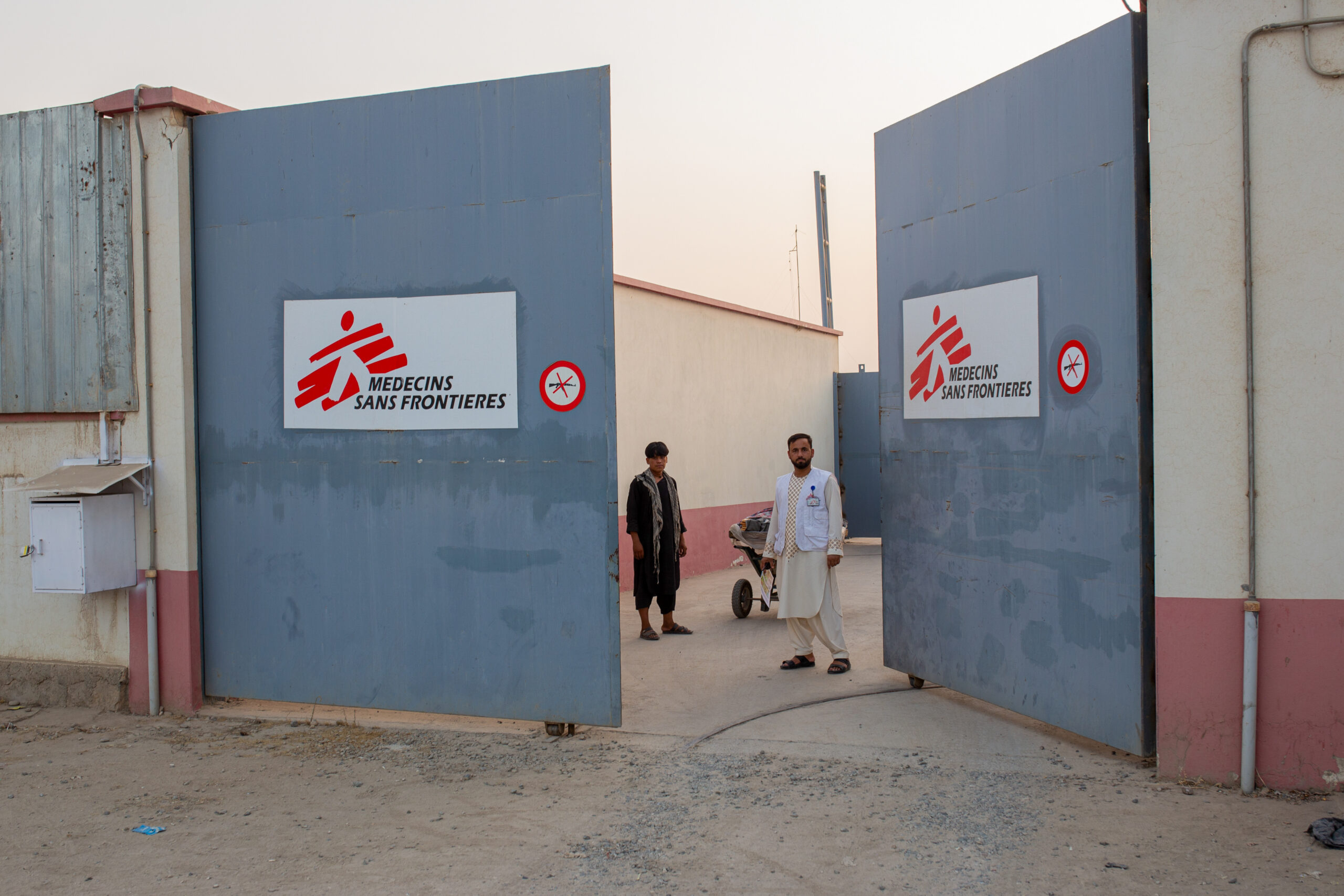
Ishaq’s family acted fast. They used a scarf, desperately trying to stop the bleeding as they rushed him to the Doctors Without Borders/Médecins Sans Frontières (MSF) Kunduz trauma centre. In our emergency room, we assessed Ishaq quickly. He had many penetrating wounds, multiple fractures and part of his hand had been blown off. The injuries to his torso were so extensive that his intestines were exposed.
His family’s rapid actions had kept him alive long enough to get him to the hospital and our team raced to stabilize him.
Ishaq was coming dangerously close to organ failure. We gave him rapid doses of resuscitation fluids and opened his airway. We gave him antibiotics to fight the infection and medication to try to allow his heart to resume pumping blood around his body at a steady beat.
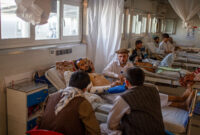
Our hospital is in a city in northern Afghanistan, in a largely rural province where most people have agricultural livelihoods. We are a specialized trauma centre so we are used to seeing patients with open wounds from falls, traffic accidents and explosives.
When we assess a patient in a condition like Ishaq’s, we use the C-ABCD approach – catastrophic bleeding, airway, breathing, circulation, disability. This not only helps prioritize the actions most likely to save someone’s life, it also helps us monitor them for changes in their condition. But the explosion meant Ishaq’s wounds were covered in dust and dirt and penetrated deeply – the chance of infection was extremely high.
In the following days, Ishaq developed sepsis and then went into septic shock. In sepsis, the infection causes a patient’s blood vessels to expand, creating more space inside them. The extra space means the pressure that allows the blood to be pumped around the body starts to drop. The heart starts to beat faster to try to compensate, but the body cannot sustain this forever. Over time, as the heart starts to tire, it can’t pump adequate blood around the body, so the organs don’t get enough oxygen. They start to fail.
Ishaq was coming dangerously close to organ failure. We gave him rapid doses of resuscitation fluids and opened his airway. We gave him antibiotics to fight the infection and medication to try to allow the heart to resume pumping blood around the body at a steady beat.
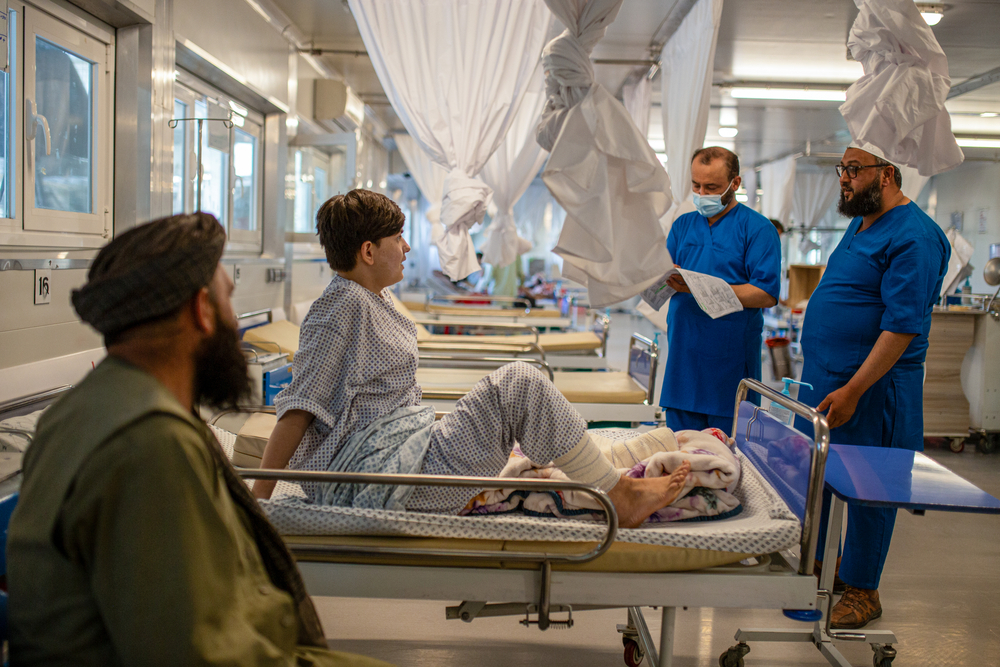
Ishaq needed multiple surgeries for his extensive wounds, but at first he was too unstable for the operating theatre.
We monitored him closely. He was in a critical condition and his chances of survival were very low. We spoke to Ishaq’s family about how extensive his injuries were and how it was possible he would not survive. It is never easy to have these conversations with loved ones, especially when a patient is so young. We tried to keep Ishaq as comfortable as possible and manage his pain.
In that moment, I was proud of the hospital, proud of our team and proud of myself. Our care meant that Ishaq was able to return home and go back to being a child again.
As days passed, Ishaq remained unstable. But he was still with us.
After seven days, Ishaq slowly began to come out of septic shock. Eventually, he became stable enough for surgery. Ishaq underwent multiple surgeries resulting in over 200 stitches. We observed him carefully for any complications.
Gradually, Ishaq began to recover. He grew stronger and stronger. After just four weeks, he was well enough to be discharged from the hospital.
Our team was overjoyed. For a while we had been unsure that Ishaq would survive, but he was a strong little boy. Seeing him walk through the hospital, talking with his family and smiling gave me a huge sense of pride. In that moment, I was proud of the hospital, proud of our team and proud of myself. Our care meant that Ishaq was able to return home and go back to being a child again.
In trauma care, we often talk about the “golden time” – a critical moment where rapid actions can save a patient’s life. For Ishaq, his family’s quick reaction meant that he made it to the hospital in time for our team to give him the specialist care he needed.
*Name has been changed.