Middle East crisis: What is MSF doing?
We are adapting our programs to respond and are closely monitoring the rapidly evolving humanitarian needs.
Doctors Without Borders/Médecins Sans Frontières (MSF) is alarmed by the dramatic escalation in conflict across the Middle East region, following strikes by US and Israeli forces in Iran and Iran’s subsequent retaliatory actions in several countries.
Across the region, the escalation in violence has brought fear to the lives of millions of people, including in Lebanon, Iran and the Gulf countries. Bombing continues across multiple cities and villages, often hitting densely populated areas, and casualties are mounting. Hundreds of thousands of people have been forced to flee.
We are adapting our programs to respond and are closely monitoring the rapidly evolving humanitarian needs.
MSF calls for the protection of civilians, hospitals, health facilities and other essential infrastructure.
How is MSF responding in the Middle East?
Our teams in both Iran and Lebanon are currently confirmed safe, and we are monitoring developments and assessing how to provide support to the people affected.
We have medical supplies in both countries ready to be distributed.
Iran
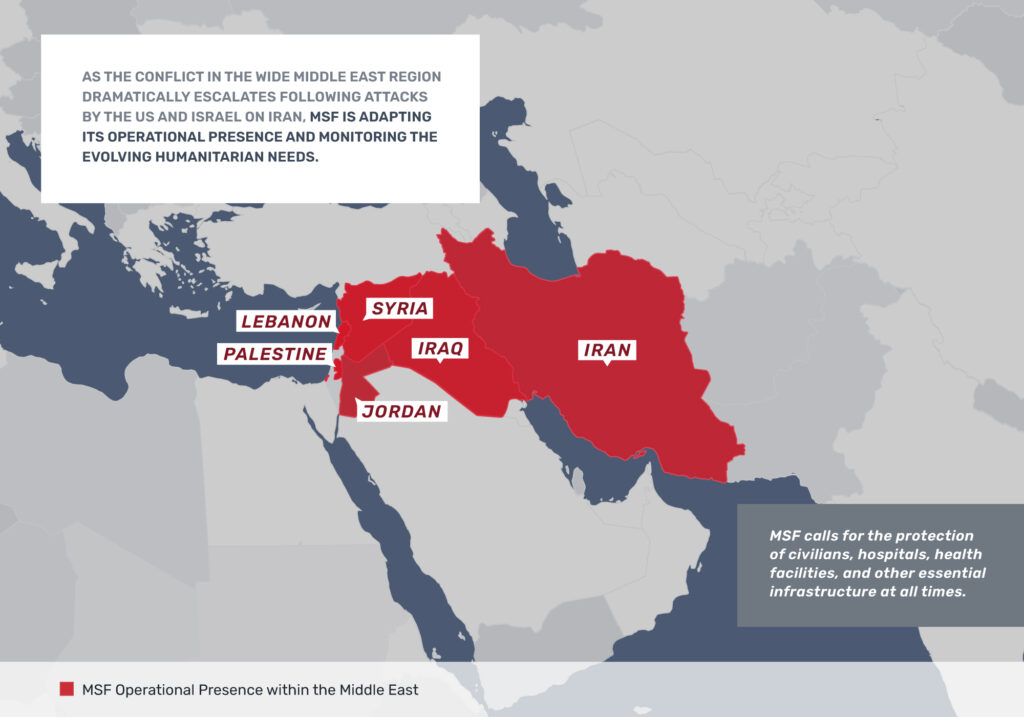
Before February 28, when the escalation began, MSF had been running three projects in Iran, providing essential healthcare to equity-deserving communities. This included conducting 6,000 medical consultations per month, as well as providing midwifery care, infectious disease screening and treatment, and mental health support.
Our clinic in Tehran remains temporarily closed due to heavy bombing. In Mashhad, near the Afghan border, our teams provide medical and psychological consultations as well as screening for infectious diseases for Afghan refugees. In Kerman province, MSF is the only medical organization providing direct healthcare services to Afghan refugees. These two clinics are still open, operating with reduced staff.
Our teams are seeking authorization from authorities to scale up emergency care support in response to conflict-related needs – including opening our clinics 24/7 and supporting the local health systems. We are awaiting a response.
Lebanon
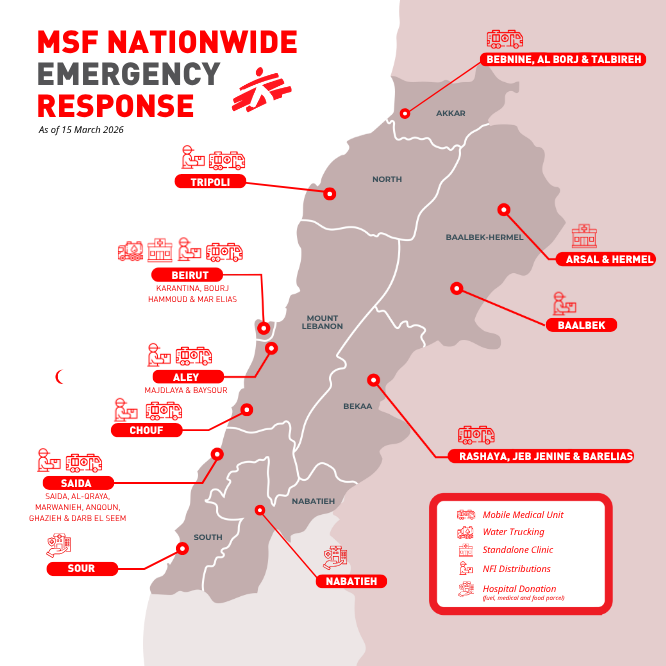
In Lebanon, MSF teams are adapting activities to respond to the emerging needs of people who have been displaced, while ensuring continuity of care across our regular projects.
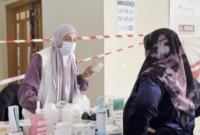
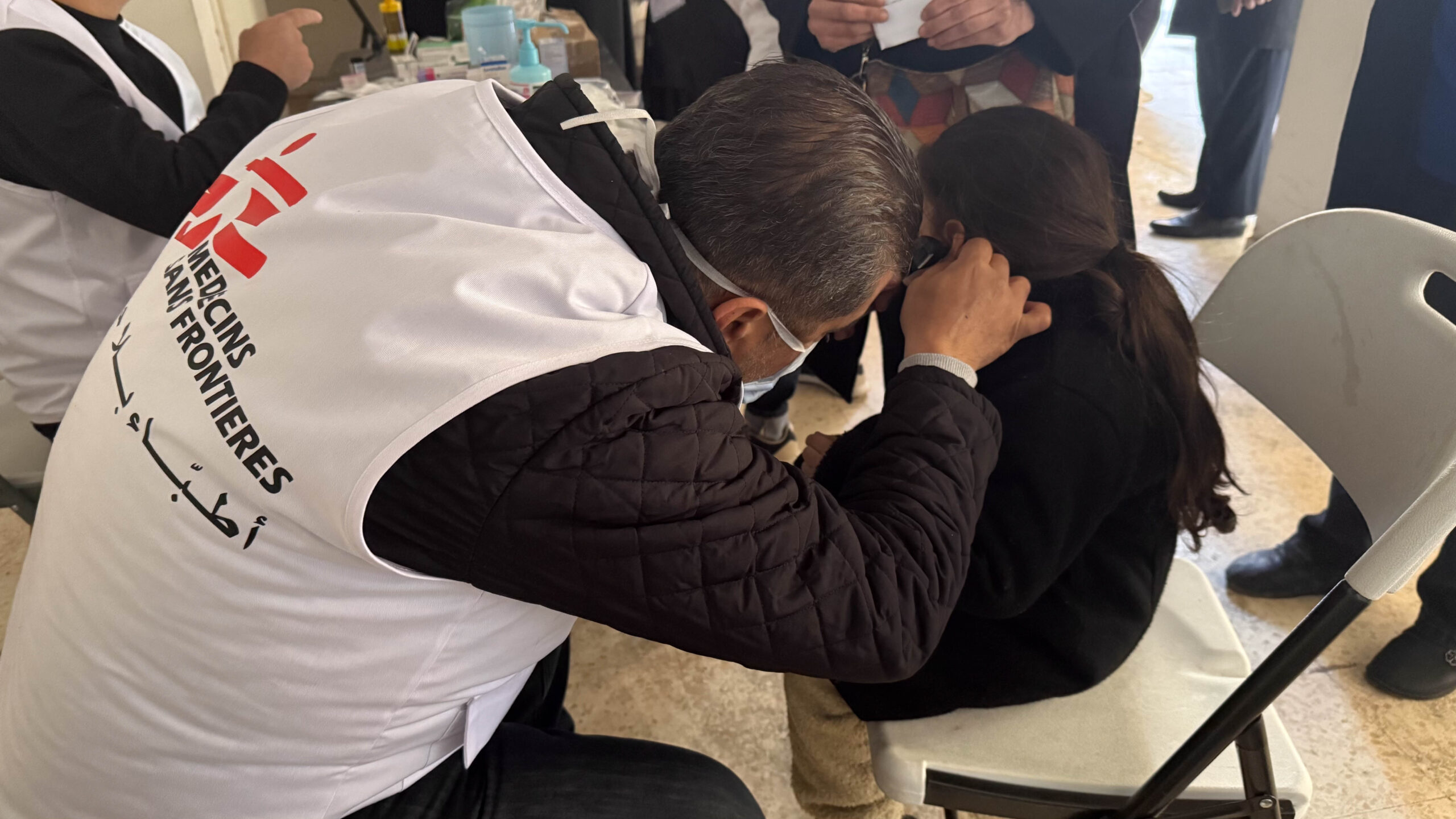
Across the country, we have set up several mobile clinics to reach displaced people, including in Beirut, Saida, Barja, Bebnine and in the Bekaa region. Through these clinics, we provide general healthcare consultations as well as consultations for sexual and reproductive health and mental health needs.
MSF is also trucking and providing water in Beirut and distributing essential relief items, such as blankets and hygiene kits, in Beirut, Mount Lebanon, South and Baalbek-Hermel governorates.
In Nabatiyeh governorate, MSF has had to suspend activities due to evacuation orders issued by Israel, and the lack of security guarantees for staff. However, our teams continue to explore avenues of providing support in the area. We continue to run our clinics in Bourj Hammoud in Beirut and in Arsal in Baalbek-Hermel governorate, and to support healthcare centres in Tripoli.
MSF remains in contact with Lebanese authorities and other organizations, and is ready to continue scaling up our response as required.
How is MSF responding elsewhere?
Elsewhere in the region, our teams in Gaza and the West Bank continue to address the significant medical and mental health needs.
In Iraq, MSF has medical supplies available to be used or distributed in the region if needed.
How can I help MSF?
Our teams across the region – in Iran, Iraq, Jordan, Lebanon, Palestine, Syria and Yemen – are only able to respond because of donations from people like you.
By donating to MSF today, you will help ensure that we can deliver emergency medical care to people caught in crises around the world.
GIVE NOWWhat is the situation in Iran and Lebanon?
Iran
Receiving information from our staff in Iran is extremely difficult due to the communication blackout. At the same time, airstrikes have created operational challenges, although we have so far been able to continue some activities, albeit with reduced staff numbers.
Lebanon
More than 660,000 people have been displaced in Lebanon, according to the UN.
“The escalation in conflict comes after a ‘ceasefire agreement’ [in Nov. 2024] that never brought real safety for people in Lebanon,” says MSF program manager Francesca Quinto.
“The latest strikes and evacuation orders to all of Beirut’s southern suburbs and almost all of the south of the country are now forcing even more people to flee. And there is nowhere safe to go.”
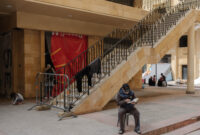
Many people have already been displaced multiple times during previous escalations. Shelters are now overcrowded, with some people sleeping in their cars or on the streets. Soome have remained in their homes despite evacuation orders, while others have returned due to a lack of space in shelters or lack of means to rent accommodation.
Hospitals are receiving casualties, and humanitarian needs are increasing rapidly –including the need for water and essential items – especially in shelters.
MSF, conflict and war
In conflicts and war zones, MSF does not take sides. We provide medical care based on needs alone and try to reach the people who need help most.
If warring parties see aid organizations as being on one side of a conflict, we are less likely to gain access to those in need and more likely to be attacked. One of the ways in which we are able to demonstrate our independence to warring parties is to ensure that our funding for work in conflicts comes from private individuals, rather than from governments or large institutions.
Learn more about our principles