Democratic Republic of Congo: MSF calls for critical action as the humanitarian situation worsens for South Sudanese refugees
Humanitarian needs escalate as overcrowding, malnutrition and violence endanger South Sudanese refugees.
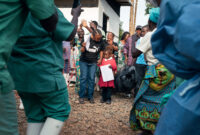
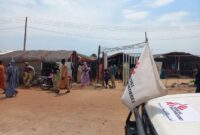
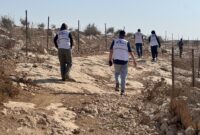
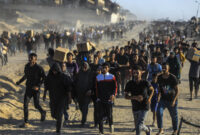
More than 45,000 South Sudanese refugees have crossed into Democratic Republic of Congo (DRC) since April 2025, fleeing escalating violence in their home country. Most are now living in the Adi health zone, in northeastern Ituri. Among them is Sanya Nghota, who escaped with 13 of his family members.
“We fled because of the war and killings that took place in our village,” he says. “Everyone fled our village. I found them again here in the DRC. There is no hope of returning due to insecurity in South Sudan.”
This year has witnessed the sharpest surge in violence since the 2018 peace agreement ended South Sudan’s civil war, as rebels clash with government forces. In September, a trial opened against vice-president and longtime opposition leader Riek Machar, which has further inflamed tensions and has been driving daily increases in arrivals to the border area of Adi, in Ituri province. In response, Doctors Without Borders/Médecins Sans Frontières (MSF) launched an emergency intervention in May. Despite these efforts, the humanitarian situation appears to be worsening and other agencies are sorely needed to meet the growing needs of this at-risk community.

Pushing communities to the brink
As host communities absorb rising numbers of refugees, overcrowding is common, with up to 10 people sharing single rooms. Mortality rates in the area have increased, with children under five representing approximately 30 per cent of deaths.
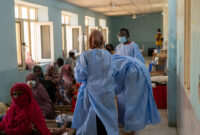
Most of the cases MSF sees are for malaria. Resources like food and water are under unprecedented strain. MSF reports concerningly high malnutrition rates affecting 8 per cent of patients aged six to 59 months.
“My family and I eat once a day – mostly leaves we find near our home, which we prepare with fufu,” says Nghota. “Since arriving in DRC, we haven’t eaten meat. Our priority today is food.”

The difficult task of finding food and safety
The large majority of refugees are not allowed to cultivate in Ituri. Many face restrictions imposed by local communities, forcing them to undertake perilous journeys back into South Sudan to seek sustenance.
“If I come across armed groups, they sometimes take everything, sometimes they can rape or torture me,” says Lila Satay, who fled with her two children. “Rebels or armed forces find us and take everything. This has happened multiple times.”
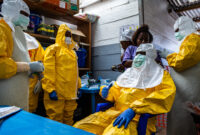
Sexual violence is a growing problem for South Sudanese refugees now living in Adi. In September alone, MSF provided a complete package of medical and psychosocial care to 13 survivors – and it is likely many more cases go unreported.
“The situation is critical. Other organizations must urgently reinforce multisectoral efforts – especially in food assistance, water, sanitation, hygiene, livelihoods and protection – to prevent this crisis from deepening further.”
Marcos Tamariz, MSF’s project coordinator in Adi
With the security and humanitarian crises worsening on both sides of the border, MSF calls urgently for additional humanitarian agencies to escalate their support.
“MSF is committed to doing all it can to assist these communities at-risk, but this challenge is beyond our capacity alone,” says Marcos Tamariz, MSF project coordinator in Adi. “The situation is critical. Other organizations must urgently reinforce multisectoral efforts – especially in food assistance, water, sanitation, hygiene, livelihoods and protection – to prevent this crisis from deepening further.”
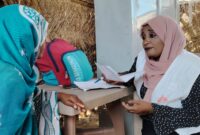
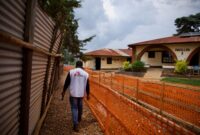
By early October, MSF teams had conducted over 10,000 medical consultations through mobile clinics and more than 2,500 at community care sites. We vaccinated 43,000 children, installed and rehabilitated six water points and distributed nearly 6,000 non-food item kits containing essentials such as mosquito nets, soap and cooking utensils.