Lebanon: 46 days of bombardment strained healthcare system
Under fragile temporary ceasefire, health workers in southern Lebanon rest and prepare in case hostilities resume.
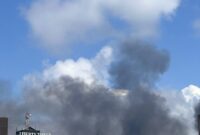
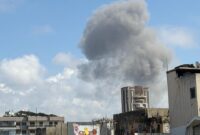
The war in Lebanon is now under a fragile temporary ceasefire, but the conflict has had a devastating impact on Lebanon’s healthcare system and staff. Over 46 days of bombardment by Israeli forces, attacks on first responders and hospitals put healthcare workers at risk and resulted in injuries and deaths. Nevertheless, Lebanese health workers — including Doctors Without Borders/Médecins Sans Frontières (MSF) teams —continued to provide essential care under immense pressure.
During the escalation of conflict, healthcare staff in southern Lebanon worked around the clock, responding to near-daily influx of injured and killed people brought to hospitals. Patients, including children, arrived with severe injuries, including heavy bleeding, traumatic amputations and complex wounds. Healthcare workers often feared their family members or friends would arrive among the dead and wounded.
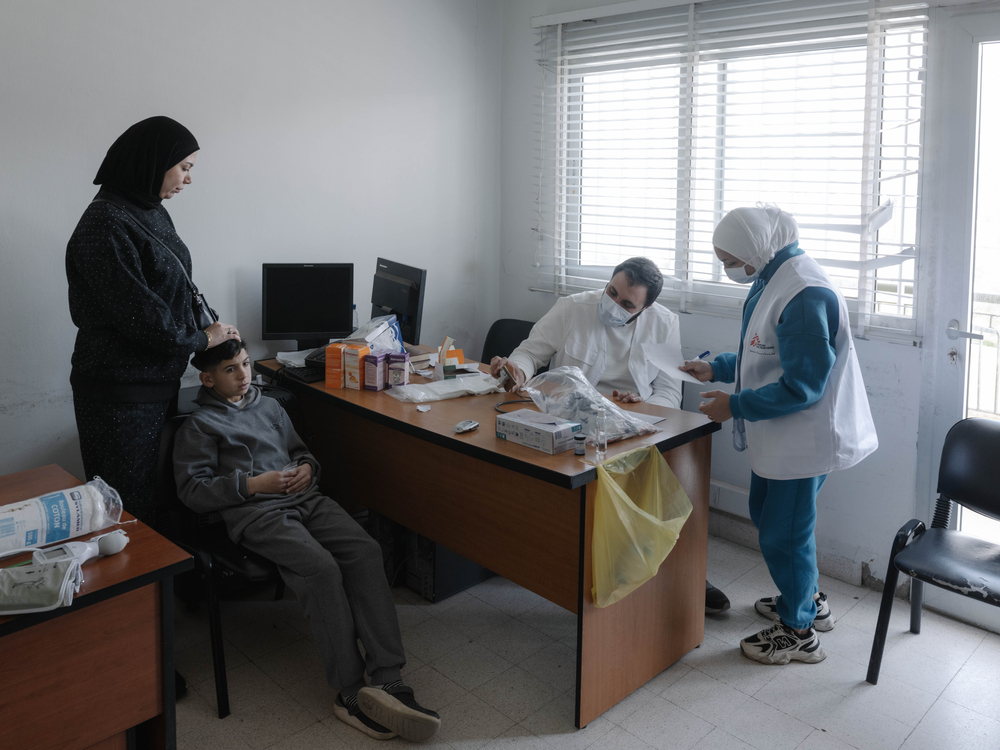
Taking shelter while working
In Nabatiyeh, thousands of people were forcibly displaced following Israeli forces’ massive bombardment and blanket evacuation orders. Yet many families chose to stay behind and healthcare workers remained at their posts to keep essential services running. At the Nabatiyeh governmental hospital, around 42 families, including medical staff and their children, sheltered inside the hospital.
“Healthcare staff in Nabatiyeh’s hospitals slept inside the hospitals for a total of 46 days,” says Tania Hachem, MSF medical program manager. “Some couldn’t go see their families, while others had relatives staying with them in the hospital.”
“We had just seen him that very morning… Imagine, you see someone and everything is perfectly normal, until suddenly it isn’t. He was a paramedic. He left and never came back.”
Ahmad Zreik, general practitioner at Nabatiyeh governmental hospital
Staff at the nearby Najdeh Chaabiye hospital were also responding to mass casualty events while sheltering inside the facility because movement inside the city was extremely dangerous under ongoing strikes by Israel forces. Even obtaining basic supplies required ambulances to travel to other cities.
“Part of our emergency-preparedness plan was for everyone to remain inside the hospital, so no one had to go back and forth,” says Mona Abu Zeid, physician and director of Najdeh Chaabiye hospital, who also stayed at the facility throughout the escalation. “Doctors slept here and their children stayed with them.” Patients injured by Israeli strikes would be brought in with devastating injuries, heavy bleeding and life-altering wounds.
“Sometimes children would come to the hospital with both their parents killed,” says Abu Zeid.
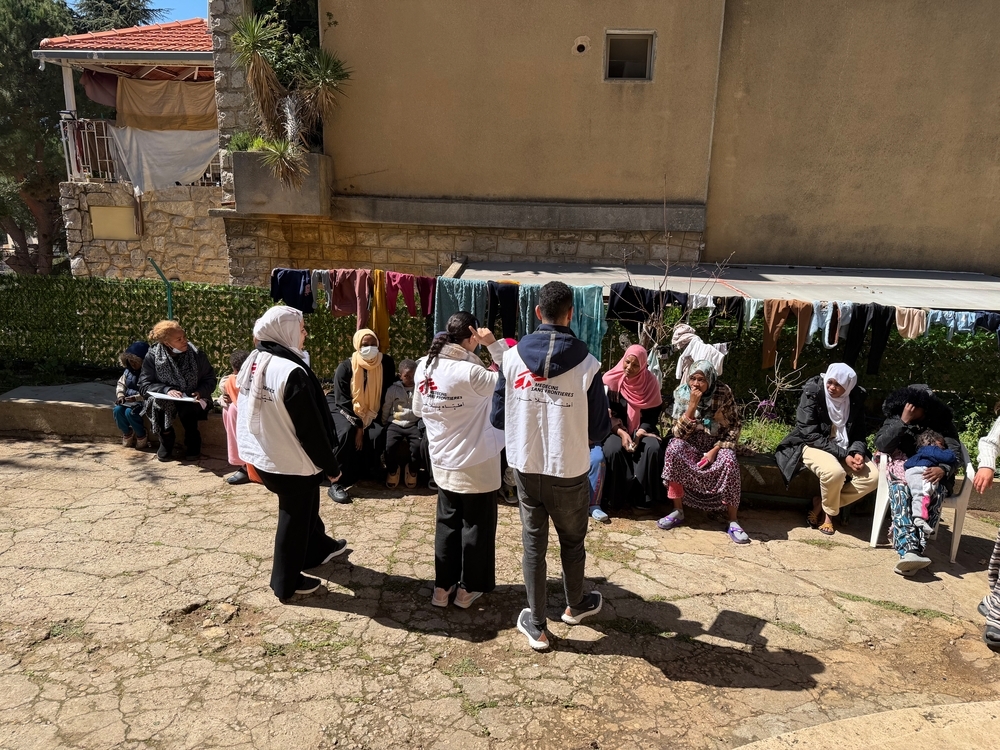
Providing care under attack
From March 2 up until the recent temporary ceasefire, the World Health Organization reported near-daily attacks on healthcare, with a total of 147. These attacks damaged hospitals and left over 100 health workers dead and 233 injured. In some cases, teams were
struck in repeated attacks on the same locations while responding to injured patients. At least six hospitals were forced to close, while many others sustained damage.
At Nabatiyeh governmental hospital, just hours after speaking with a paramedic, Ahmad Zreik, a physician, received the body of his colleague, who had been killed.
“We spent the morning outside together, just chatting,” says Zreik, who works at the hospital. “Then he left to respond to an emergency. He suffered severe trauma and was killed as a result. We had just seen him that very morning; we had just spent time together. Imagine, you see someone and everything is perfectly normal, until suddenly it isn’t. He was a paramedic. He left and never came back. He returned in body, but without his soul.”
Hospitals supported by MSF in Sour and Nabatiyeh sustained some damage due to nearby strikes. In Sour, medical staff in Hiram hospital were wounded by shattering glass; at the Lebanese Italian hospital, bombings in the vicinity damaged medical equipment including kidney dialysis machines; and medical staff in Jabel Amel hospital reinforced windows after they were shattered by the force of nearby blasts.
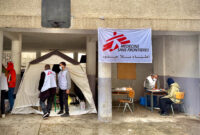
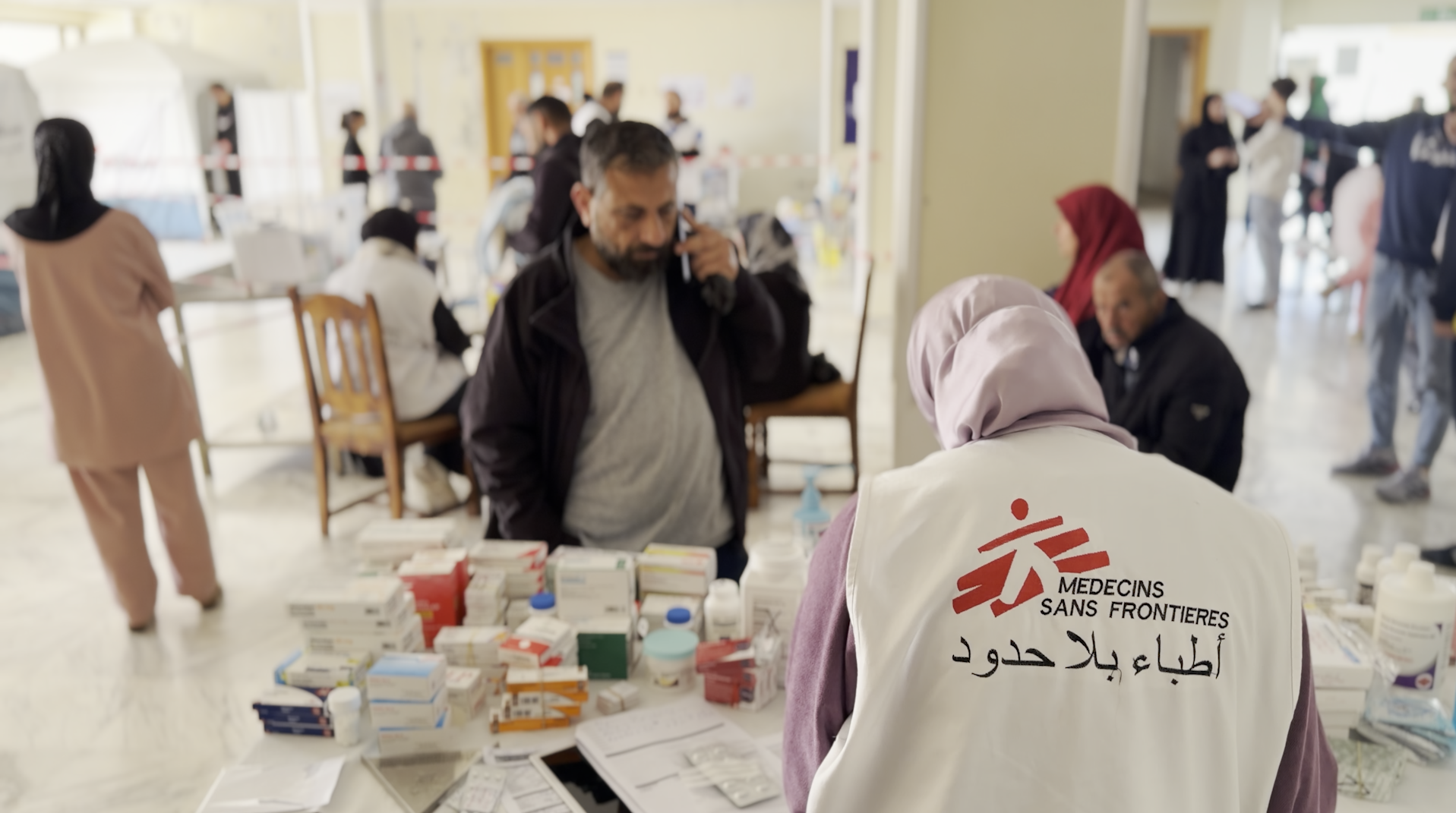
The temporary ceasefire remains fragile. Healthcare workers in hospitals are trying to rest as well as prepare in case hostilities resume. MSF continue to support facilities including Jabal Amel, Lebanese Italian, Nabatiyeh governmental, Najdeh al Shaabiyeh, Rafik Hariri and Baalbek governmental hospitals, among others, providing donations as well as trauma and emergency care.