South Sudan: Forgotten between borders
Internationally renowned photographer Nicolò Filippo Rosso documents the critical needs of displaced people in South Sudan.
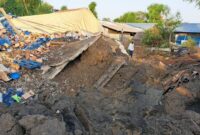
Barely a decade after gaining independence, the world’s youngest nation continues to face overlapping crises including conflict, violence, insecurity and limited access to healthcare. For nearly three years now, the war in neighbouring Sudan has unleashed yet another emergency: hundreds of thousands of people have fled to South Sudan, a country unprepared to absorb such an influx.
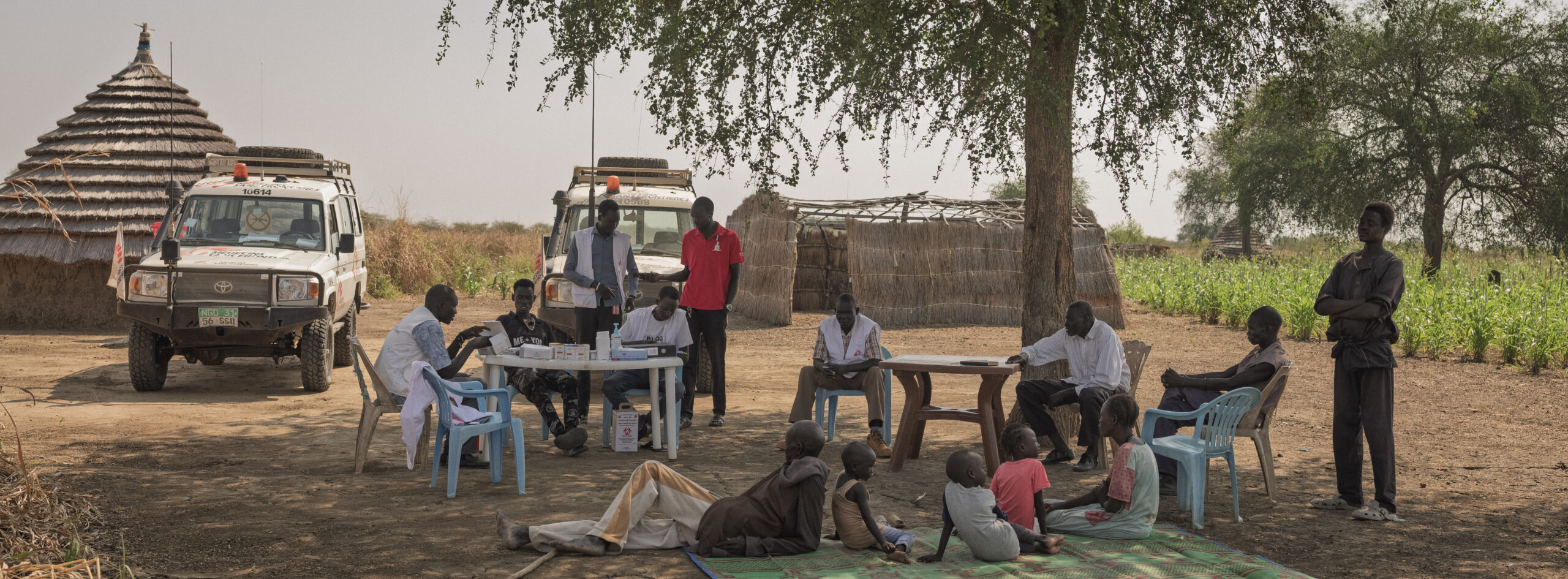
Doctors Without Borders/Médecins Sans Frontières (MSF) has collaborated with Nicolò Filippo Rosso, an internationally renowned photographer, to document this crisis. Rosso travelled to meet communities living close to the border between South Sudan and Sudan, a context largely overlooked by major Canadian media outlets.
An improvised escape route for people fleeing Sudan
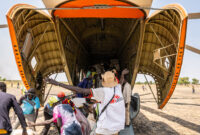
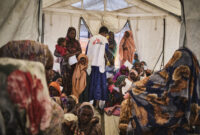
After landing in Juba, the capital of South Sudan, Rosso travelled to Abyei Special Administrative Area, a territory long disputed between Sudan and South Sudan. For years, it has been hosting internally displaced people fleeing violence in other states, but the outbreak of the war in Sudan has pushed the situation to a critical level.
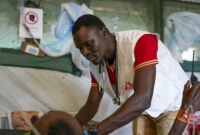
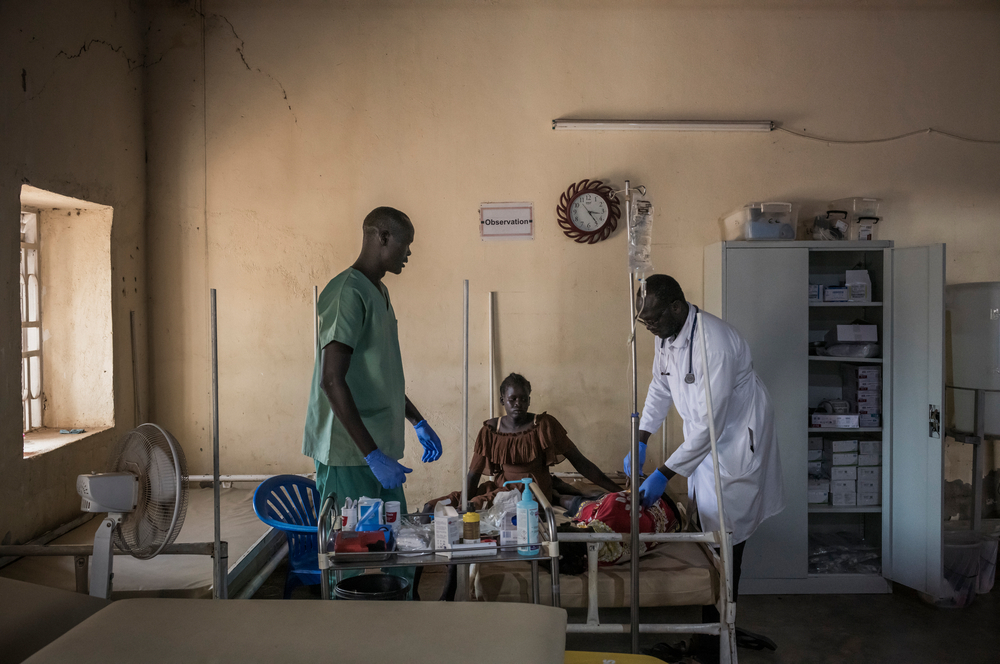
“What really struck me in Abyei was the number of injuries,” says Rosso. “I saw people with gunshot wounds and severe burns arriving at the hospital. I couldn’t help but wonder what was happening back home for those who stayed, and the conditions they were living in.”
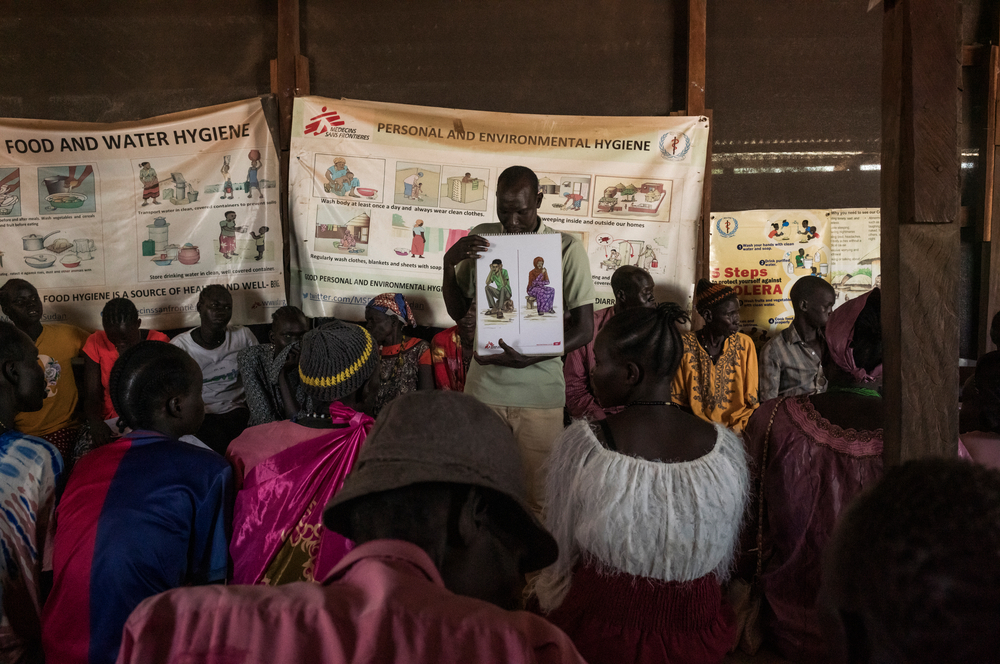
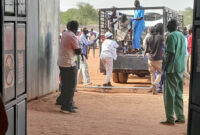
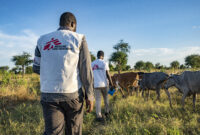
As the war in Sudan pushes deeper into Darfur and the Kordofan states, Abyei has become an improvised escape route. Many civilians arrive on foot, not only from Sudan but also from other South Sudanese states affected by years of violence and displacement. These movements place immense pressure on health facilities that were never designed to cope with such a massive and sustained influx of displaced people.
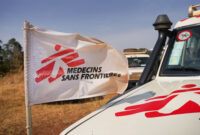
MSF’s Ameth Bek hospital, the only functioning hospital care facility in the region, is increasingly overwhelmed by patients. Teams are focusing particularly on emergency services, including surgery, as well as on inpatient care and midwifery. Between January and September 2025, MSF provided surgical care to 1,240 patients, including people with violence-related injuries.
“It’s great to see MSF working because the impact is immediate and tangible. You can actually see change happening: someone is sick and hours later you already see them recovering. Everything you document reflects that transformation.”
Nicolò Filippo Rosso, photographer
Providing comprehensive care to uprooted families
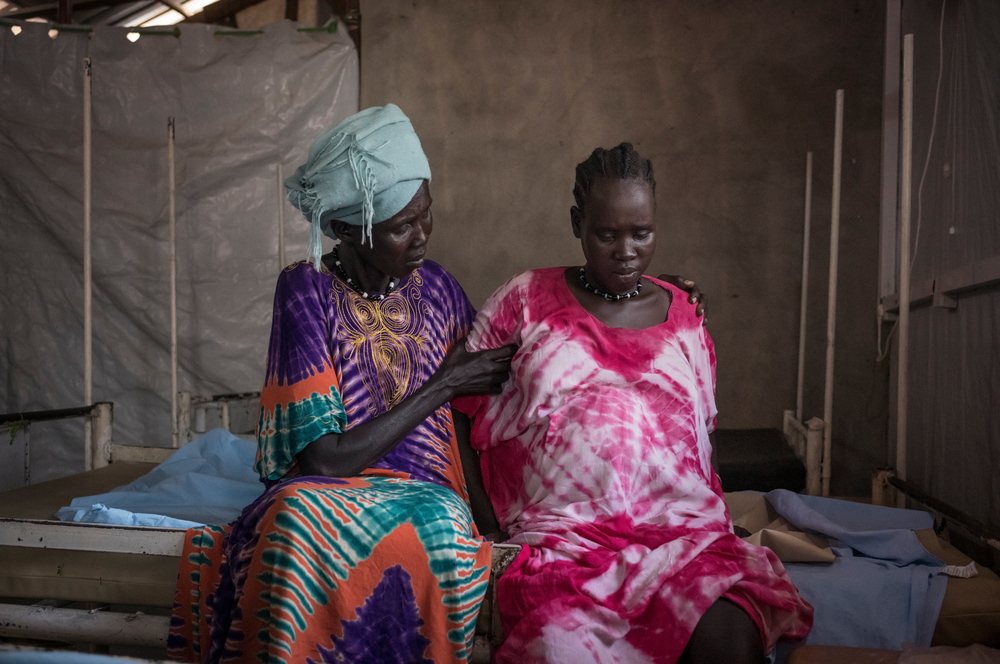
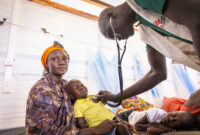
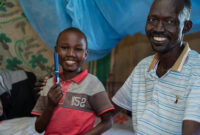
After several days in Abyei, Nicolò travelled further south, to Mayen-Abun. There, displacement has taken a different form but is no less urgent: families have been repeatedly forced to flee their homes by long-standing conflicts, including cattle raiding, land-use disputes, intercommunal violence and climate-related crises. In the MSF supported hospital, teams focus on providing comprehensive care, from outpatient consultations to emergency and maternity care.
“I had the chance to accompany Abuk throughout her delivery, from the moment she was admitted until the birth of her baby,” says Rosso. “Births are always very emotional moments and mothers are generally quite open to being accompanied by a camera. It was a very intimate moment and I even got a high-five after she made her final push.”
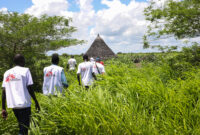
In rural communities outside Mayen-Abun, access to basic healthcare is extremely limited. Clinics are few, distances between settlements are long, and many families must walk for hours to reach the nearest health post. As in Abyei, MSF works closely with communities. By bringing basic but essential care closer to where people live, we are helping bridge the gap created by the country’s collapsing health system and the insecurity that prevents families from reaching hospitals.
A fallen health system amid funding cuts and structural weakness
All these difficulties are exacerbated by a wider crisis. Despite being the world’s youngest country, South Sudan remains heavily dependent on humanitarian assistance: more than 80 per cent of essential health services are run with the support of NGOs.
But now, some organizations are forced to close their doors due to massive cuts in international assistance, while others must suspend or stop their operations due to insecurity and violent attacks. This is causing the entire health system to collapse. For patients receiving care from MSF, this is a painful reality: once they leave our facilities, there are few, if any, other places to turn for help and support.
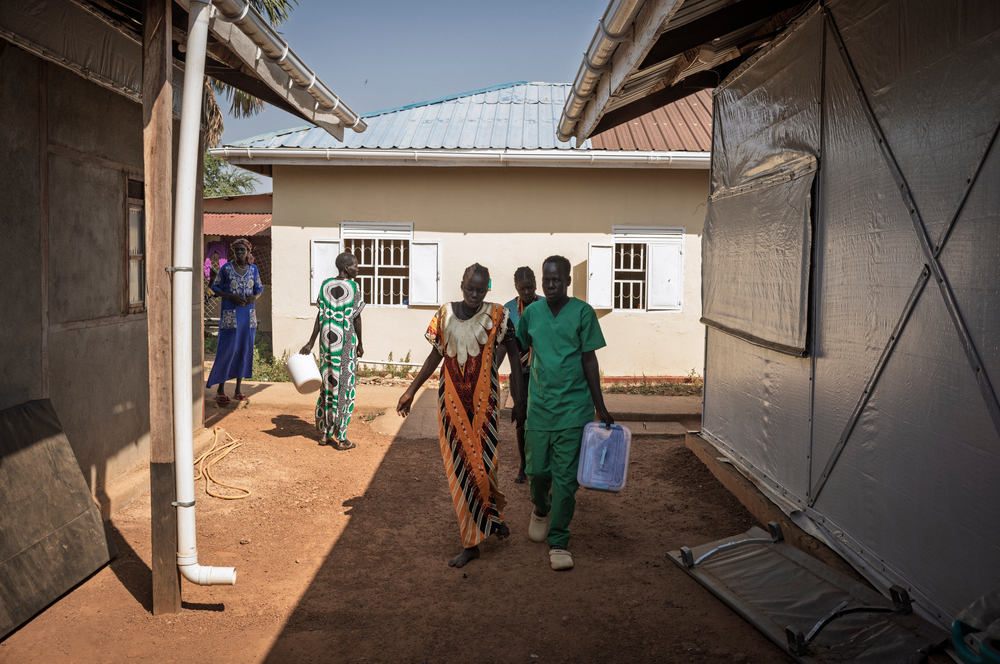
Across all MSF project locations, teams are witnessing the devastating impact of a chronically under-resourced system. Many primary healthcare facilities are non-functional, essential medicines are frequently unavailable, staff salaries are delayed and hospitals are neglected. As a result, people in need of lifesaving surgery or emergency maternal care have extremely limited options.
These pressures are unfolding alongside overlapping crises, including violence, mass displacement, flooding and disease outbreaks, all of which further strain an already fragile system.
In 2025 alone, MSF opened 12 emergency projects in response to cholera outbreaks, malaria peaks, flooding and displacement linked to violence, more than double the number of emergency responses launched in 2024.
MSF continues to call for the crisis in South Sudan to be prioritized in the international agenda, with a coordinated response to support people facing multiple overlapping crises across the country.