South Sudan: Looming government offensive forces people, MSF to evacuate the town of Akobo within 72 hours
Evacuation orders halt healthcare and malaria preparations, leaving thousands of people without medical assistance.
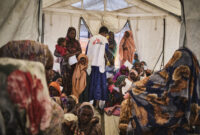
Hundreds of thousands of people in Akobo, Jonglei state, are facing an impossible choice as a government-forces-led offensive on the town is imminent, following evacuation orders on March 6. The number of people in the town, currently led by the opposition, includes over 17,000 who were displaced just weeks ago, in the ongoing conflict in the country. People in Akobo must now either flee without protection or remain at risk of being killed, while losing access to healthcare and other essential services.
Doctors Without Borders/Médecins Sans Frontières (MSF) calls on all parties to the conflict to protect civilians and establish safe zones for people seeking shelter, ensure secure access to humanitarian assistance and essential medical care and protect health facilities.
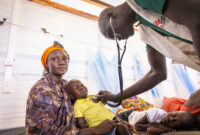
As a result of the evacuation, critical preparations for the upcoming malaria season, as well as basic healthcare and vaccination support for both local and displaced communities, have been brought to an abrupt halt.
“The consequences for people are devastating,” says Christophe Garnier, MSF country director in South Sudan. “Families are being forced to abandon their homes repeatedly, with no safe alternatives. For many who have already been displaced multiple times, there is simply nowhere left to go.”
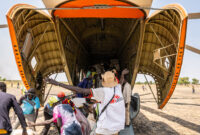
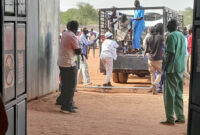
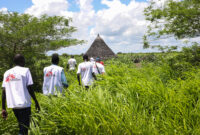
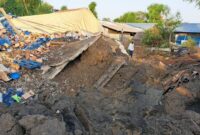
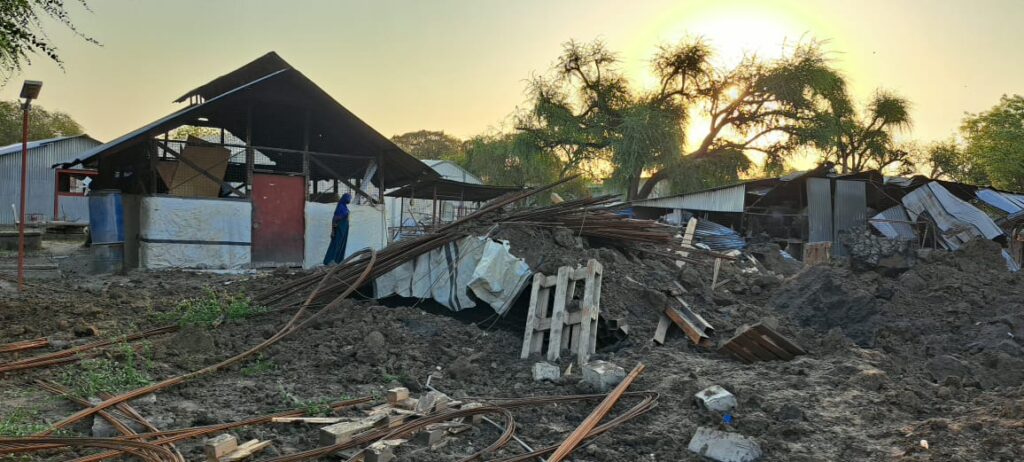
On March 7, the MSF team in Akobo was forced to evacuate, leaving hundreds of thousands of people without access to essential general healthcare services. Some people have already begun fleeing to Ethiopia or to the nearby village of Meer. Akobo hospital, where MSF supports the pediatric ward, was looted, as well as our pharmacy, resulting in the loss of all medicines and medical supplies. Our office was also ransacked by unknown assailants over the weekend.
“We are deeply concerned that Akobo hospital could be hit, depriving communities of the medical care they need to survive.”
Christophe Garnier, MSF country director
This comes amid a disturbing pattern of attacks on health facilities in South Sudan. Since March 2025, there have been 12 attacks on MSF staff and supported hospitals, forcing the closure of three hospitals. In the first two months of 2026, there have already been three attacks.
The evacuation occurs amid escalating violence in Jonglei state. On Jan. 29, MSF teams left Pieri due to armed clashes. On Feb. 3, airstrikes in Lankien killed civilians and destroyed the last functioning hospital in the town. Nearly 280,000 people have been displaced, including 80,000 in Akobo County.
Akobo is an isolated area with very limited healthcare facilities and MSF is one of the few organizations providing care to an estimated 112,000 people. Having only regained access three weeks ago after government-imposed restrictions blocked flights and medical supplies, MSF teams had just begun assessing newly displaced communities and launching an emergency malaria response, only to be forced out again.
“These repeated government-imposed evacuations leave people trapped, exposed to violence and cut off from humanitarian aid,” says Garnier. “We are deeply concerned that Akobo hospital could be hit, depriving communities of the medical care they need to survive.”
Newly displaced communities, exhausted and traumatized by recent clashes, are living in makeshift shelters without safe drinking water, adequate food or proper protection. Cut off from essential care, they are stripped of dignity and left exposed to disease, hunger and the constant threat of extreme violence.
Repeated evacuations, attacks on health workers and medical facilities and government-imposed restrictions are severely limiting MSF’s ability to respond, at a time when people in South Sudan need more help, not less.