War in Ukraine
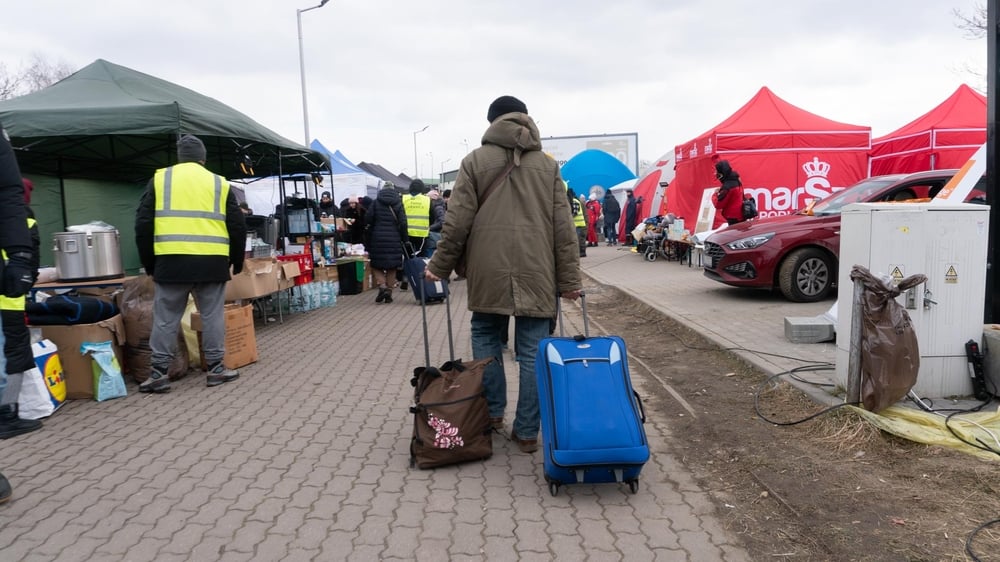
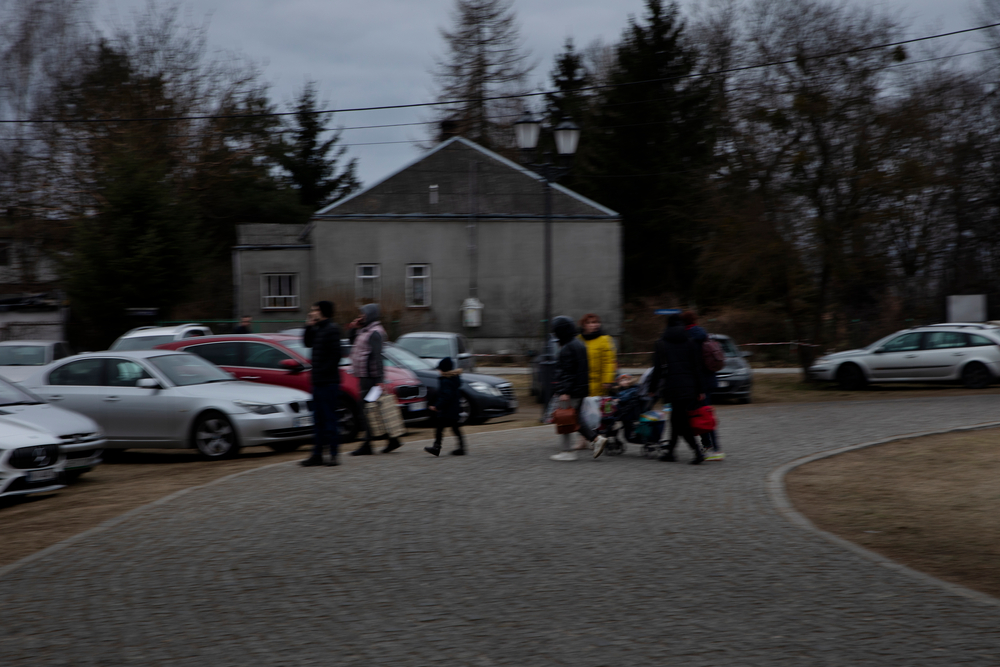
More than 6.5 million refugees have fled to neighbouring countries
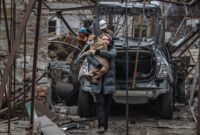
Fighting in Ukraine has killed or injured thousands of people, while more than six million refugees have fled to neighbouring countries.
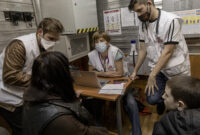
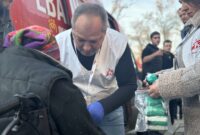
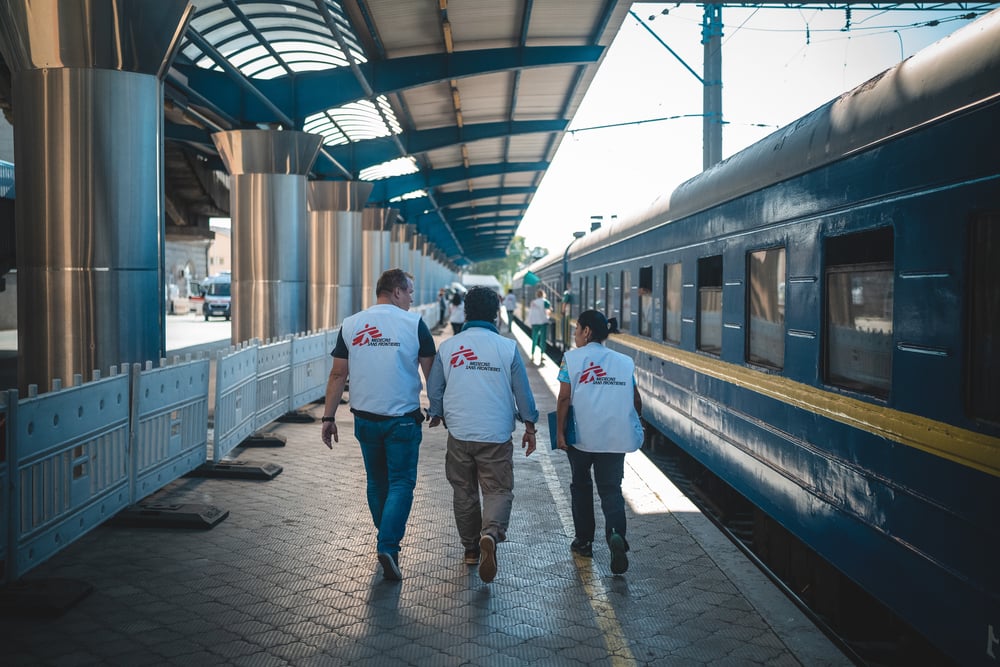
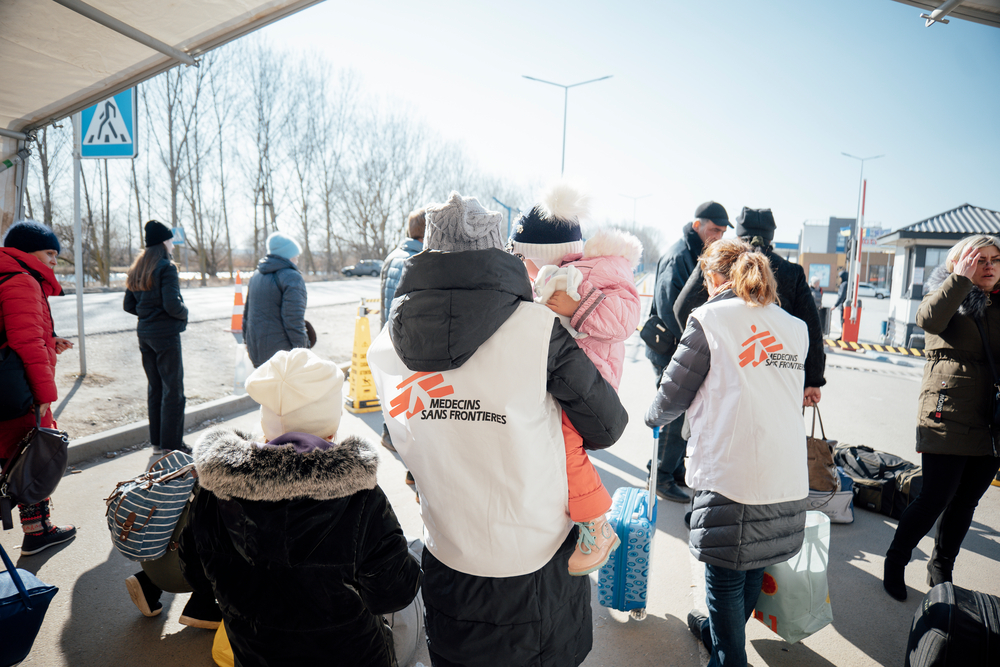
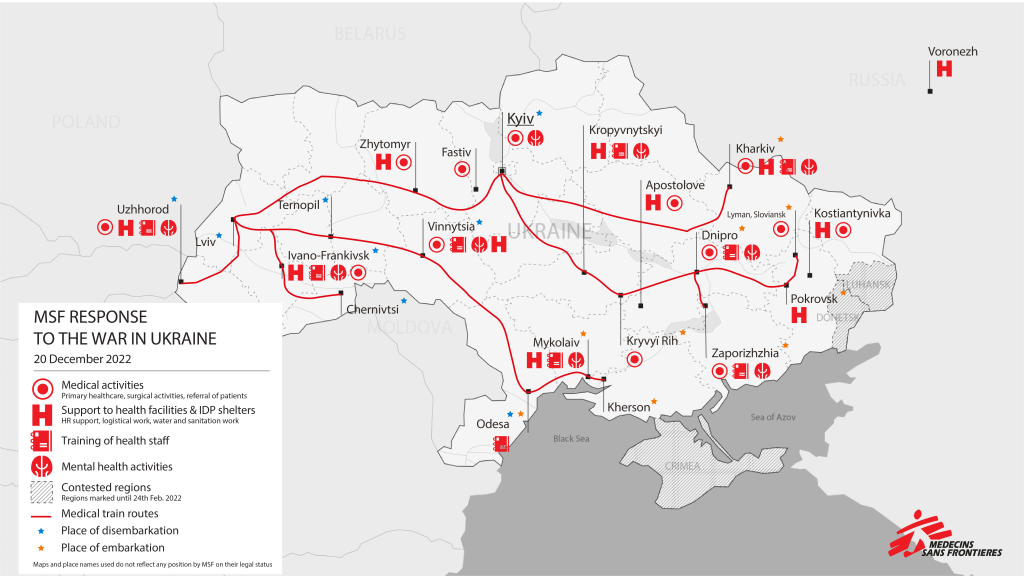
Doctors Without Borders/Médecins Sans Frontières (MSF) teams are working to deliver emergency medical assistance to people still in Ukraine, as well as those now seeking safety in neighbouring countries.
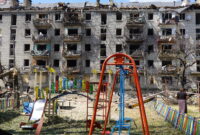
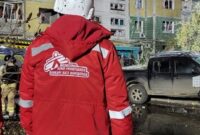
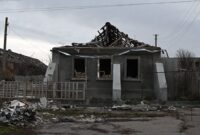
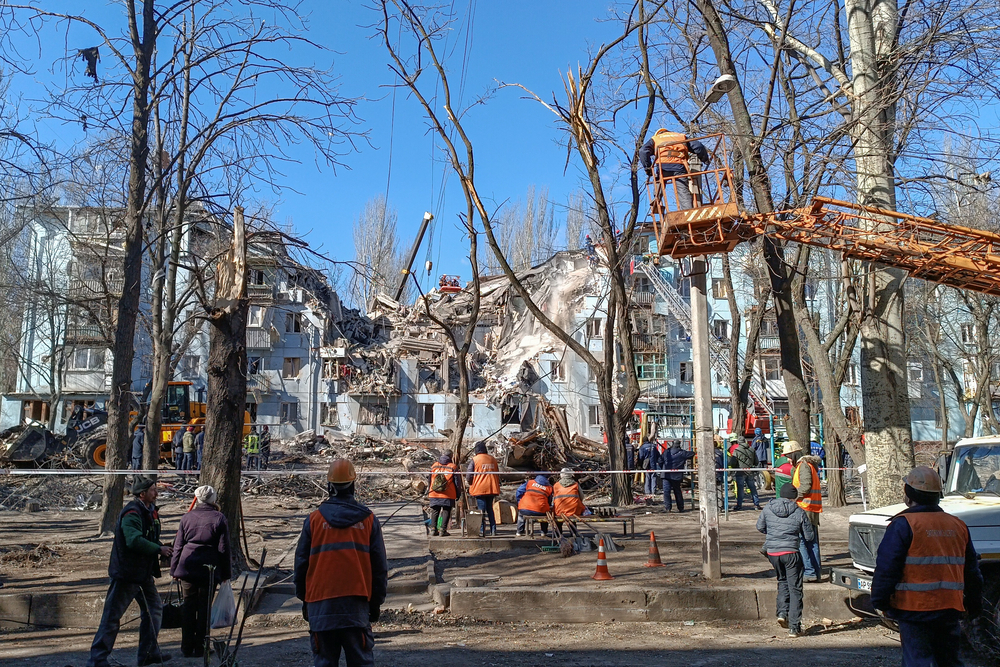
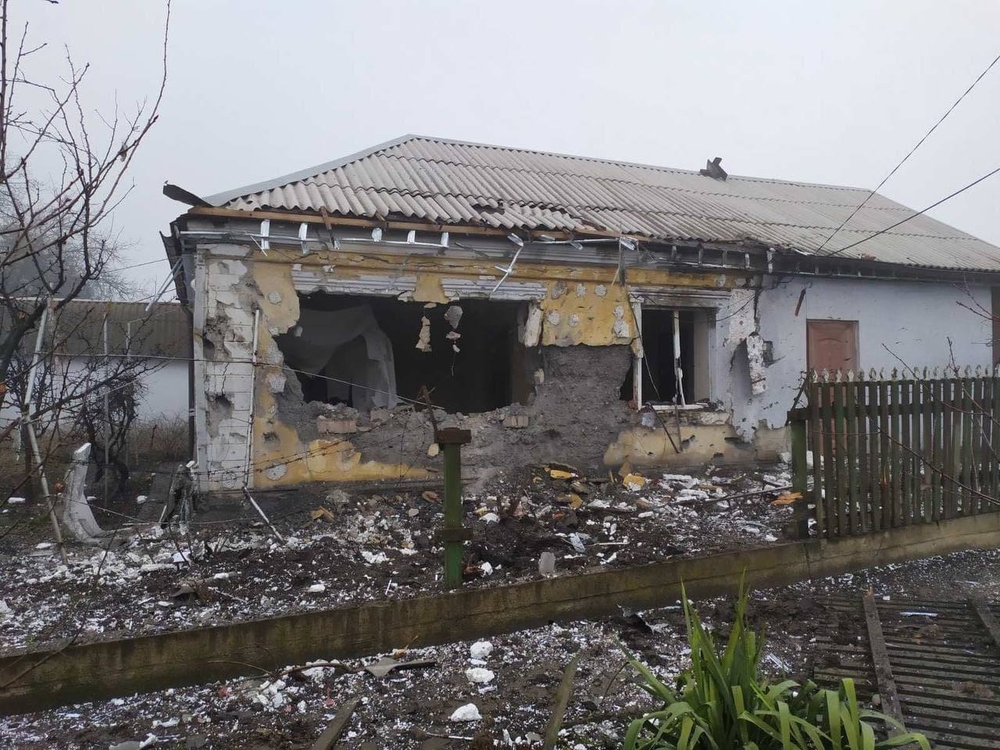
The situation is extremely volatile and we have witnessed the devastating impact of the conflict on civilians. Nowhere in Ukraine is safe.
Many hospitals are facing dramatic shortages of medical supplies – from surgical tools to drugs for chronic diseases – while mental health consequences of shock and suffering have been enormous, even in areas spared the brunt of the violence. And, every day, more people face a terrible choice: stay in an unsafe place or flee home into uncertainty.
How is MSF supporting people’s medical needs?
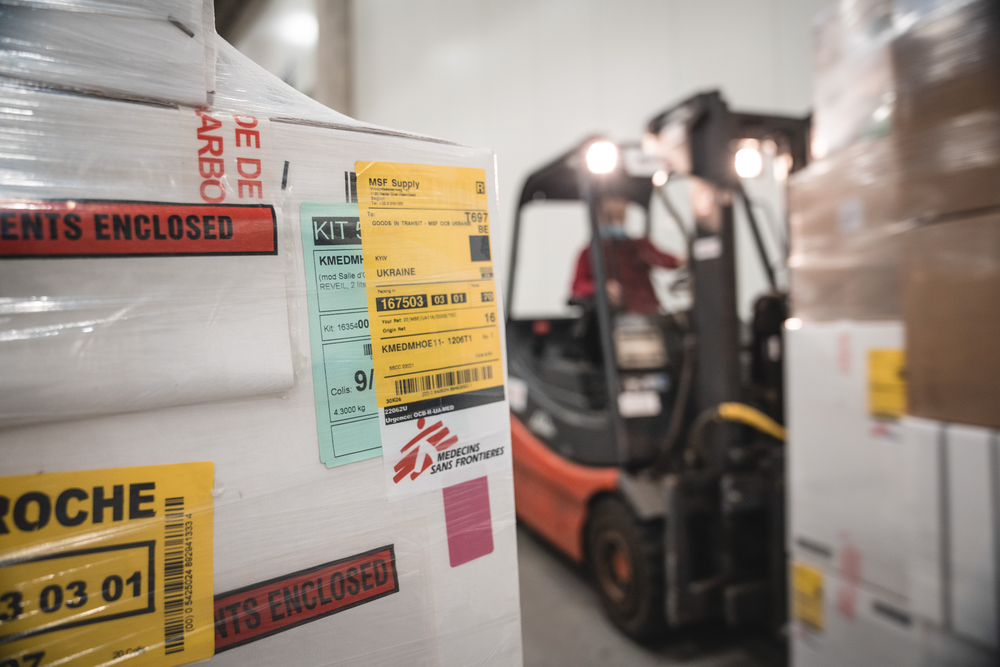
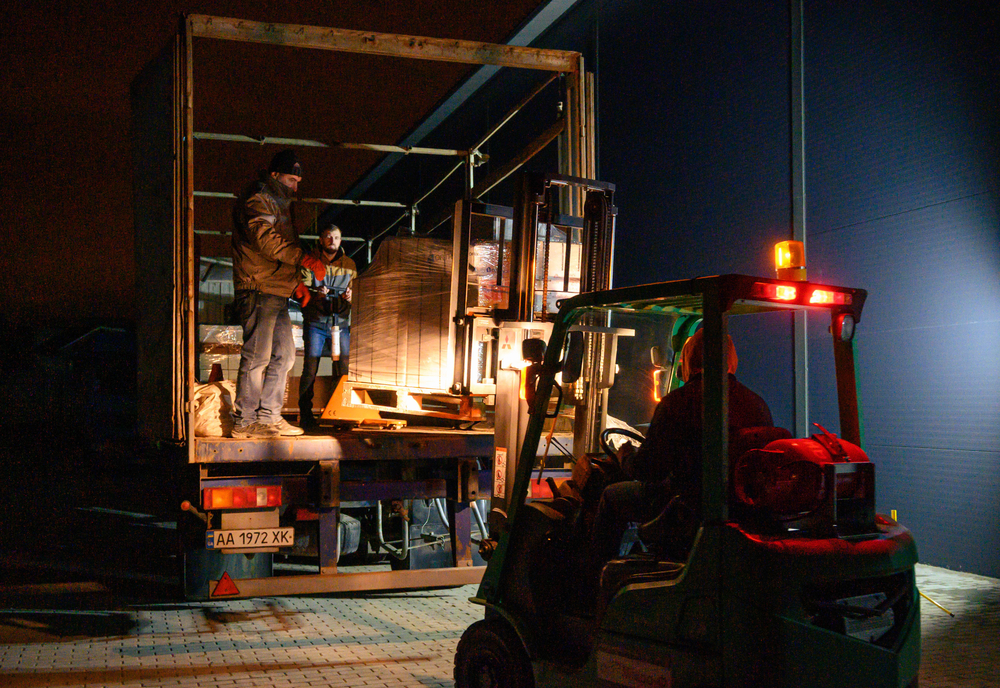
MSF medical teams are experts at working in conflict zones and complex humanitarian crises, while our experienced logistics staff and robust supply chains ensure critical supplies reach where they are needed.
In near-frontline areas, our teams continue to:
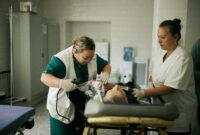
- support Ministry of Health (MoH) hospitals; sometimes this includes sending medical teams to make up for increasingly limited MoH staff in hospitals’ emergency departments, operating rooms and intensive care units;
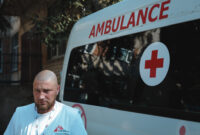
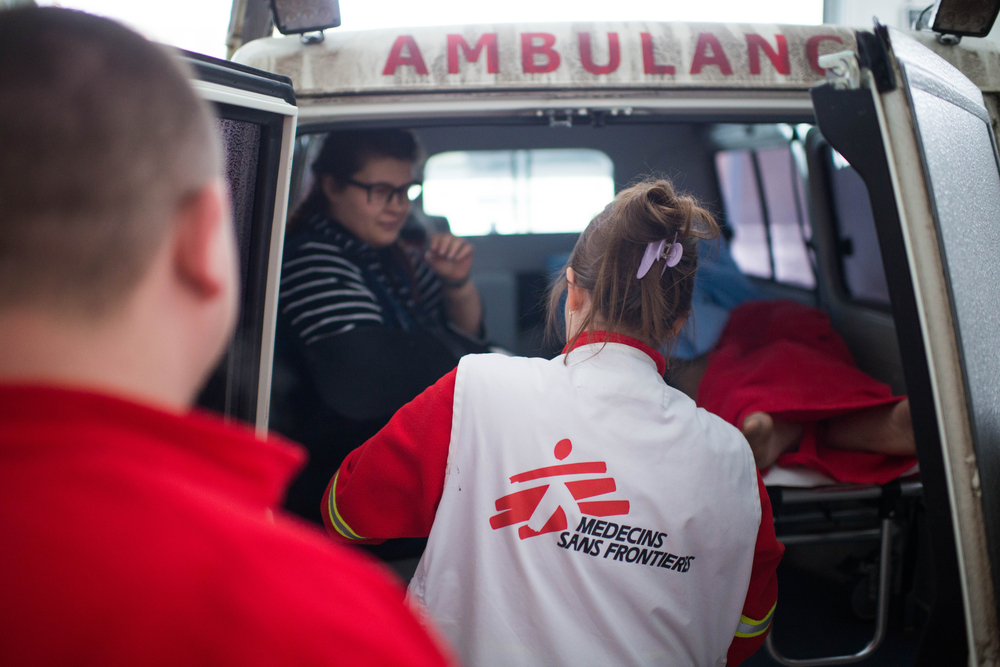
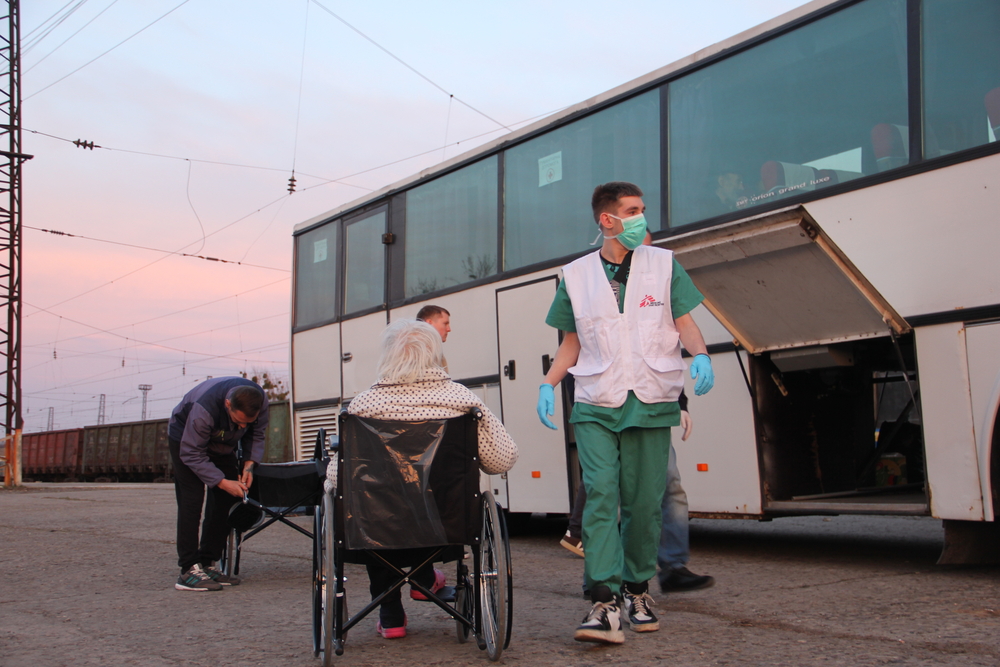
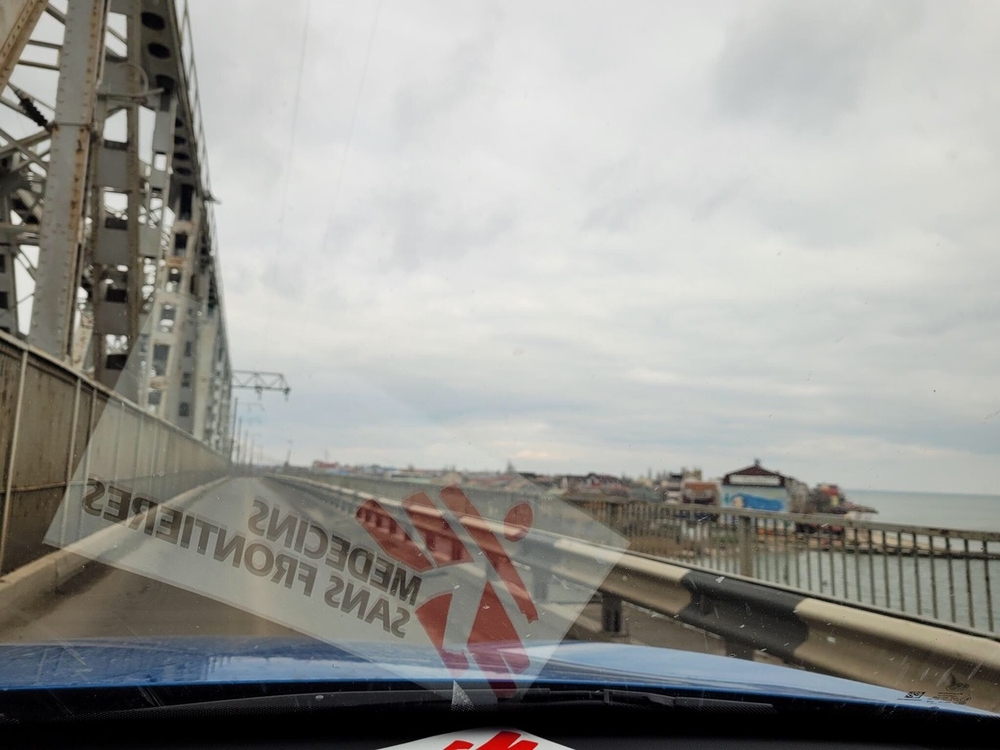
- run a much-needed ambulance referral service;
- provide mobile clinics in remote communities with a focus on treating chronic conditions, assist the MoH with active tuberculosis screening.
Away from the frontlines, MSF teams:
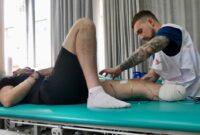
- help the MoH to develop more rapid rehabilitation systems for patients in the immediate post-surgery phase of major trauma wounds;
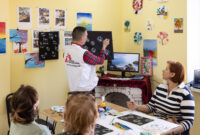
- provide mental health care and treatment for post-traumatic stress disorders.
- in Kyiv region: provide energy and heating support, offer water and sanitation services, distribute essential relief items, provide medical assessments and referrals, deliver mental health and psychosocial support, and support with health promotion.
We are working to focus our humanitarian response where people’s needs are greatest and where our emergency medical work can have the most impact.
How can I help MSF?
Your donation helps MSF teams deliver essential medical care to families forced to flee violence and instability.
GIVE NOWWhat’s happening in Ukraine?
Today, nowhere in Ukraine is safe. Increasing attacks have disrupted nearly every facet of daily life, particularly in the winter as many cope with extremely low temperatures without electricity, heat or running water. As the war continues, the number of people in need of long-term rehabilitative care, including physiotherapy for amputations and treatment for post-traumatic stress disorder (PTSD), is growing, and putting additional strain on the health system.
Displacement
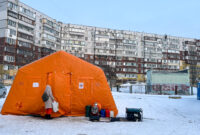
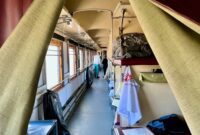
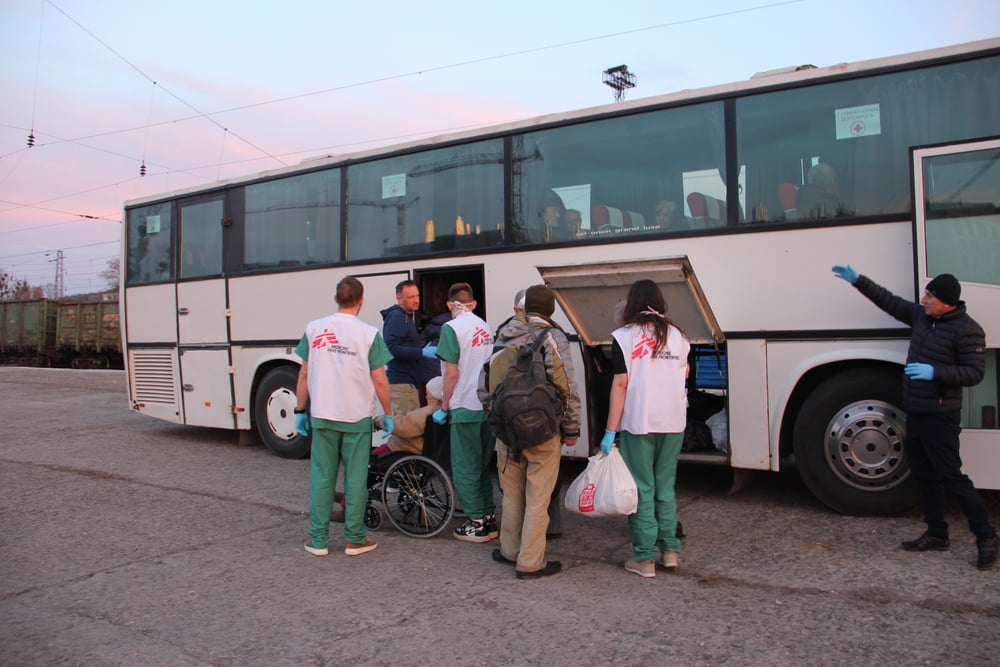
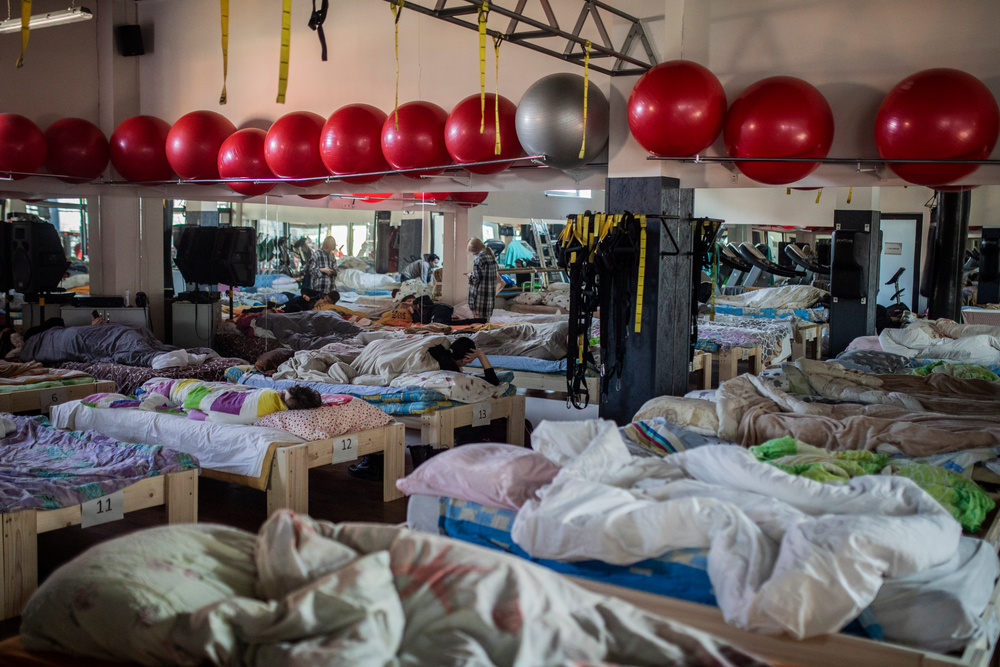
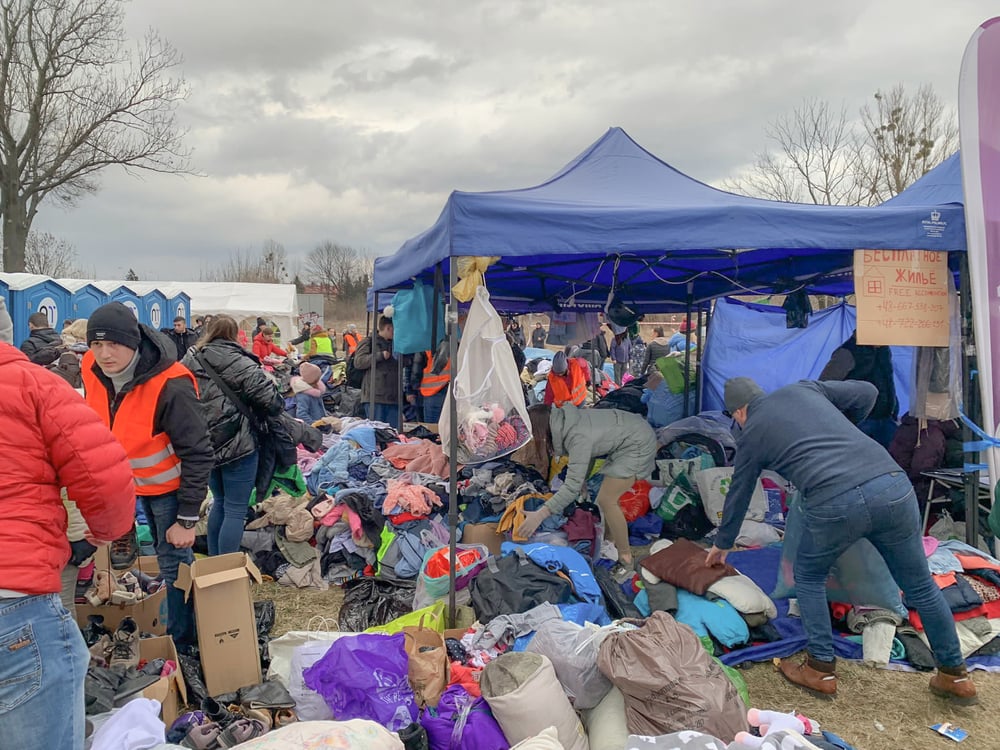
As of January 2026, 4.6 million people are internally displaced in Ukraine, with many living in crowded shelters. Last year alone, more than 190,000 people fled to safer areas within the country, and the Dnipropetrovsk region became a critical transit hub amid mass flight from frontline areas. Conditions inside shelters for displaced people vary: Some are in tents while others have been set up in former schools, train stations, and other public spaces.
Damage to health infrastructure
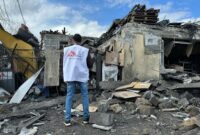
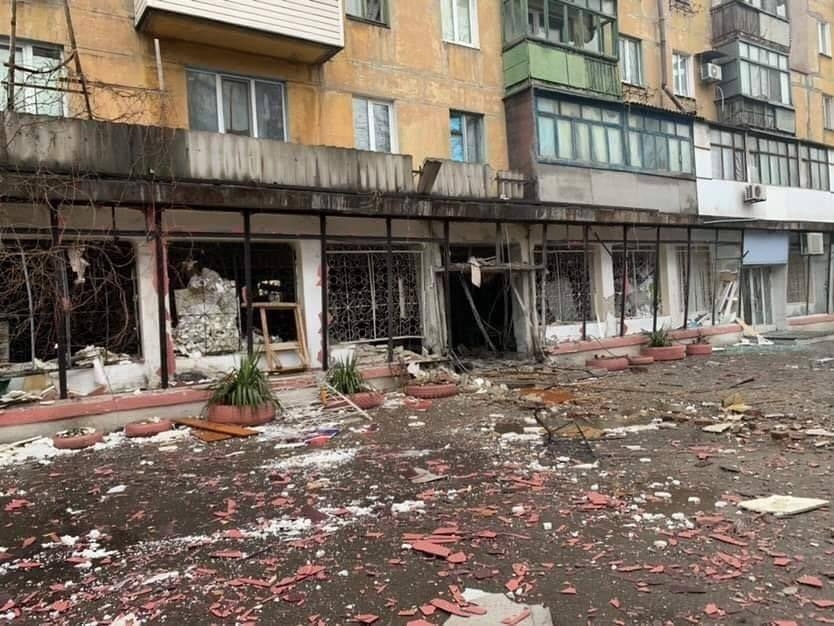
Since MSF teams refurbished hospitals in Dnipro and the Dnipropetrovsk and Donetsk regions in 2022 — enabling them to keep functioning as the war advanced — many of these hospitals have been damaged, destroyed or abandoned. The proximity of shelling and bombardment has forced MSF teams to leave six hospitals and ambulance bases, and withdraw from a number of mobile clinic locations — disrupting people’s access to care and putting further strain on functioning facilities as needs continue to rise.
Health impacts of war
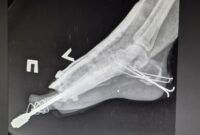
In addition to leaving thousands of people with war wounds, including amputations, the war has disrupted the continuity of care for patients with chronic conditions such as diabetes and hypertension. It has also increased the need for mental health support as people grapple with ongoing violence and isolation.
Near the frontlines in the east and south, where the health care system is struggling to cope with both emergency and longer-term medical needs caused by the war, MSF is seeing patients with traumatic injuries from shelling, landmines as well as bomb and shrapnel blasts. At the same time, Ukraine’s weakened health system is also coping with emerging and exacerbated needs, including care for patients with non-communicable diseases and people injured in car accidents.
MSF’s work in numbers

outpatient consultations

referrals by ambulance

emergency room admissions

physiotherapy sessions

mental health consultations
surgeries
patients admitted to the ICU
MSF’s response in-depth
Emergency and intensive care
In Kherson, MSF helped set up an emergency department in one of the city’s major hospitals, where our teams also support the intensive care unit and traumatology surgery. In 2025, our teams admitted 12,904 patients to the emergency department, carried out 1,053 surgeries and admitted 552 patients to the ICU.
Ambulance referrals
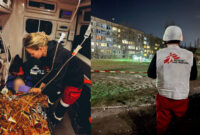
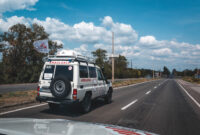
Near the frontlines in the east and south, MSF ambulance teams evacuate patients from overburdened facilities and transport them to hospitals in safer areas in central and western Ukraine for appropriate and specialized care. MSF currently has seven ambulances and one dedicated four-patient ambulance truck, which are used to refer patients in critical condition. In 2025, our ambulances referred 10,722 patients, 60 percent of whom had war-related injuries.
Early rehabilitation
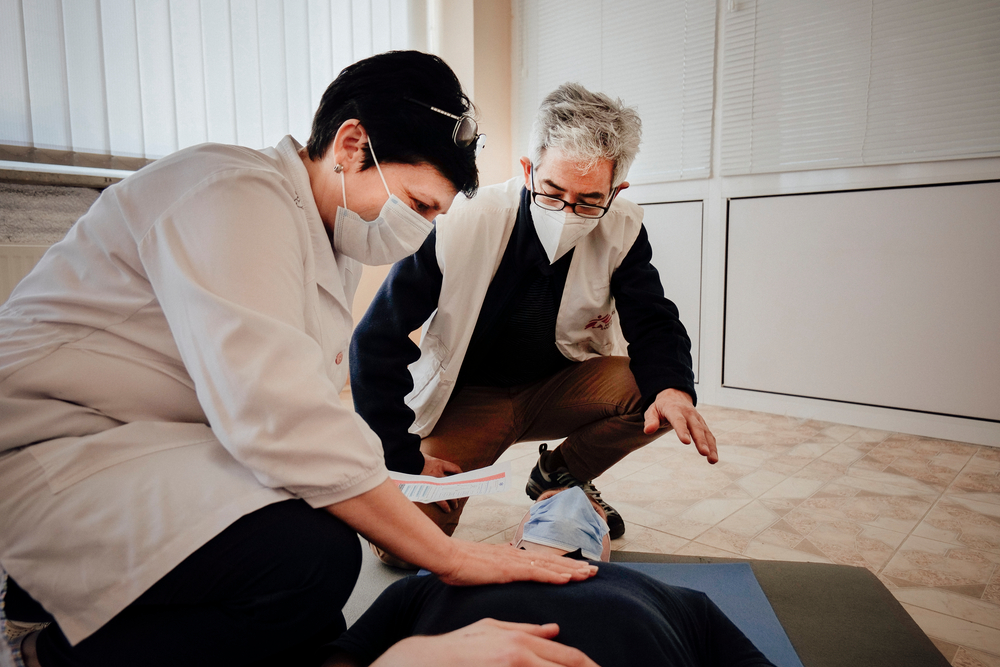
MSF teams are supporting seriously injured post-surgery patients with specialized physiotherapy and post-operative care, as well as psychological support. Our teams also provide training on early rehabilitation. Without adequate, early post-surgery care, patients’ recovery may remain incomplete or take much longer than necessary, with potentially severe complications affecting their lives and weighing on an overwhelmed system.
In Cherkasy, MSF runs an early rehabilitation project for war-wounded patients. Our teams in Ministry of Health hospitals provide timely, immediate support to post-operative patients with war-related trauma using a multidisciplinary approach entailing physiotherapy, psychological support, and nursing care. In 2025, MSF provided comprehensive early rehabilitation care to 795 patients.
Support for post-traumatic stress disorder (PTSD)
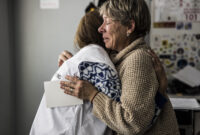
In 2023, MSF started providing specialized psychotherapeutic services for people experiencing war-related PTSD symptoms in Vinnytsia. Here we offer psychological sessions for both patients and members of their support network at a custom designed mental health center. Our specialists provide patients with techniques to help reduce and prevent the worsening of symptoms, improve coping skills and interpersonal functionality, and decrease the consequences of traumatic stress. A specially trained mental health promotion team conducts community engagement through partnerships with key organizations and other health providers in Vinnytsia. We also train health staff including doctors, psychologists and social workers from partner organizations.
Mobile clinics
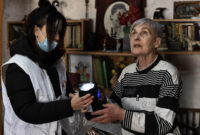
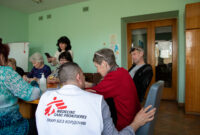
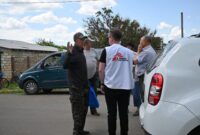
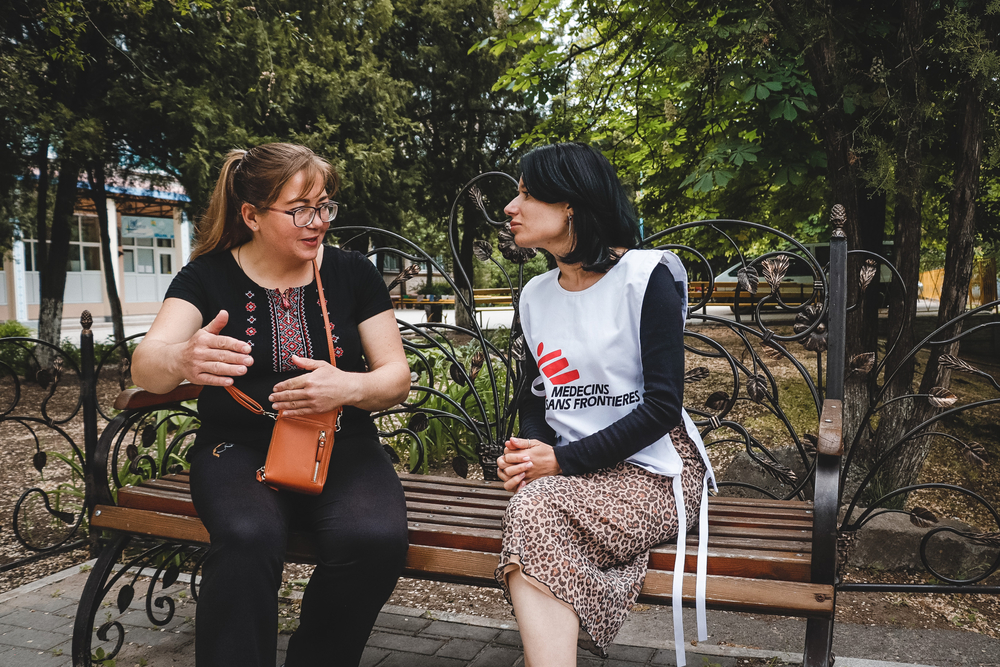
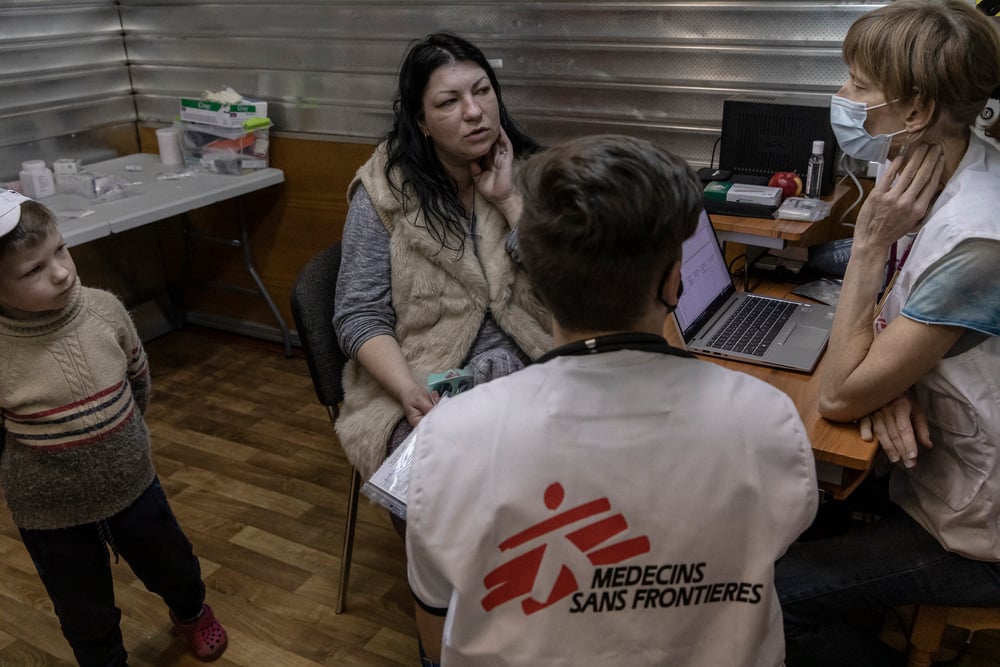
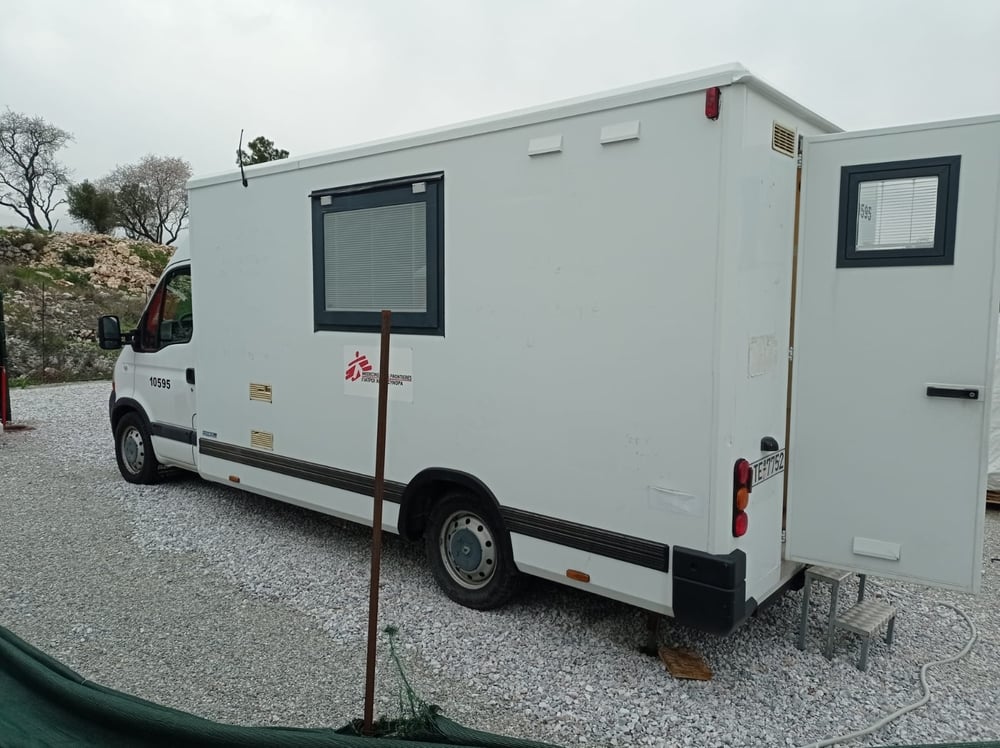
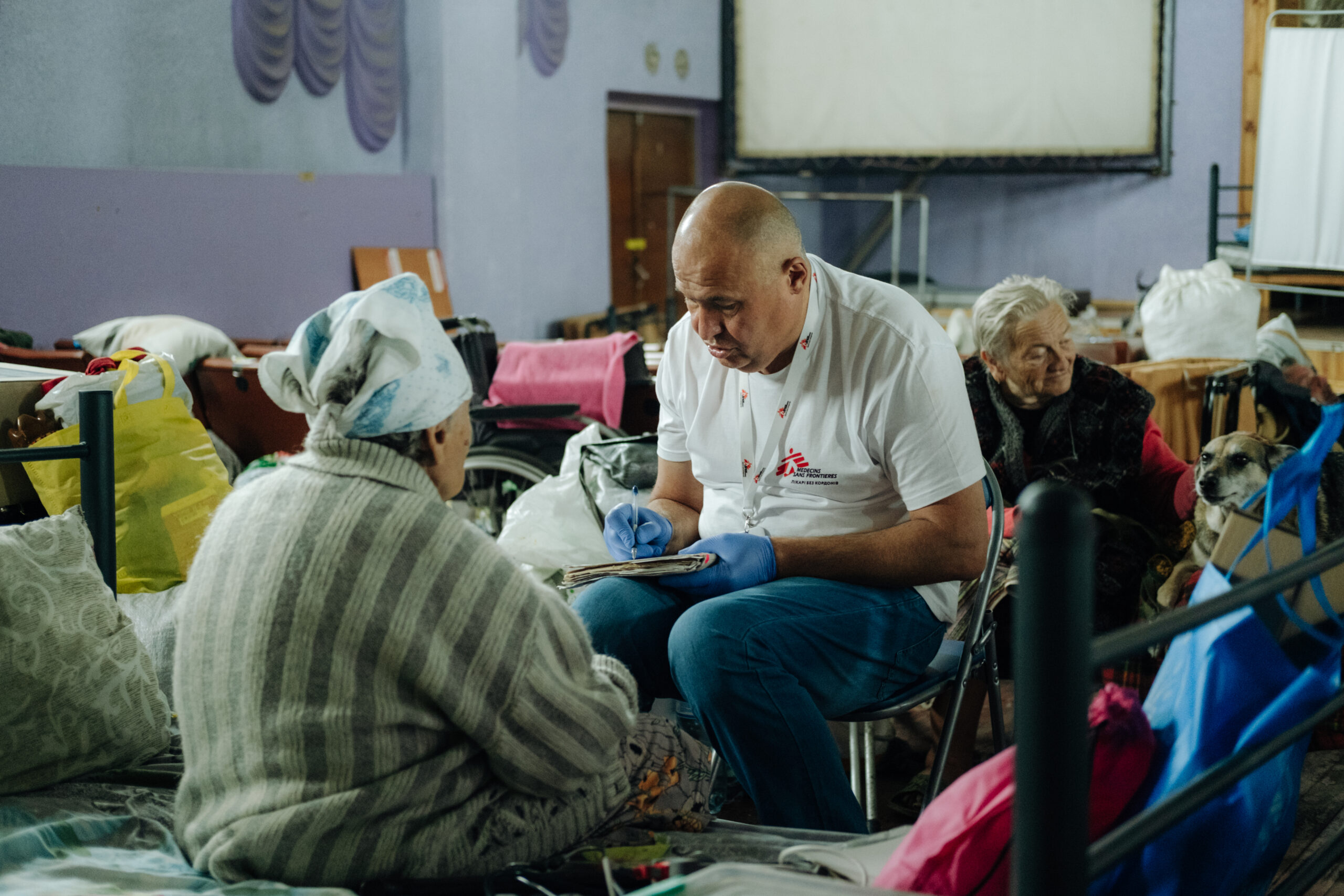
MSF mobile clinic teams comprising doctors, nurses, clinical officers, psychologists and health promoters are supporting communities by providing medical consultations, psychological support, medical and non-medical donations as well as training for health care staff to improve the capacity of the health care system.
Between 2022 and 2025, MSF teams in Ukraine provided more than 370,000 outpatient consultations through mobile clinics serving shelters and communities with limited or no access to health care, often due to the destruction of medical facilities and pharmacies in the war.
TB treatment
Prior to the full-scale invasion, MSF ran a significant program supporting the Ministry of Health in tuberculosis (TB) care, as Ukraine has had a high burden of the disease for years. TB can make a remarkable resurgence in war zones, as the violence can break down TB control programs. MSF has been conducting active screenings in parts of Kherson and Mykolaiv regions, where there has been a high historical incidence of TB and where active screening programs have collapsed or ceased to function.