Hope is stronger than despair
Canadians often ask us what difference hope can make in a world that feels increasingly fractured. Through the Hope Is Radical campaign, we’re sharing the testimonies of health workers who refuse to surrender to despair. Their daily work is the answer.
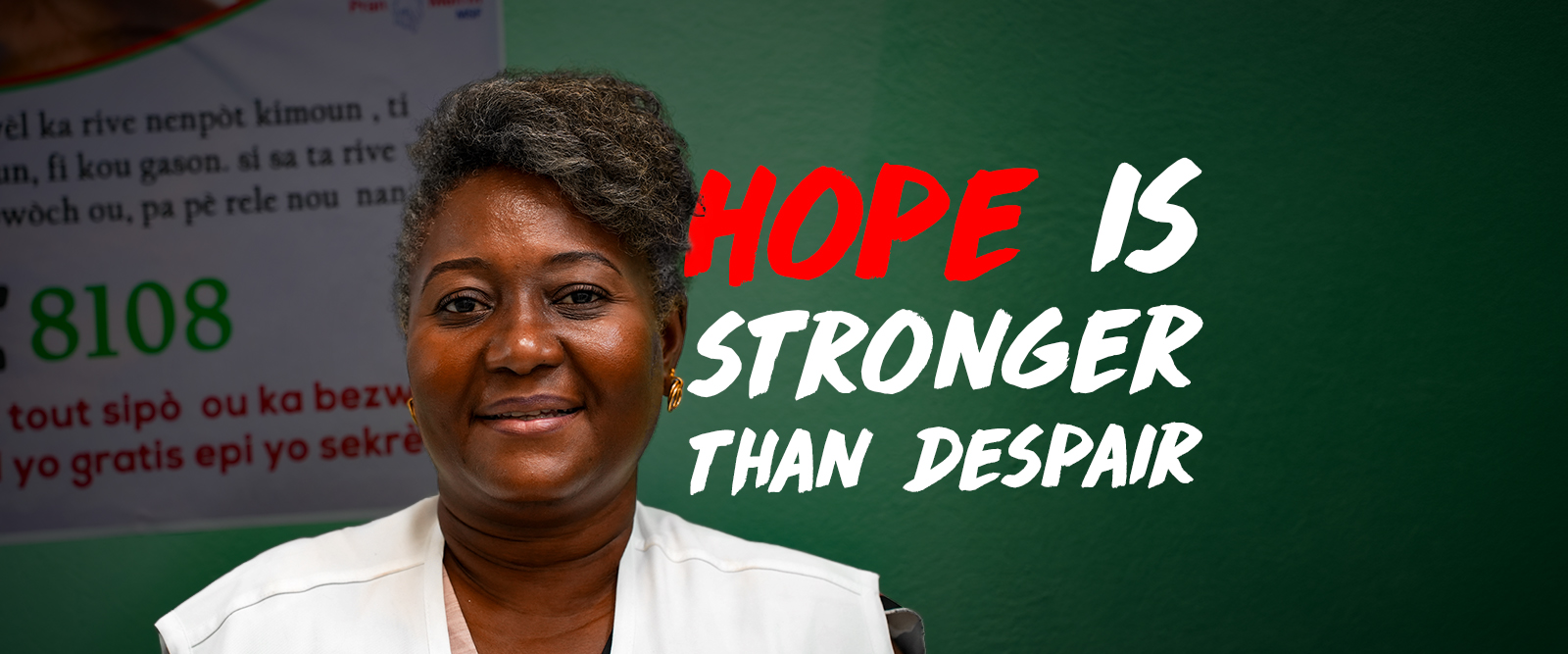
In Haiti, hope is carried by people like Naomie Lubin, a midwife with Doctors Without Borders/Médecins Sans Frontières (MSF). She works with women at the Isaïe Jeanty maternity, located in one of the most dangerous neighbourhoods of Port-au-Prince.
I work in the same maternity ward where I was born. It’s now located at the intersection of Cité Soleil’s most dangerous neighborhoods. Every day, I must pass through dangerous areas. Heavily armed people move about freely. I hear gunshots. Explosions. But I’ve gotten used to it.
I reach the maternity feeling energized, excited to see the women, the children, my colleagues and to give them everything I have.
The violence here is terrifying. But hope keeps us going. It’s a form of resilience. A profound conviction that if we keep giving the best of ourselves, we’ll make a difference in people’s lives, particularly for women. Whenever possible, I try to give the best version of myself.
At any given moment, we receive people who have suffered physical or sexual violence. Injured women. Young girls. Schoolgirls with early pregnancies. Sex workers. Women who have had unsafe abortions and arrive with complications. We offer emergency care, a safe place to give birth, reproductive health support and medical abortion services — even though all of this can sometimes be risky.
Many of the women we receive here and at the maternity ward have been beaten, abused, humiliated and had their most fundamental rights trampled upon.
They arrive carrying this burden. It’s like a heavy package they’re carrying and trying to put down. I try to offer survivors comfort and dignity through simple gestures, like touching them or placing a hand on their shoulder.
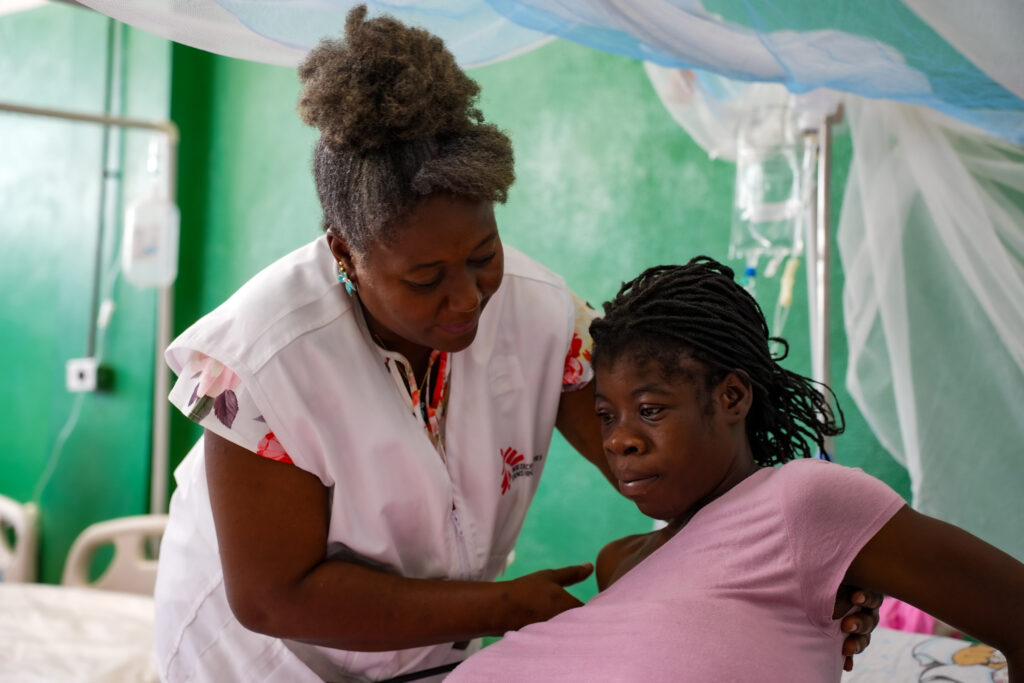
A young woman with a wound at the base of her neck comes to the maternity. I ask her questions to understand what has happened to her; she tells me she’s been hit by a projectile. I touch it, and I feel a foreign object still there. I said, “Oh…” and I put my hand on her shoulder. She starts crying and screaming, screaming. I don’t know what this woman is going through; I know nothing about her, but I am, perhaps the first person to speak to her like this, to touch her humbly. I put my hand on her shoulder to tell her I’m sorry for what has happened to her. That it’s not her fault, that she shouldn’t have had to go through this. It’s a very beautiful gesture to let someone know they’re not alone, that there’s hope.
It’s the same for the women who arrive here after surviving assaults. Across the street, we have a clinic called Pran Menm, which means “Take My Hand” in Creole. This clinic is for young girls and women who are survivors of sexual violence. We can’t serve them a full meal, but we can offer tea or a snack to ease their hunger somewhat. Our goal is to restore survivors’ dignity. Women can take a bath. Wash off the mud and blood. Change, receive clean clothes and sometimes shoes.
In the hardest moments, I pray in silence and hum a tune you may know:
The most important thing is to be loved
The rest doesn’t matter; the only truth is to matter to someone, no matter what happens
The level of insecurity in Haiti is alarming. It’s a really difficult environment, especially for women and young girls. But even if many people may not understand why I’m still here, someone has to stay. We have to keep going, because there will always be pregnant women, there will always be women who are injured or sick.
Governments and individuals have a duty to advocate for the situation in Haiti, because our voices are rarely heard. People must speak out against unacceptable suffering, but we must also work collectively to rebuild the country’s image. Whenever Haiti is mentioned, poverty, unsanitary conditions and crime are all that are shown. But there is also the countryside, full of streams, hills and birds. There are other kinds of riches; we are not just a poor country. We must showcase Haiti from a different perspective. We must break this cycle that imprisons us in violence.
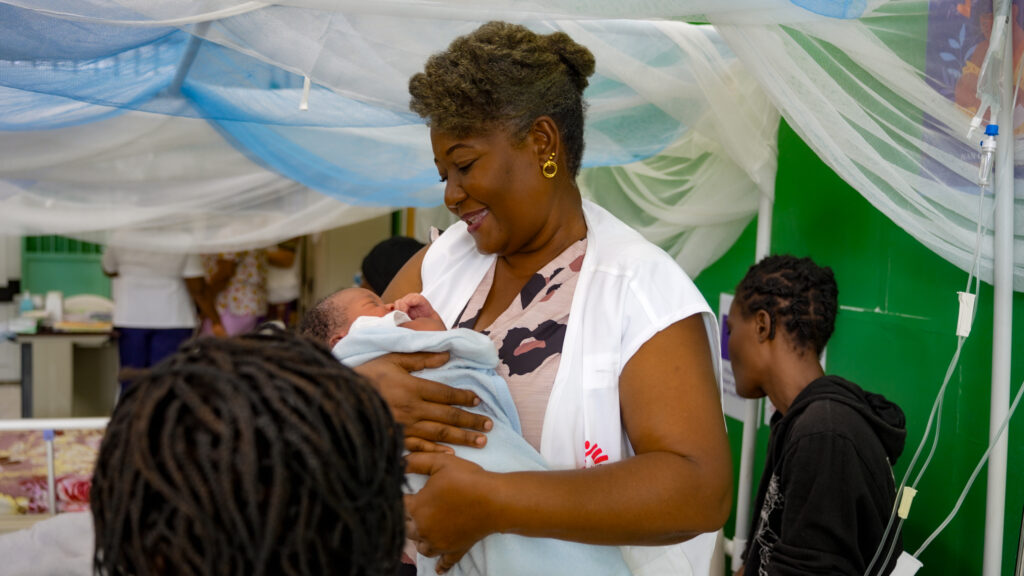
When a woman gives birth, I always tell myself that she and the child she is carrying are VIPs who must be welcomed under the best possible conditions – with great affection and love. Because there is too much violence here. Every birth is an opportunity to achieve something different. To reject the unacceptable. To open a path to the future.
I can’t say, “Today I’m going to try to convince 10 women, 15 women, that there is hope, that we must keep hope alive to see our country reborn.” So instead, I take simple actions. I sow seeds. I don’t know what will come of them, but I sow them, scattering them freely. Perhaps some will bloom and bear fruit. It is these flowers that remind me that here, hope is radical.
JOIN THE RADICAL HOPE MOVEMENT
Exclusive inspiration to fuel your hope, right to your inbox
Required fields are marked with an asterisk(*).