Ukraine: “Death and… life have become part of the same day”
Former MSF country director Ainur Absemetova reflects on resilience, trauma and life during war
Death and the celebration of life have become part of the same day — and sometimes I still don’t know how to process that.
It has been almost nine months since I stepped away from my role in Ukraine, yet I am still trying to understand how war and ordinary life coexist: How people continue living while surrounded by fear, uncertainty and loss.
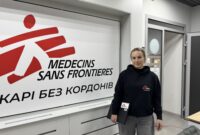
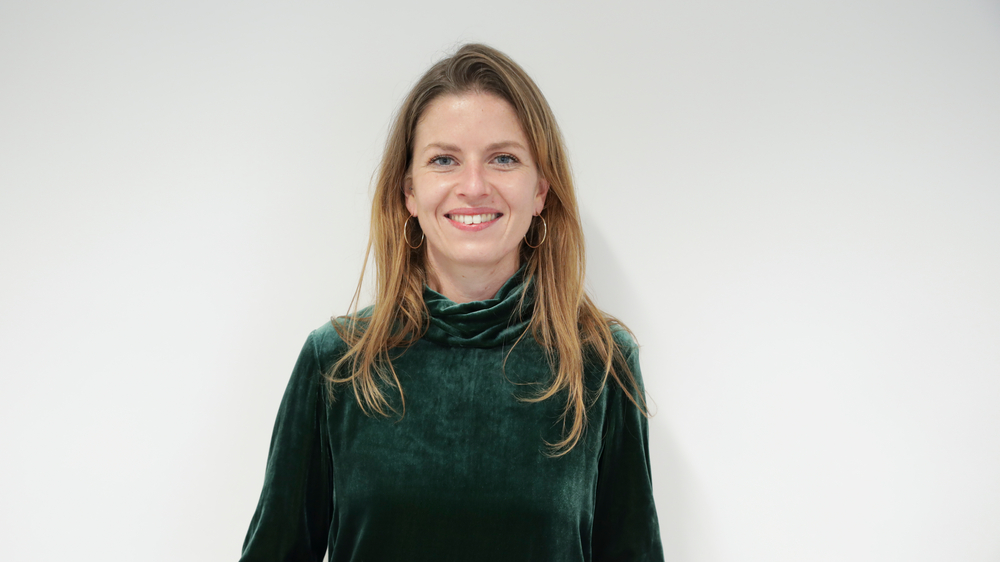
I have worked in humanitarian response for more than 25 years, including in Afghanistan, Haiti, South Sudan, Sudan and Yemen. I have been with Doctors Without Borders/Médecins Sans Frontières (MSF) since 2019 and have held various humanitarian positions in different contexts.
According to the UN Human Rights Monitoring Mission in Ukraine, 2025 became the deadliest year for civilians since 2022, with 2,514 civilians killed and 12,142 injured by conflict-related violence.
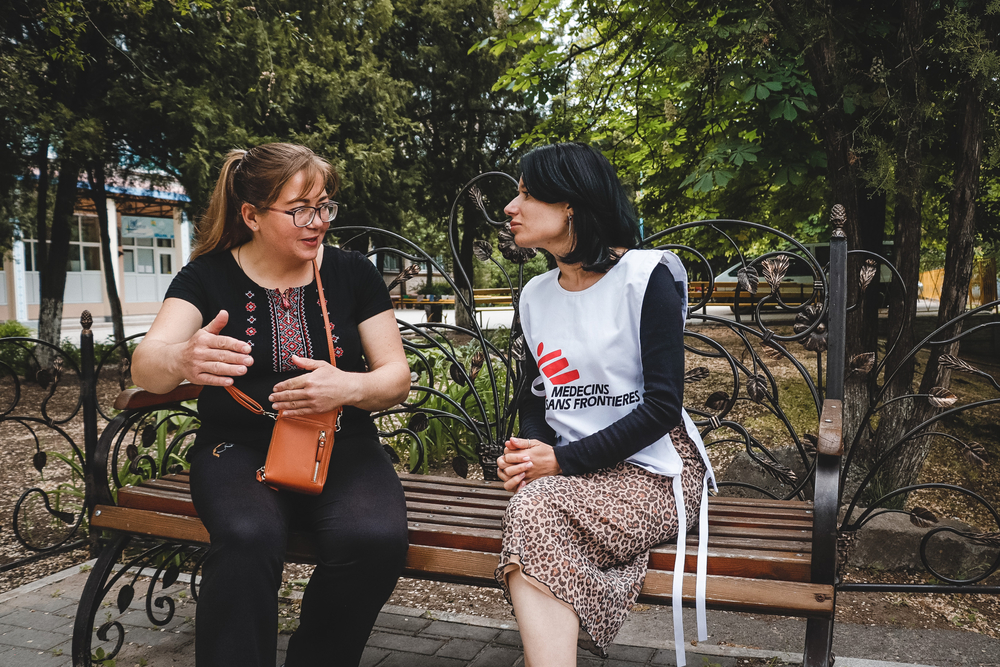
From summer 2024 to summer 2025, I served as MSF’s country director in Ukraine. I supported multiple medical and humanitarian activities, including the opening of the Vidnovlennia (Ukrainian for “Recovery”) mental health centre in Vinnytsia, which specializes in the treatment of post-traumatic stress disorder among people affected by war.
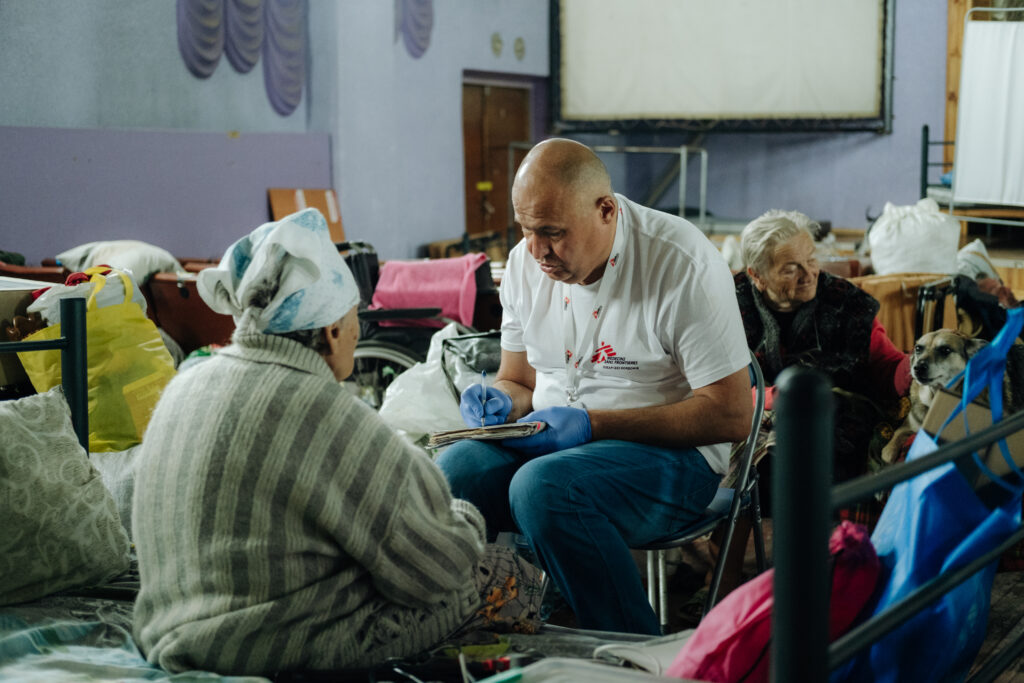
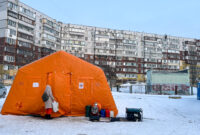
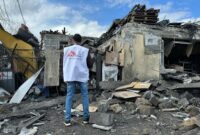
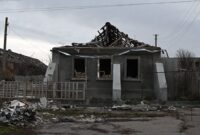
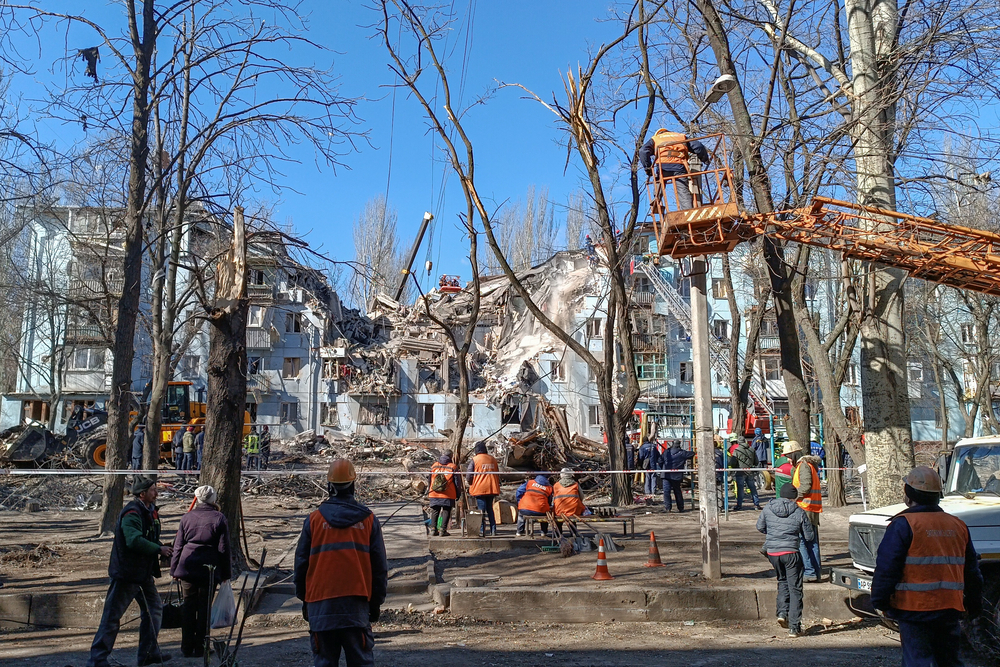
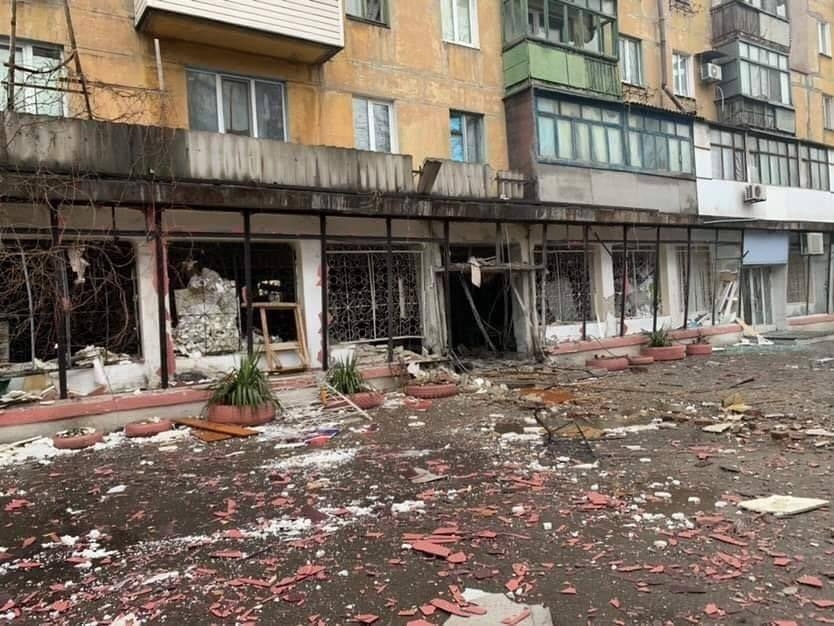
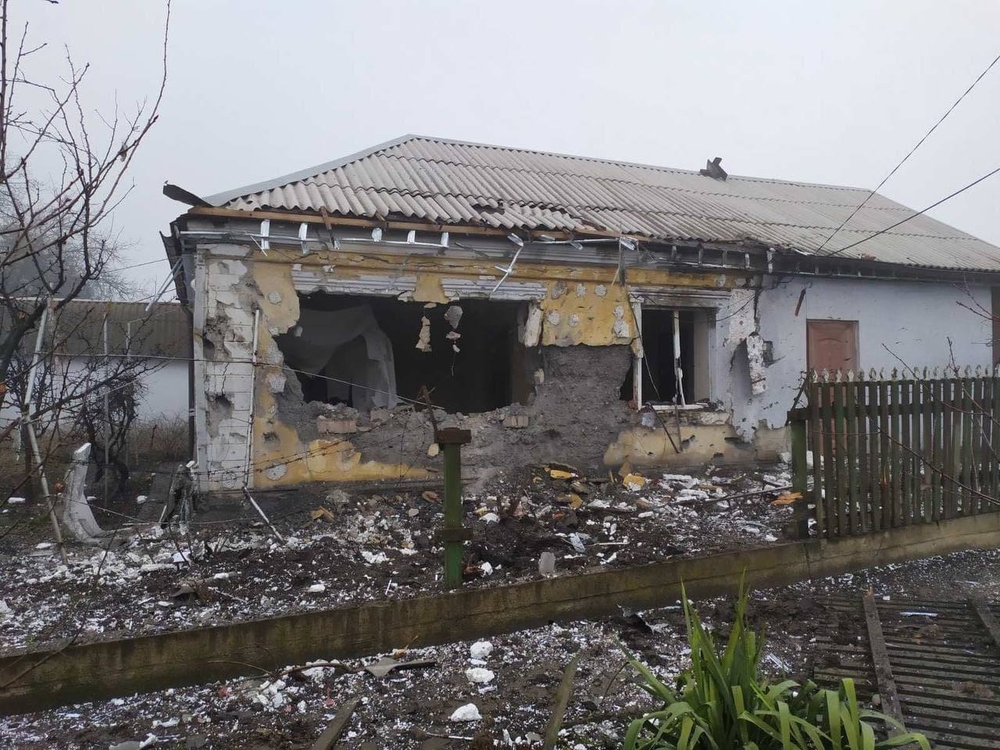
Ukraine is a vast country — the largest that lies fully within Europe — covering more than 600,000 square kilometres. The frontline stretches over 1,200 kilometres and the impact of the war reaches far beyond it. Some cities may appear calm at first glance, but air strikes and missile attacks affect the entire country. In recent years, attacks on energy infrastructure have left millions without stable electricity or heating, deepening both the humanitarian and psychological strain, particularly during winter.
According to the UN Human Rights Monitoring Mission in Ukraine, 2025 became the deadliest year for civilians since 2022, with 2,514 civilians killed and 12,142 injured by conflict-related violence. These figures reflect not only the scale of suffering but also the growing risks for people living far from the frontlines.
War leaves many wounds that are invisible… People may appear to be coping, working, laughing, yet carry deep psychological scars from bombardment, displacement, bereavement, captivity or prolonged fear.
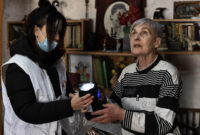
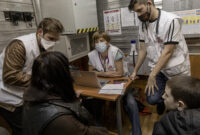
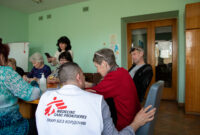
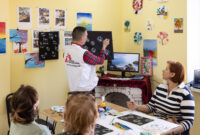
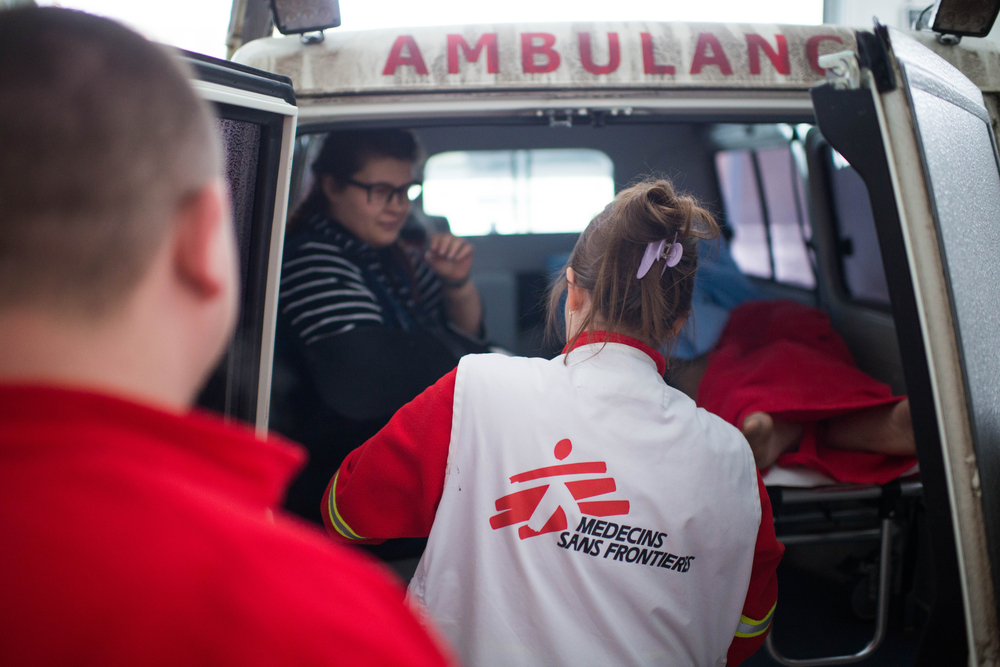
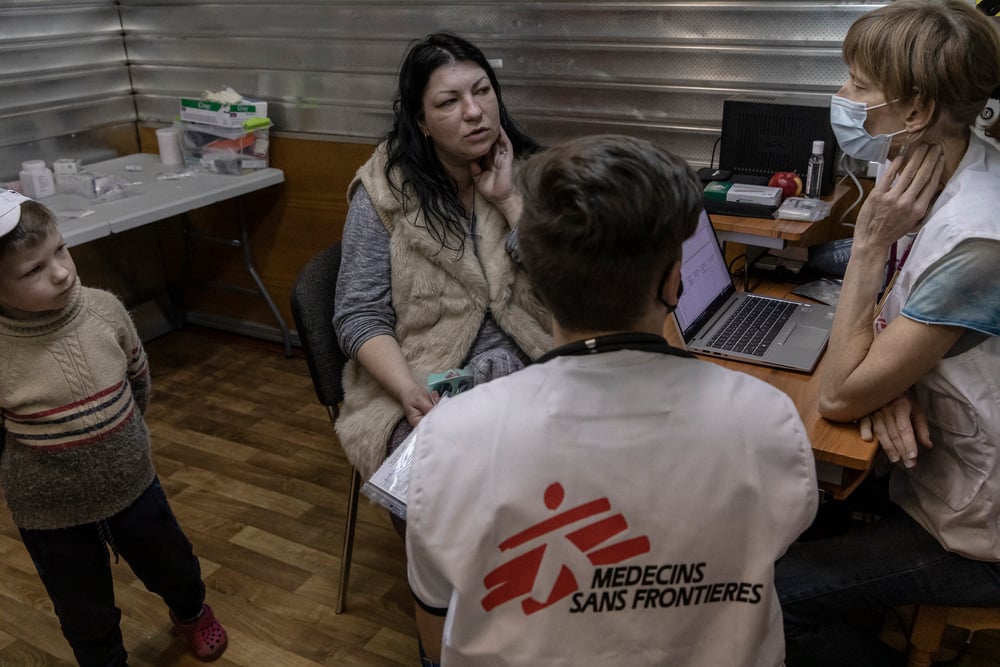
The MSF project I coordinated is based in Vinnytsia, a city in central-western Ukraine that remains relatively safer than frontline regions. This relative stability makes it possible to provide longer-term, specialized mental health treatment — something that is extremely difficult in areas under constant bombardment. At the Vidnovlennia centre, MSF provides psychological care for people affected by war, including veterans, internally displaced people, survivors of captivity and civilians who have experienced trauma, loss or prolonged stress.
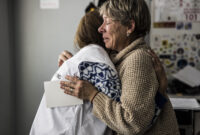
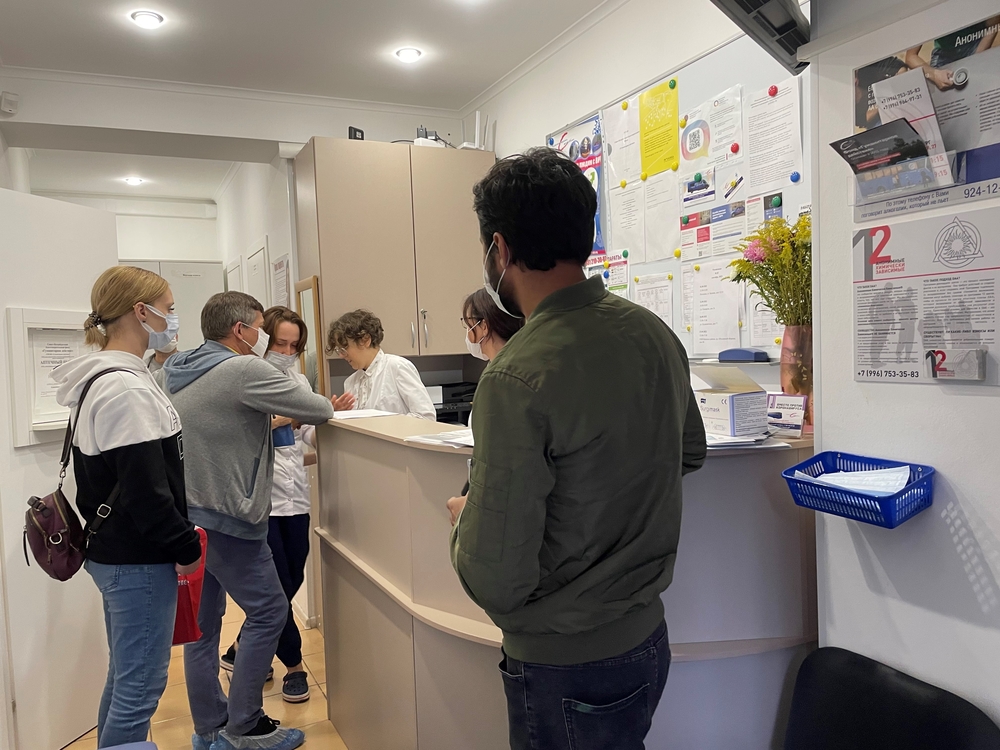
Although my role did not involve direct clinical work with patients, I often observed people in the waiting areas — children, young women, men and older adults. Seeing them left a strong impression on me. I felt a constant awareness of how limited our capacity is as an organization and how much suffering remains beyond the people we can reach. I often wondered what these individuals were facing once they left the clinic — what fears, losses and uncertainties they carried back into their daily lives.
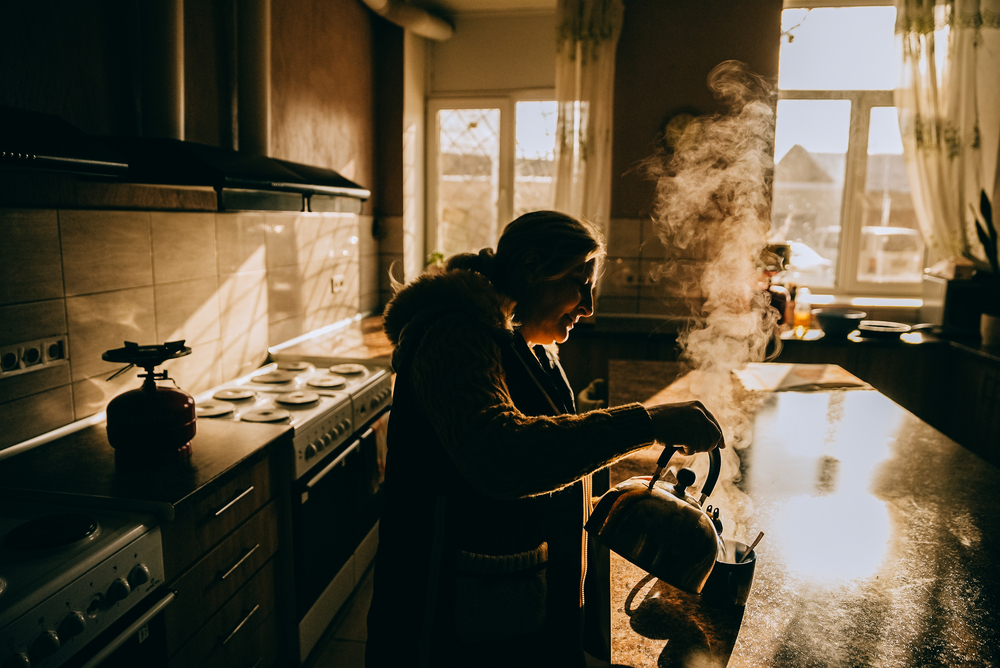
War leaves many wounds that are invisible. You cannot always recognize trauma just by looking at someone on the street. People may appear to be coping, working, laughing, yet carry deep psychological scars from bombardment, displacement, bereavement, captivity or prolonged fear.
Some of the moments that stay with me most vividly are mornings in Kyiv after heavy shelling. I would wake up thinking first about children and how they cope with growing up under constant air raid sirens. As a mother, I understand the deep helplessness that comes with being unable to fully protect your child from such fear and instability. These thoughts stayed with me throughout my day.
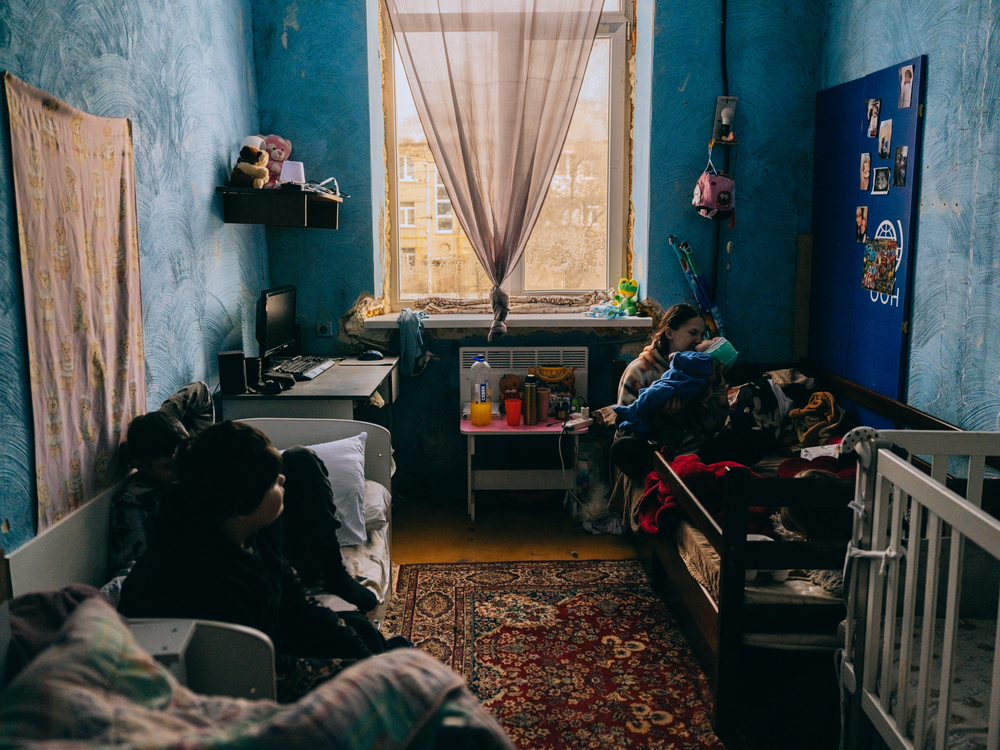
The morning after heavy shelling, people still commuted to work, children went to school, neighbours carried on with their lives. At times, it felt like everyone had learned to move forward by pretending nothing had happened. I found this understandable but deeply unsettling. The pressure to maintain normality can become a survival strategy, but it can also hide unresolved trauma.
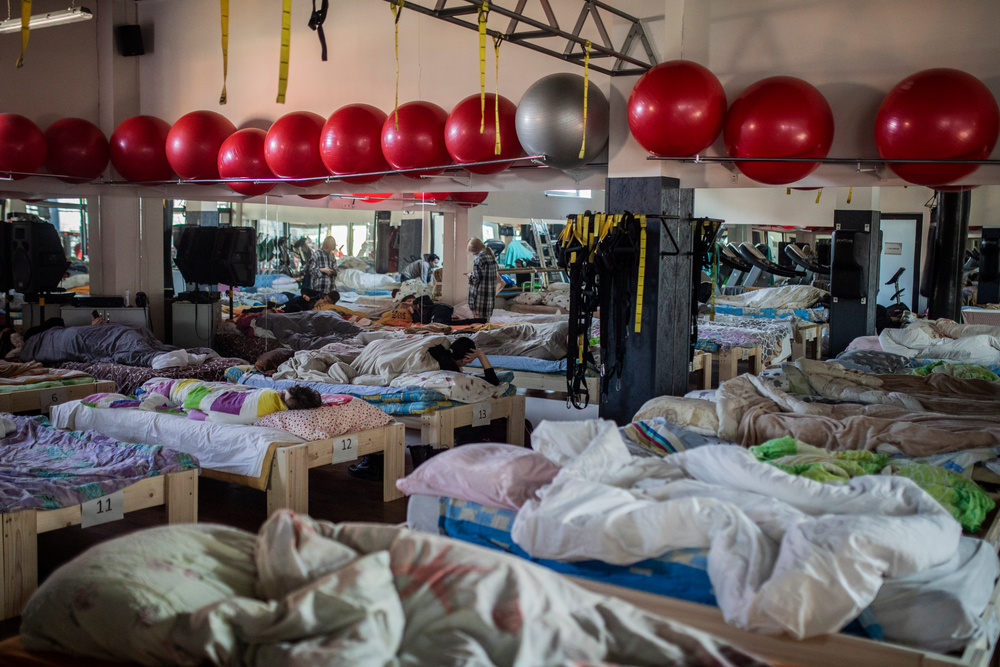
What struck me most in Ukraine is how life continues despite everything. People still visit theatres, cinemas, cafés, gyms and celebrate small everyday moments. At the same time, war has become woven into ordinary life. Air raid sirens, explosions, power cuts and grief have started to feel routine. This normalization of war is one of the most disturbing aspects of the conflict, because when violence becomes familiar, it reshapes how people think, feel and perceive safety, loss and the future.
It is difficult to describe what it feels like to live in a place where air strikes and celebrations, fear and resilience, grief and ordinary routines exist side by side. Even now, I am still trying to make sense of it. The coexistence of life and death, hope and despair, continues to challenge how I understand both war and humanity.