Ukraine: “The war is not always visible”
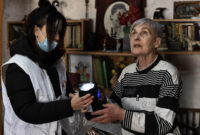
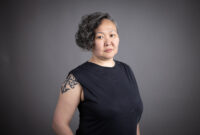
Elena Butta MSF medical manager shares her experience working at a recovery centre.
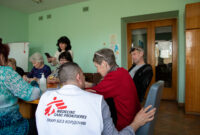
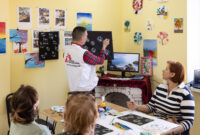
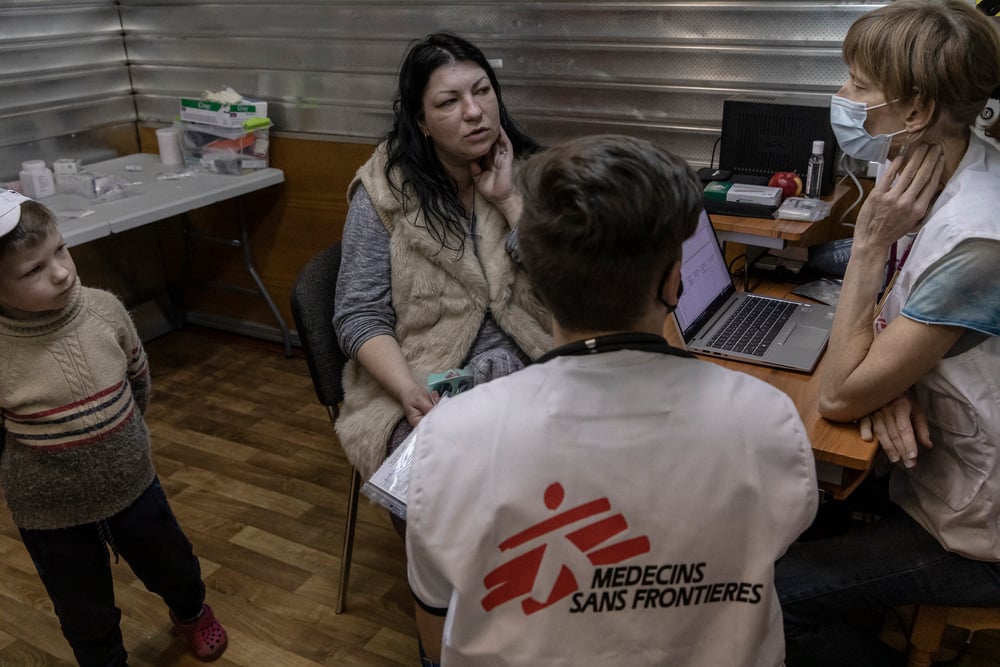
PTSD often appears alongside anxiety, depression, insomnia and physical symptoms, as well as trauma linked to experiences such as torture, imprisonment or loss. To help with recovery, our team offers both individual therapy sessions and group creative activities.
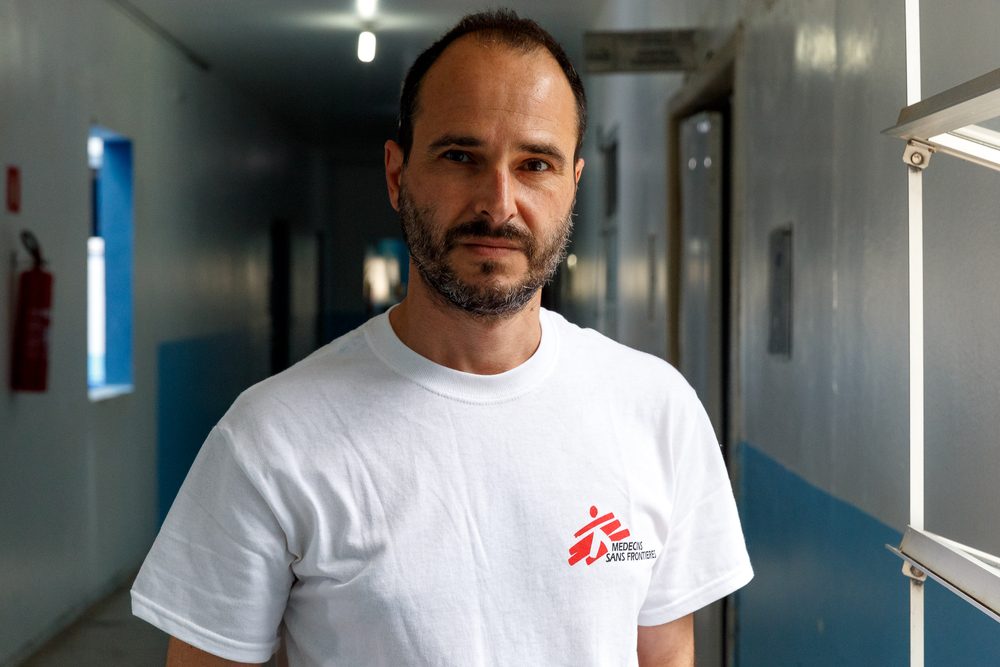
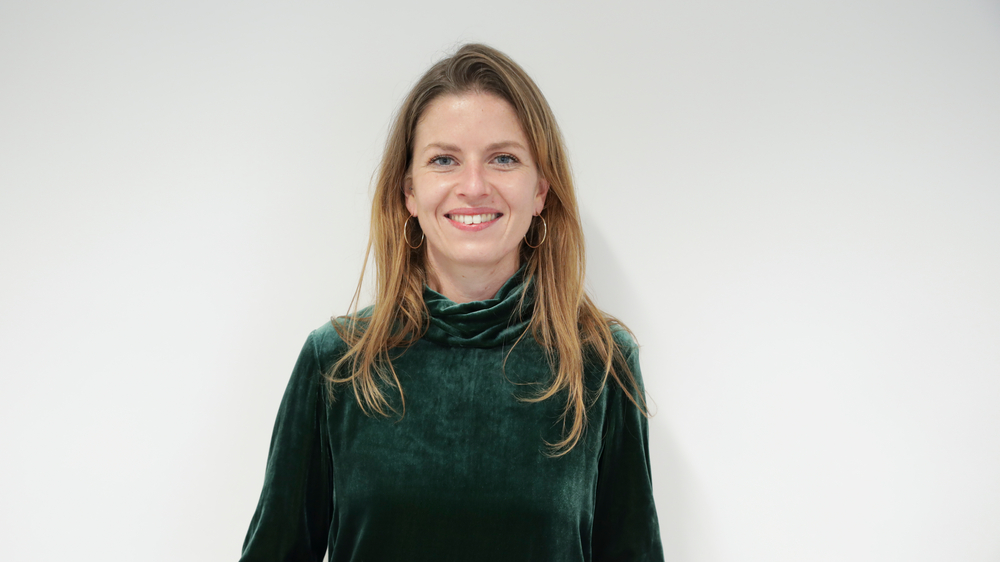
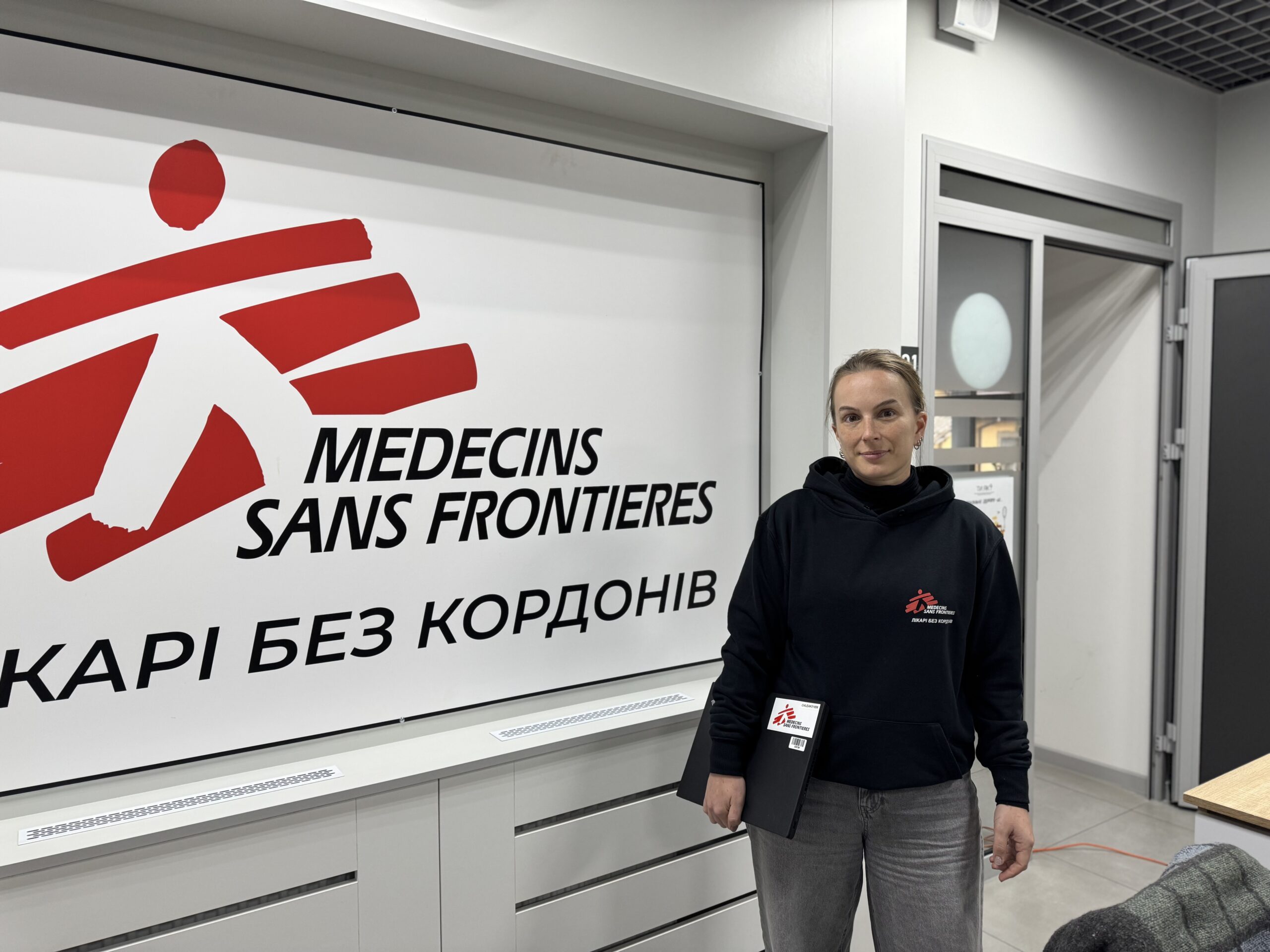
Elena Butta, a physician and medical manager with MSF, shares her experience working at the Vidnovlennia clinic from April 2025 until January 2026.
By Elena Butta, MSF Medical manager
My name is Elena Butta and I was working in an MSF project in central Ukraine. I have previously worked in conflict and crisis settings — including Afghanistan, South Sudan and Haiti — and served as a medical manager supporting frontline teams.
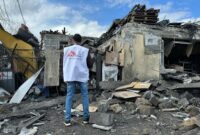
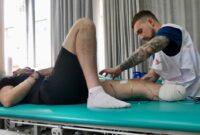
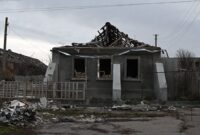
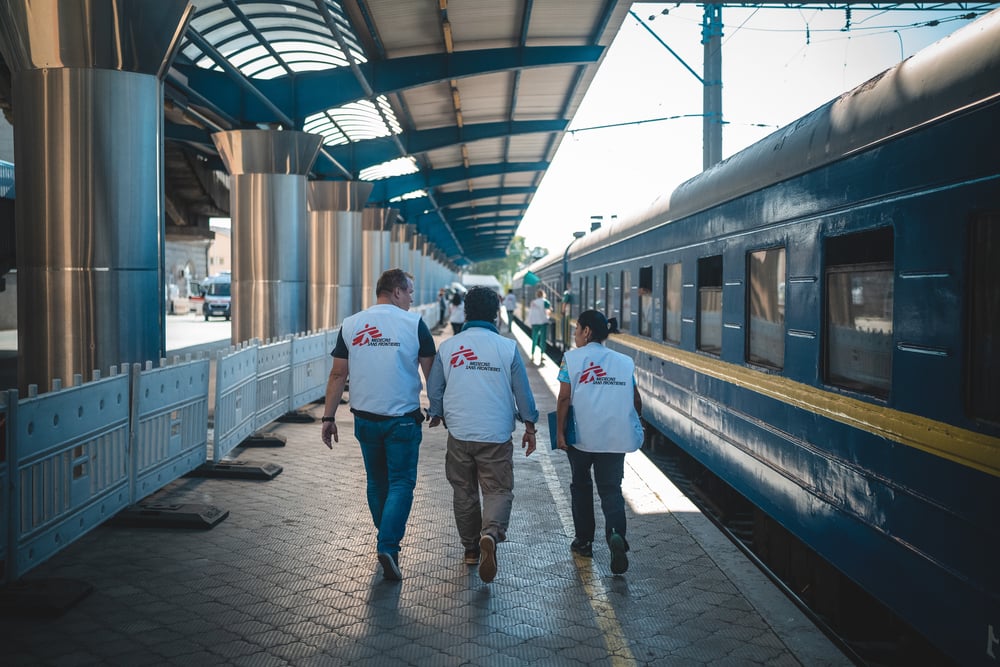
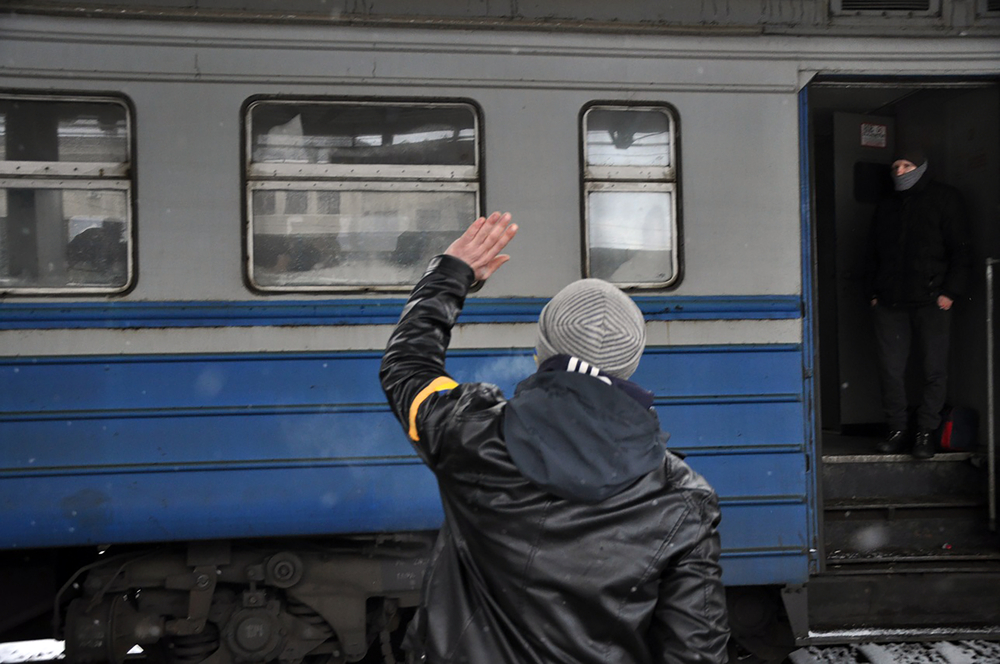
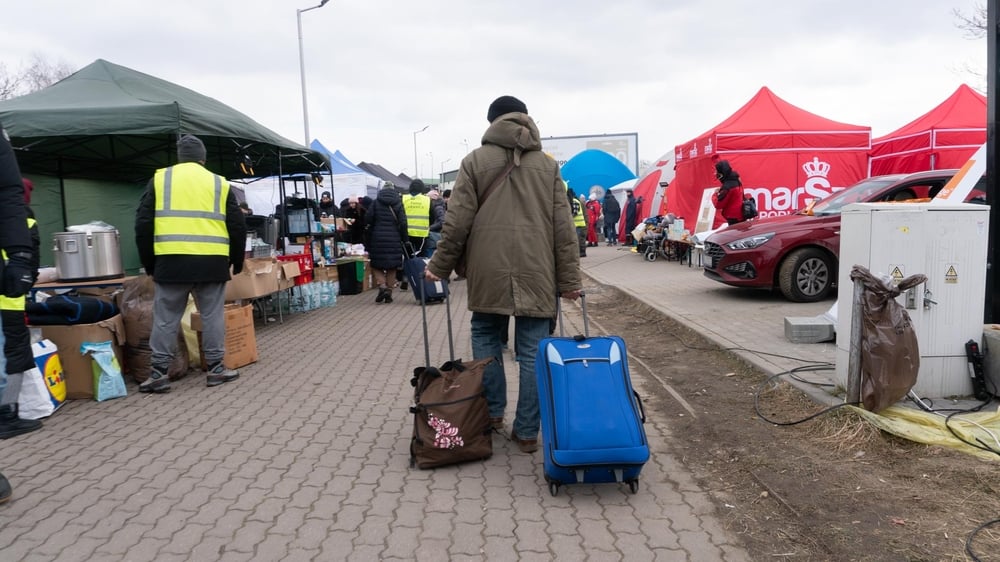
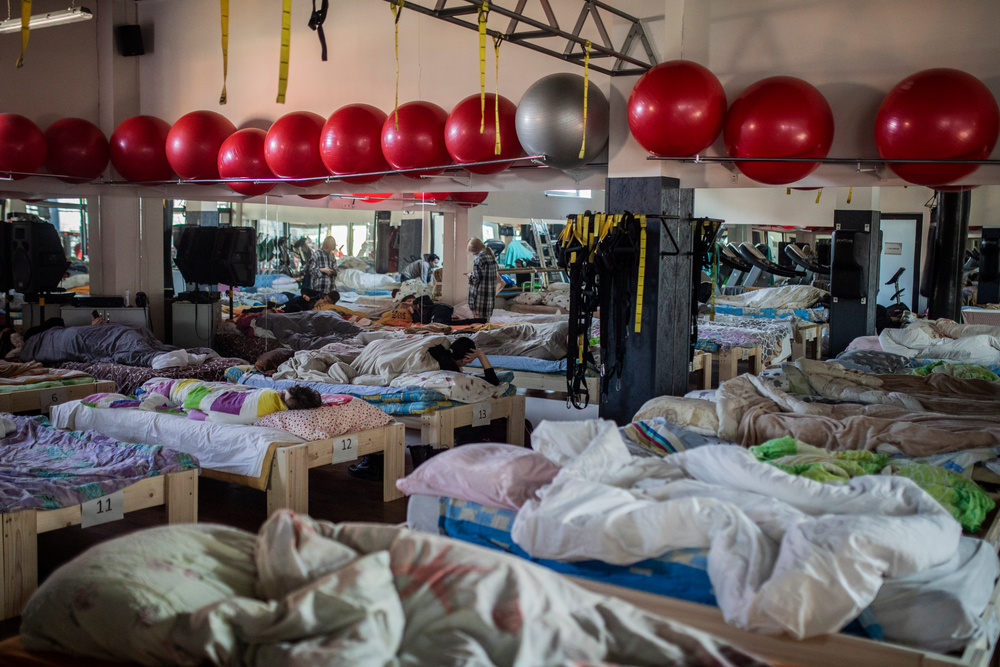
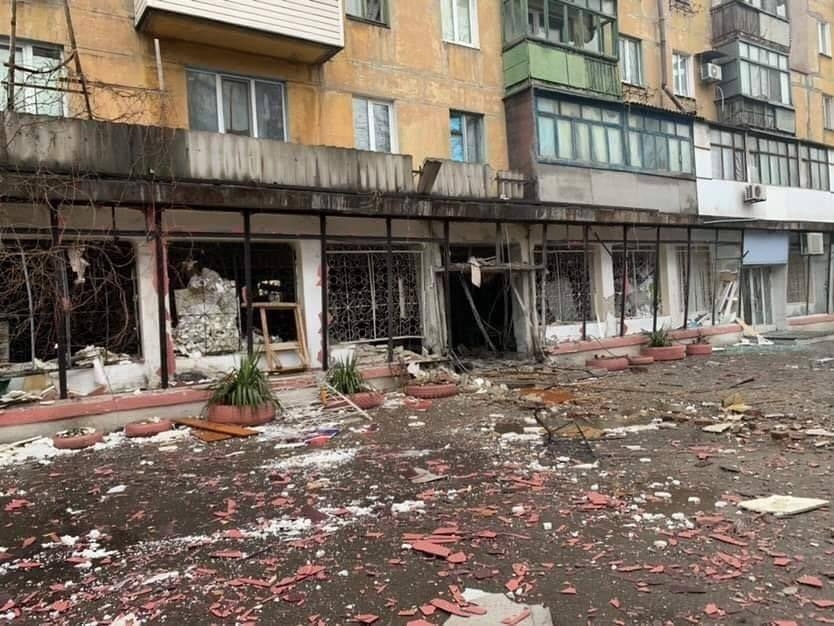
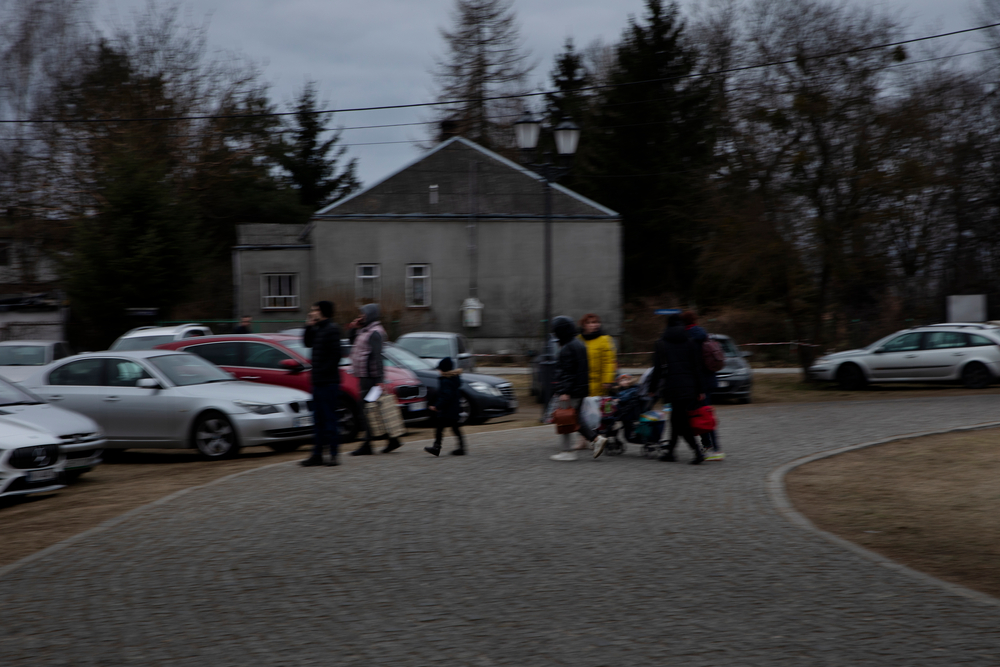
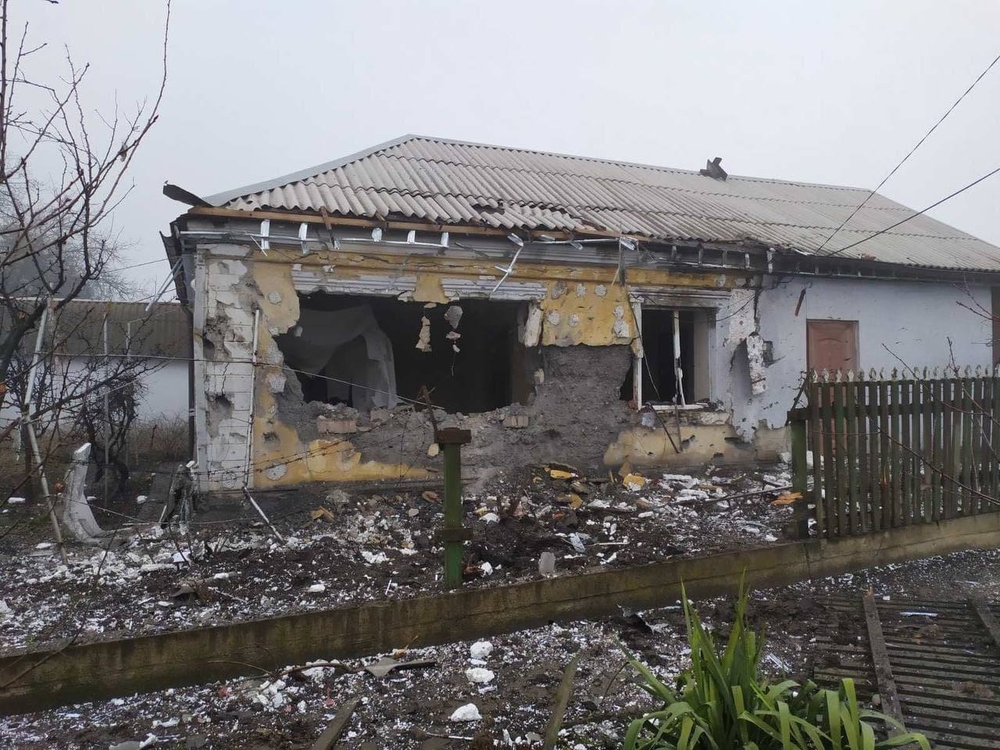
I arrived in Vinnytsia in April 2025 after a long train journey from Poland. The region appears largely untouched by heavy fighting, yet the impact of war is still present in less visible ways. Many displaced people have settled here and community hubs have emerged to support those arriving from affected regions. Rehabilitation and physiotherapy services for war-wounded patients have also expanded in the area.
PTSD is one of the most disabling consequences of war, yet it often remains neglected. It can disrupt daily functioning, strain family and social relationships, limit a person’s ability to work and increase the risk of depression or substance misuse.
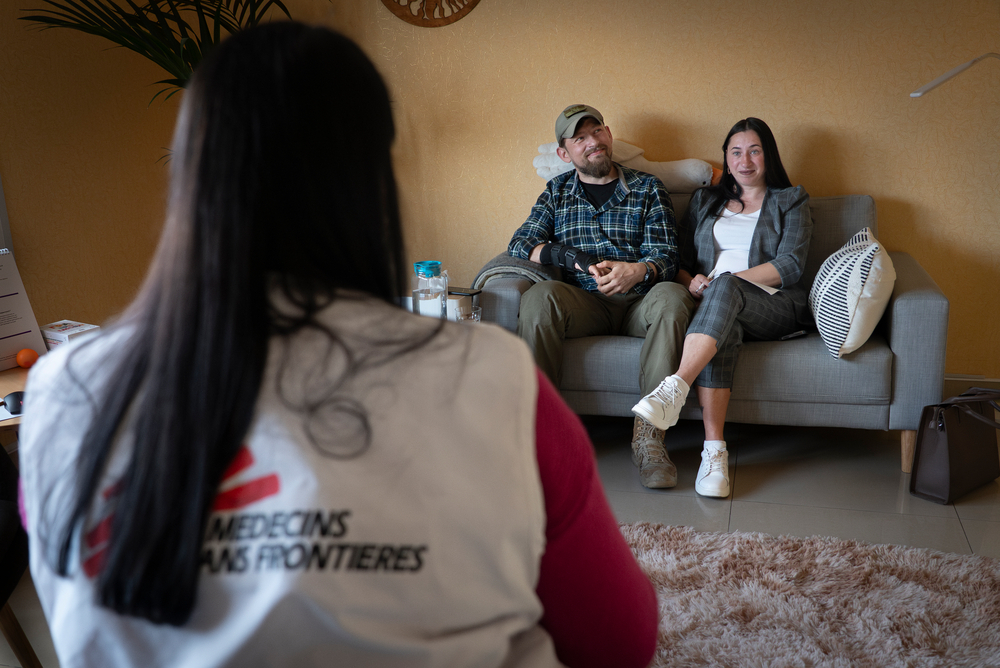
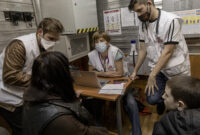
My daily work focuses on the Vidnovlennia clinic — a name that means recovery or rebirth. Our activities are centred on three main pillars: psychotherapy for people living with PTSD; psychoeducation, mental health promotion and stigma reduction at the community level; and training local partners to strengthen sustainable capacity beyond MSF’s presence.
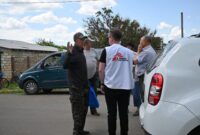
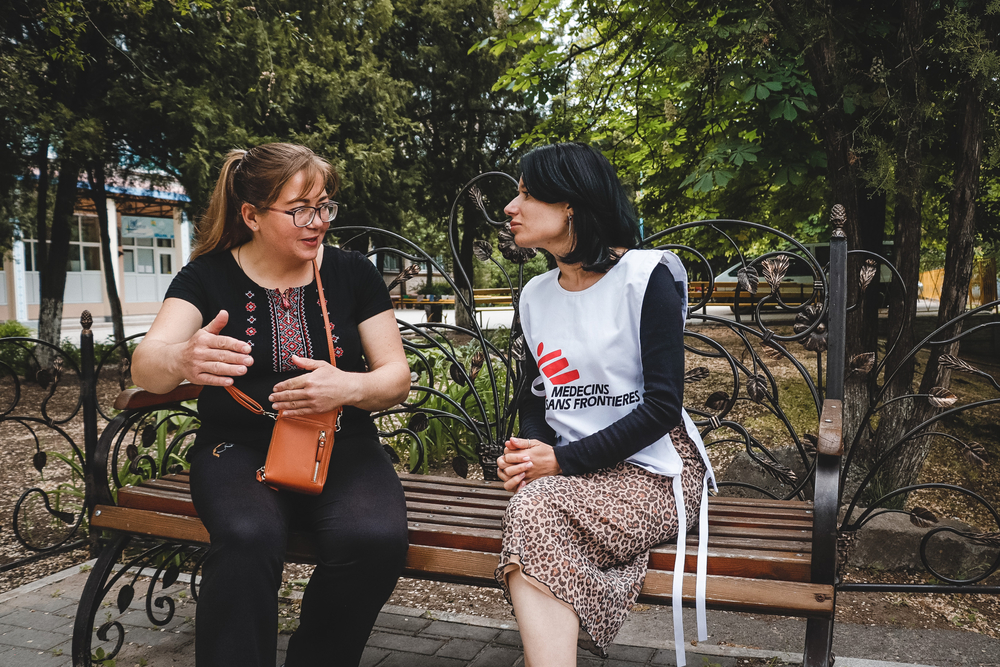
We collaborate closely with community-led initiatives, such as veterans who have created peer-support groups, volunteers supporting war-affected children and families, small organizations advocating for survivors of torture or civilian detention and safe spaces for equity-deserving groups. By supporting these local efforts with training, psychoeducation and therapeutic outreach, we help extend care beyond the clinic and strengthen community resilience.
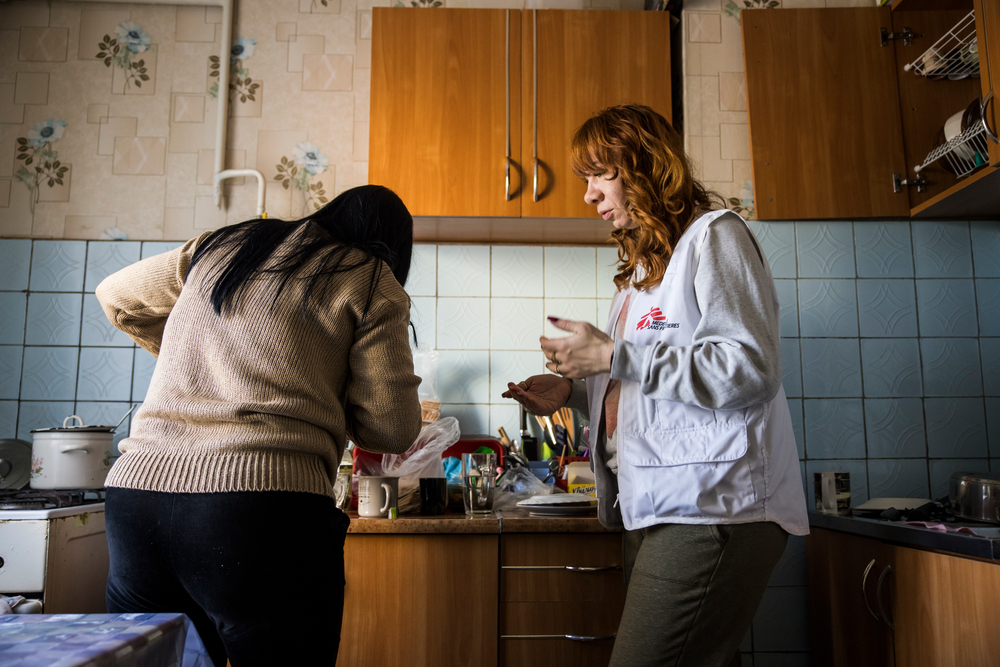
Working alongside Ukrainian colleagues and witnessing the resilience of patients and communities has been deeply meaningful.
What we are doing in Vinnytsia is a pilot approach to deliver specialized PTSD treatment in the context where trauma occurs. In many conflict settings, mental health support is limited to short-term or basic interventions. In Vinnytsia, however, MSF provides longer-term, evidence-based care that enables people to receive treatment in their own country, without waiting years or needing to travel abroad. With armed conflicts ongoing around the world and millions of people affected by psychological trauma, this model has the potential to inform future humanitarian responses.
PTSD is one of the most disabling consequences of war, yet it often remains neglected. It can disrupt daily functioning, strain family and social relationships, limit a person’s ability to work and increase the risk of depression or substance misuse. Addressing PTSD is therefore not only about individual recovery, but about supporting families and communities over the long term. In Ukraine, where millions of people have experienced violence, loss or displacement, mental health needs are profound and will likely continue for generations.
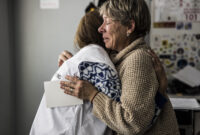
On a personal level, I am constantly aware of the scale of unmet needs and the limits of what we can provide. At the same time, working alongside Ukrainian colleagues and witnessing the resilience of patients and communities has been deeply meaningful. Contributing — even in a small way — to recovery and dignity in this context is both humbling and a privilege.