Venezuela earthquakes: MSF expands response as needs shift
18,000 people remain displaced by the earthquakes.
As thousands of people displaced by the two powerful earthquakes that struck Venezuela on June 24 remain without shelter, clean water or adequate sanitation, Doctors Without Borders/Médecins Sans Frontières (MSF) is expanding our initial trauma response to support communities facing growing humanitarian needs.
Authorities report more than 3,500 deaths, more than 16,000 people injured and nearly 18,000 people displaced.
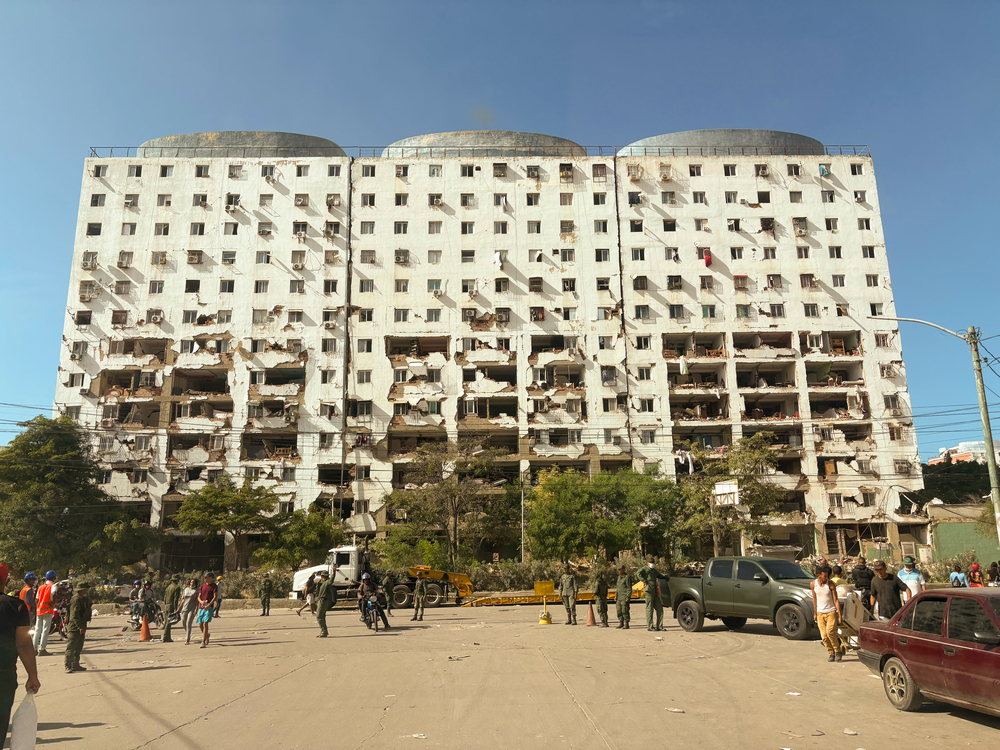
Across Caracas and La Guaira, many people are sleeping in parks, schools, stadiums and informal gathering sites after losing or being forced to leave their homes. MSF says overcrowding, lack of safe drinking water and limited sanitation could increase the risk of disease outbreaks in the coming days and weeks.
“It looks like a war zone to me. I have seen a lot of those environments in my MSF career, but it is really like a war zone.”
Andreas Spaett, MSF country coordinator in Venezuela
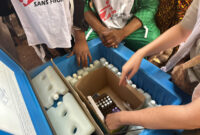
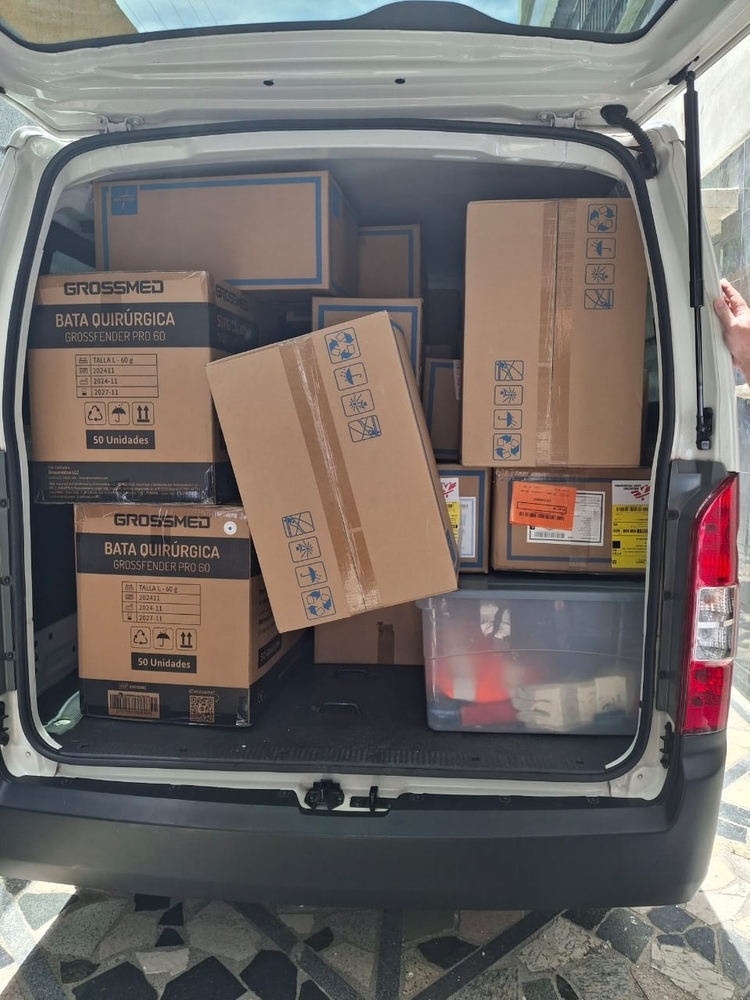
Approximately 50 MSF staff are currently involved in the response, with additional staff expected to arrive in the coming days. So far, we have distributed emergency trauma kits and medical supplies to treat nearly 10,000 people injured in the earthquakes. MSF has also donated 8.5 tons of medications, medical equipment and sanitation supplies to support overwhelmed healthcare structures. We are now expanding activities to include mobile clinics, mental health support, water and sanitation activities and outreach to displaced communities.
How can I help MSF?
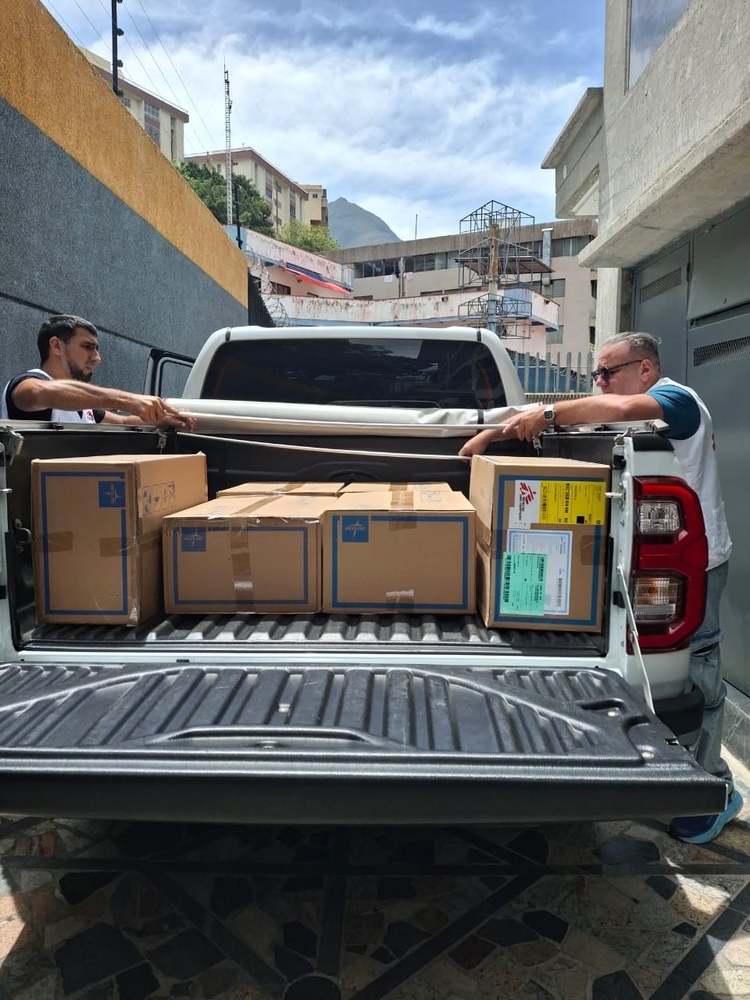
During the first hours after the earthquakes, MSF was able to donate trauma kits to hospitals in La Guaira and Caracas. These kits filled supply gaps after hospitals had exhausted their own stocks treating the injured.
Give today to help deliver critical medical care.
GIVE NOWHospitals overwhelmed in the aftermath
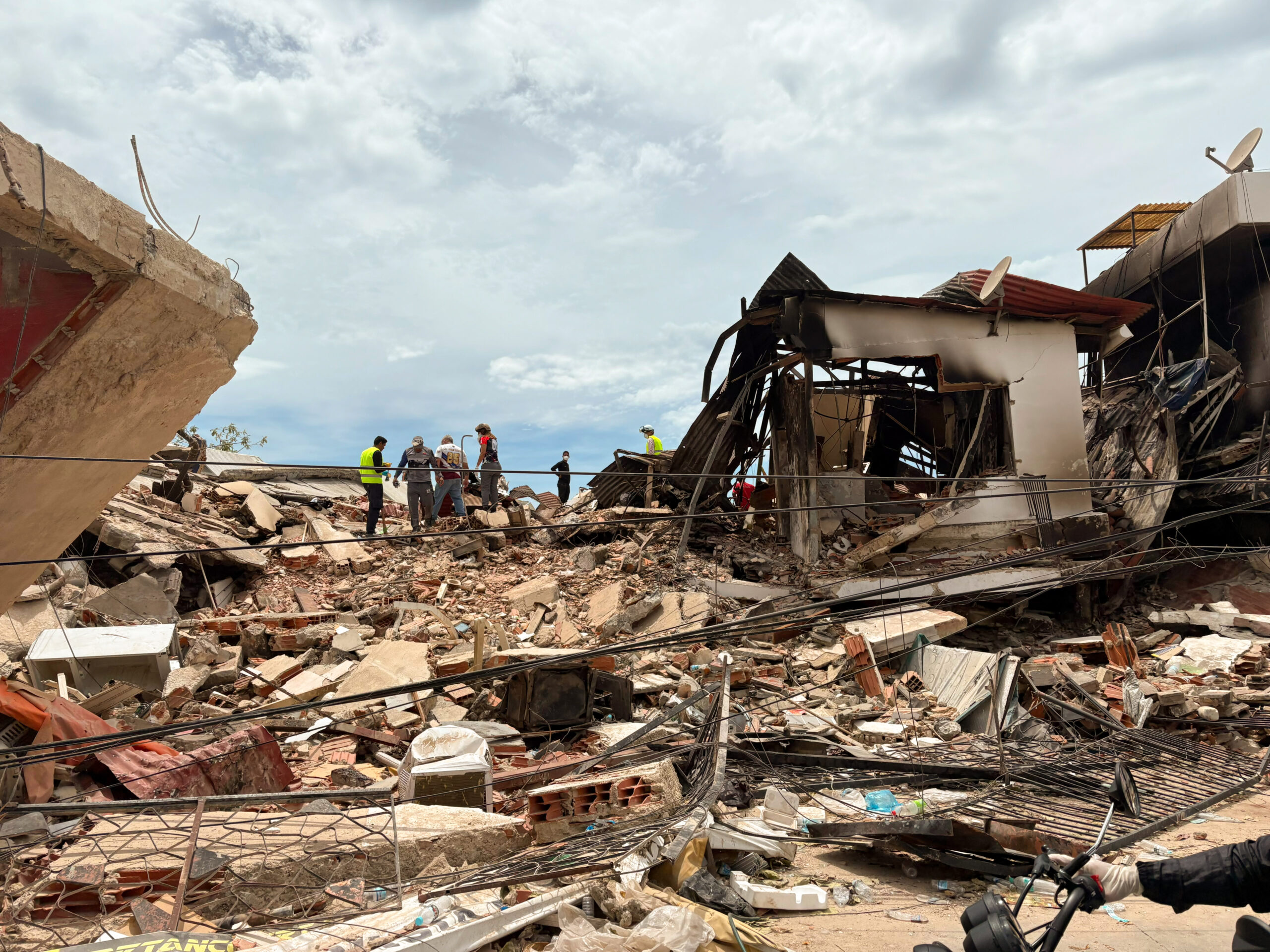
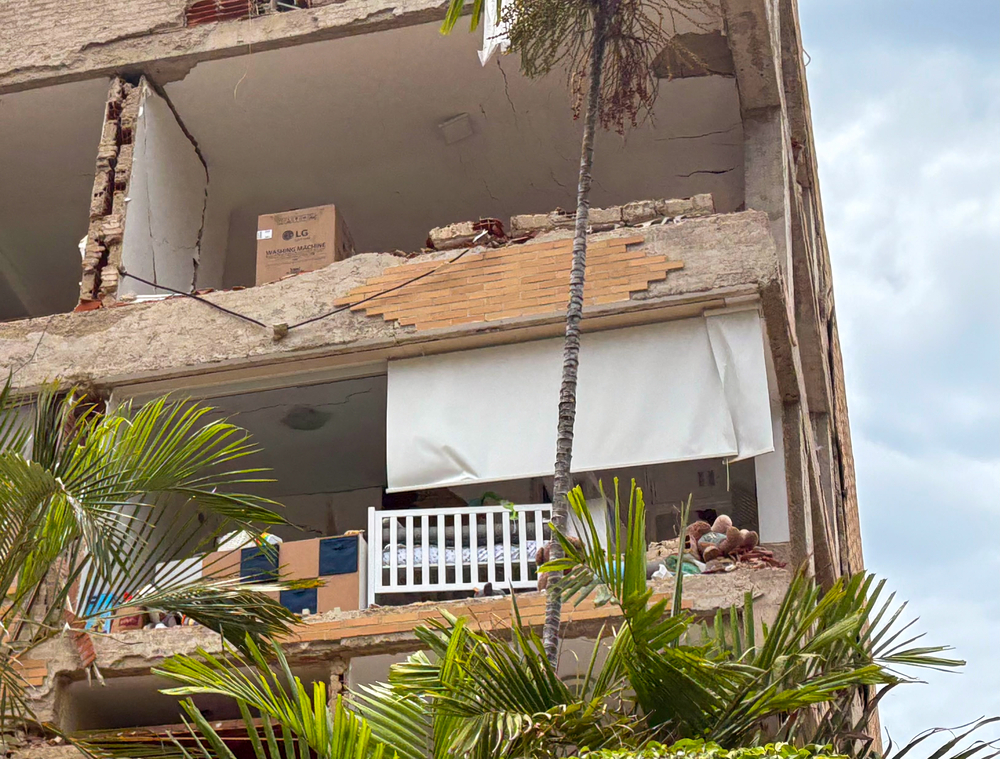
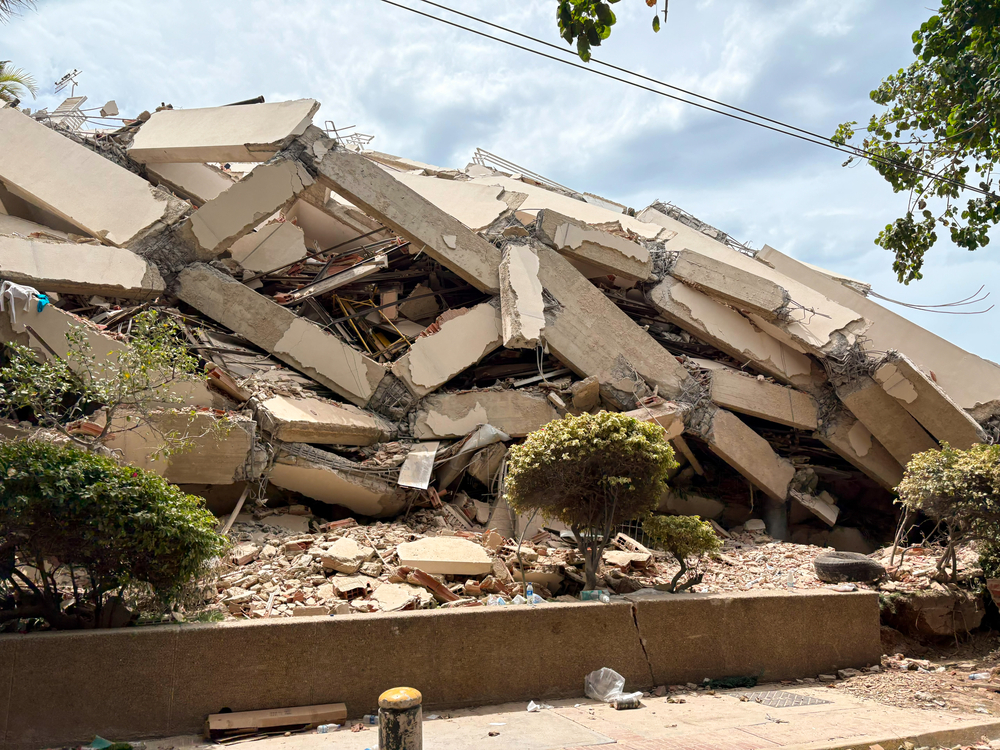
It took MSF teams more than four hours to travel from Caracas to the epicentre immediately following the earthquakes.The journey normally takes 45 minutes. Many buildings in La Guaira had collapsed or become unsafe and entire neighbourhoods were left without telephone service, internet or electricity.
“It looks like a war zone to me,” says Andreas Spaett, MSF country coordinator in Venezuela, describing conditions in La Guaira in the days immediately after the earthquakes. “I have seen a lot of those environments in my MSF career, but it is really like a war zone.”
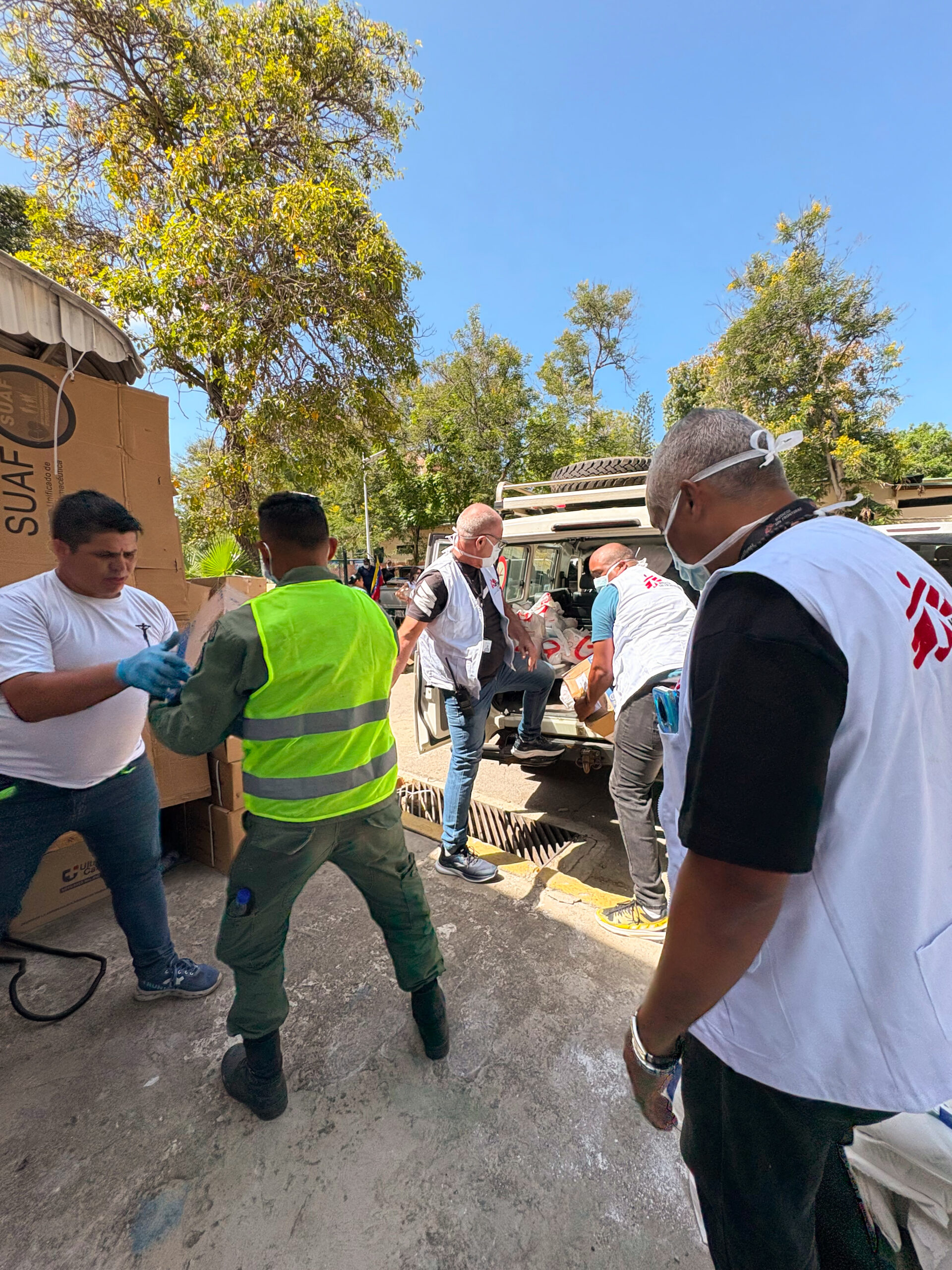
At José María Vargas hospital in La Guaira — one of the largest medical facilities in the area — courtyards were crowded with people waiting for care. At the mostly pediatric Domingo Luciani hospital, admissions rose from around 10 to 15 patients per hour in the morning to as many as 40 to 50 patients per hour later in the day.
MSF has now supported nine medical facilities across Caracas and La Guaira, as well as local responders. In coordination with Venezuela’s Ministry of Health, MSF has also donated 8.5 tons of medications and medical and sanitation supplies to support overwhelmed health facilities.
Response shifts toward displaced communities
As hospitals begin to move beyond the initial influx of trauma patients, our response is increasingly focused on displaced communities.
“The needs continue,” says Spaett. “We continue to support the different health structures, but we now also need to think ahead. People have lost their houses and are looking for food, water and shelter.”
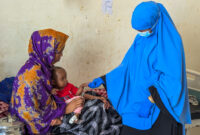
MSF has launched mobile clinics in several affected areas, including Naiguatá, Catia La Mar and Playa Verde in La Guaira state, where needs remain significant. The MSF health teams include doctors, nurses, a psychologist, a health promoter and an environmental health specialist, providing primary healthcare, mental health support, health promotion and water and sanitation assessments for displaced communities. In the first days of MSF’s response, our teams provided more than 120 consultations — mainly for chronic health conditions, respiratory infections and skin diseases — and about 50 individual and group mental health sessions.
“We are seeing people gathered in spontaneous settlements and overcrowded places with very limited organized support,” Spaett says. “Mental health support is also critical because many people are deeply traumatized.”
MSF teams are also carrying out exploratory visits to identify areas and communities that may not yet be receiving assistance.
Water, sanitation and disease risks
Water, sanitation and hygiene conditions are now among MSF’s biggest concerns. MSF reports many affected areas still lack organized sanitation systems and reliable access to safe drinking water. While residents and volunteer groups are distributing water informally, the needs remain significant.
“The lack of water, sanitation and hygiene can quickly give rise to outbreaks,” says Carlos Arias, MSF medical coordinator in Rio de Janeiro, Brazil. Arias has responded to other earthquake emergencies with MSF, including in Syria following the 2023 earthquakes that also hit southern Türkiye.
“We see a lot of civilians donating drinking water to affected people, but it is not enough,” Arias says. “There is still limited drinking water and teams are not yet seeing organized systems for safe waste disposal.”
“In a normal setting, one sick person may infect only a few others. But in crowded shelters and displacement sites, diseases can spread very quickly.”
Carlos Arias, MSF medical coordinator in Rio de Janeiro
Apart from the destruction to buildings, earthquakes can also damage infrastructure that normally separates drinking water from sewage systems, increasing contamination risks. While overcrowded shelters and informal settlements can accelerate the spread of infectious diseases.
“In a normal setting, one sick person may infect only a few others,” Arias says. “But in crowded shelters and displacement sites, diseases can spread very quickly.”
MSF teams responding to previous earthquakes have treated outbreaks of cholera, measles and respiratory infections in crowded displacement settings. In Venezuela, teams are now monitoring for waterborne diseases as well as mosquito-borne illnesses such as dengue, Zika and chikungunya.
To reduce these risks, MSF teams are assessing water sources, sanitation conditions and disease surveillance needs in affected areas. Activities may include water trucking, chlorination of water supplies, emergency latrines, hygiene kit distributions and regular mobile clinic visits to shelters and gathering sites.
MSF continues to assess the needs across Caracas and La Guaira, while adapting our response as the situation evolves.
MSF in Venezuela
MSF has been in present in Venezuela since 2015. Currently we have projects in the region of Delta Amacuro and in Anzoátegui. While these areas were not directly affected by the earthquakes, we are sending emergency medical supplies from our existing projects and are ready to bring experienced staff from our regular projects to support the response as needed.