Democratic Republic of Congo: “That tiny pink coffin stayed with me”
MSF nurse Martina Marchiò reflects on the human toll of the Ebola disease outbreak.
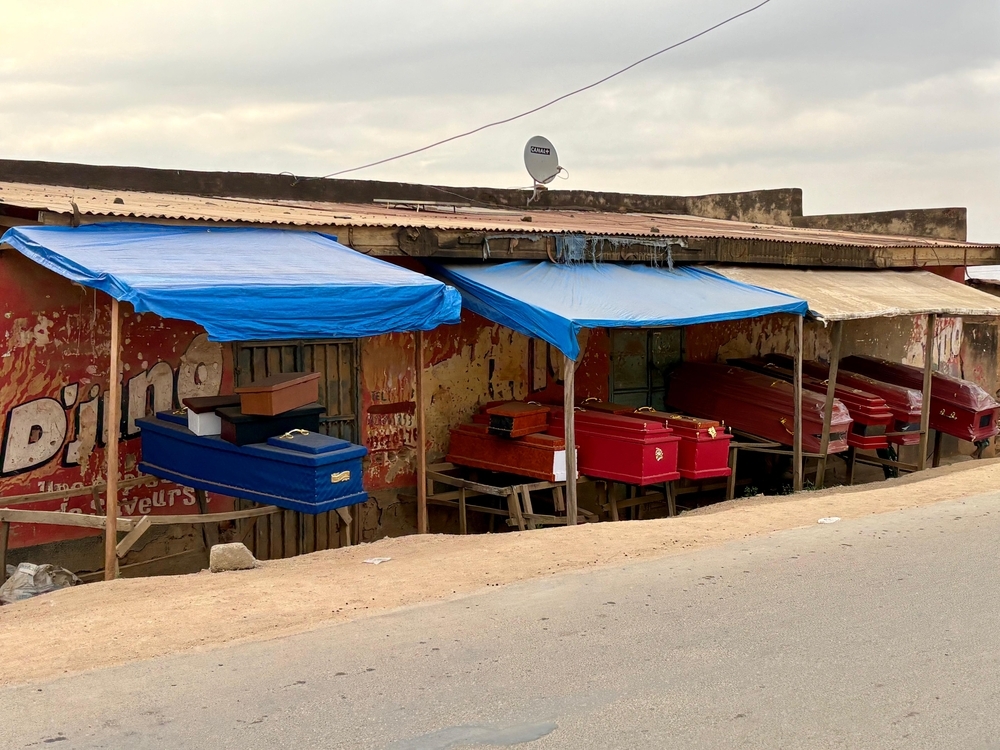
The other day, while we were driving, my eyes fell upon a tiny, pink coffin. Here, you often see coffins on the side of the road, displayed side by side, in all colours and sizes. Large, small, plain, colourful. Ready to be sold.
It was so small it almost looked like a toy. I thought, sooner or later, a child would lie in it. That little pink coffin has stayed with me ever since.
Not numbers but people
It has been more than three months since the Ebola disease outbreak was declared in Democratic Republic of Congo (DRC). There have been more than 6,000 confirmed cases And more than 3,000 people have died. The figures seem almost unreal and risk becoming mere statistic. But behind every number there is a name. A home. A mother. A father. A child. A family waiting for someone who will never return.
We carry on washing our hands. Once. Twice. Ten times. Countless times. Before going in, after coming out, after touching something, after speaking to someone. And yet, even when our hands are clean, the feeling remains that we are still stained.
“…it’s not just a virus. It’s the terror in the eyes of a sick person. It’s the distance that suddenly becomes necessary, even between a mother and her child.”
Stained with fear, with what we have seen, with the realization that all it takes is one mistake, one touch, one moment of distraction for the virus to enter our lives.
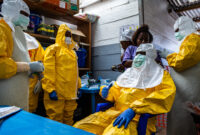
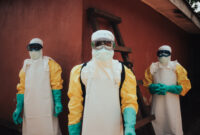
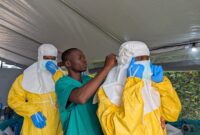
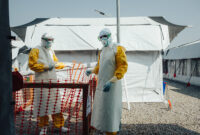
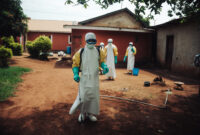
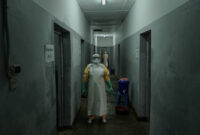
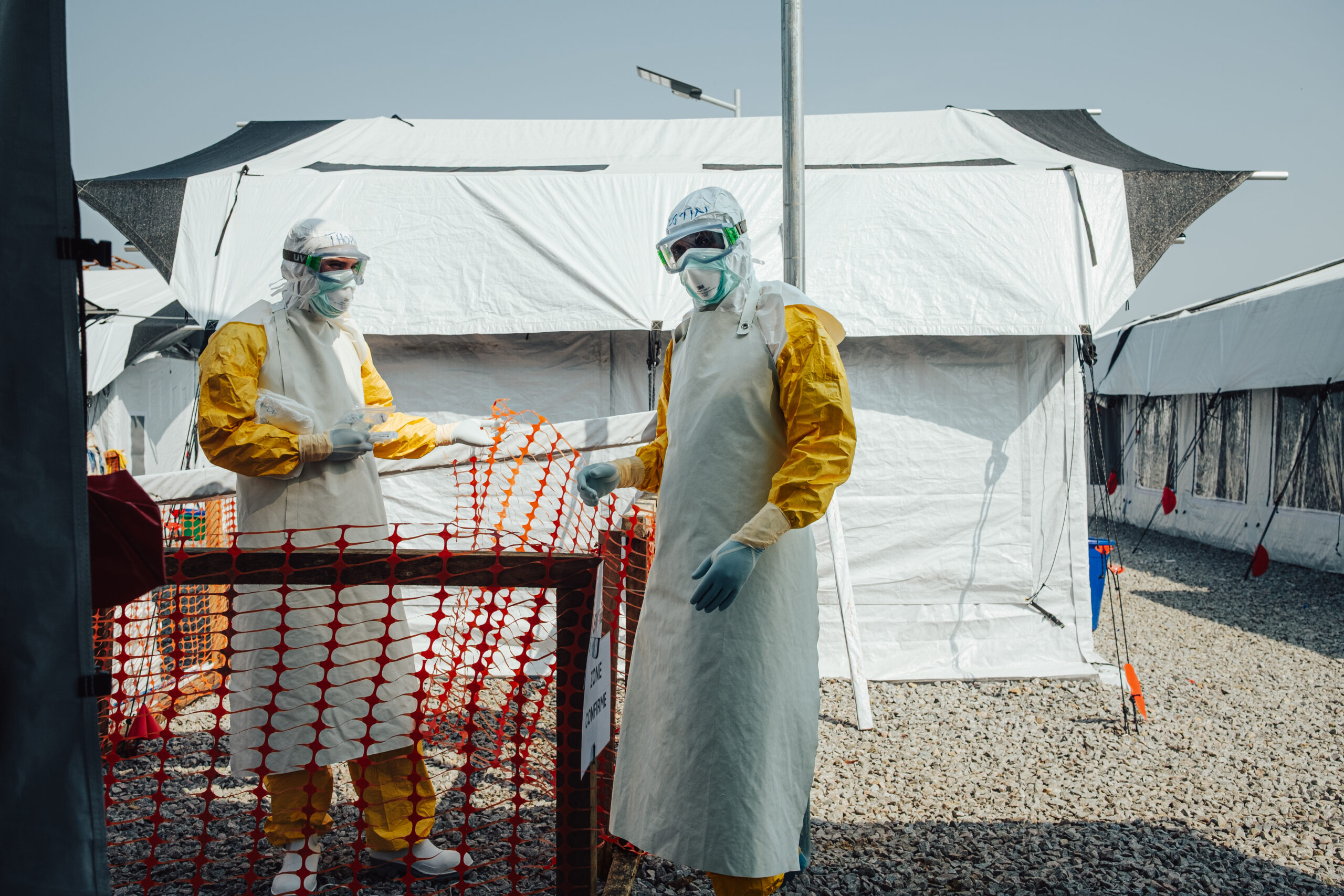
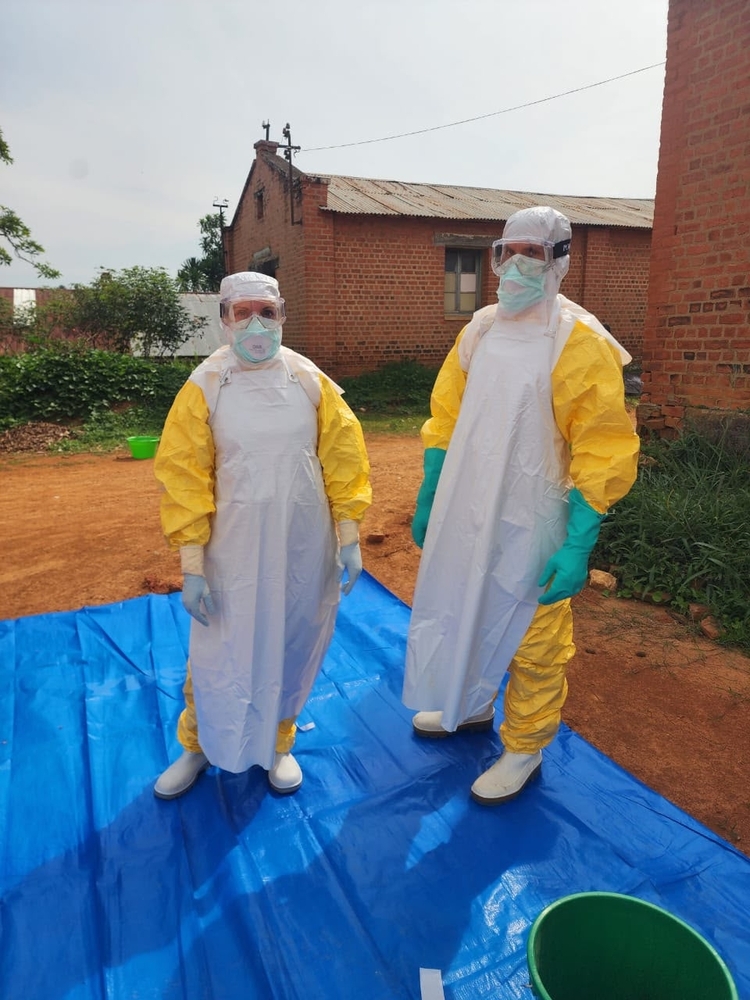
Inside the yellow protective suit, you sweat — a lot. The heat becomes stifling, breathing feels hard, the gloves stick to your hands until they become like a second skin. Every gesture must be precise; every movement controlled. Every time we enter the high-risk area, we know that we aren’t simply wearing protective gear: we’re trying to protect ourselves whilst trying to save someone else.
The real meaning of Ebola disease
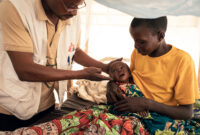
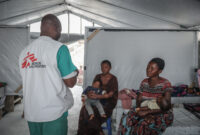
It’s hard to put into words what Ebola disease really means. What I do know is that it’s not just a virus. It’s the terror in the eyes of a sick person. It’s the distance that suddenly becomes necessary, even between a mother and her child. It’s a family that can no longer embrace their loved ones. It’s a phone call made knowing it might be the last.
Jean Louis was 64 years old; he was a teacher and had a beautiful family.
His wife died first; the virus passed on to him and their two daughters. Then came the days of illness: diarrhea, weakness, his body slowly giving way and, finally: bleeding.
Jean Louis realized he was going to die.
He asked for his phone to be charged. He wanted to say goodbye to his family, put his affairs in order and say the things he’d perhaps never thought he’d have to say so soon.
Then he called his granddaughters. They had also tested positive and were in the next room. He said goodbye. A few hours later, he died.
A few days later, his youngest daughter died too. She was only 20 years old. Twenty.
At that age life should be about dreams, love and making plans.
Ebola disease kills about half the people who contract it. Among those most at-risk are young people, older adults and pregnant women.
When you see a young girl die, collapsing to the ground, every statistic vanishes. It happened a few days ago: she was young, far too young. At that moment, there were no more percentages, numbers, graphs or press releases — just a life coming to an end.
Life does not stop during an epidemic
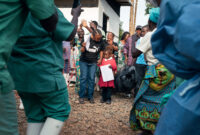
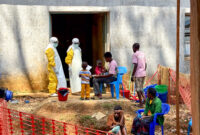
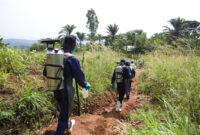
Whilst we try to contain the virus, people continue to live — accompanied by the fear of the virus. You carry on moving about, working, going to the market, taking the children to school and taking care of food and water.
Because even during an epidemic, life does not stop. And from afar, that is perhaps the hardest thing to understand.
DRC is not just about Ebola disease. It is a vast country, with communities that have already endured years of violence, instability and hardship. In many areas, trust is fragile and fear can turn into suspicion rather fast.
Let’s not let them become mere numbers
The 6,000 confirmed cases are 6,000 individual stories. The 3,000 deaths are 3,000 people who are missed: people who loved, worked, felt fear and joy, made plans, raised children and imagined the future.
Let’s not let them become mere numbers.
I carry on washing my hands, putting on gloves and sweating inside that yellow protective suit. I keep feeling that, however much I protect myself, I’m never quite safe enough.
And I keep thinking about that little pink coffin by the roadside.
I wonder how many more we’ll see.
How many children.
How many mothers.
How many fathers.
How many Jean Louis’.
How many girls far too young.
Three months since the start of the Ebola disease outbreak is already too long. This epidemic cannot be just the problem of the people here.
An international collective response is needed. We’re all needed. Now.