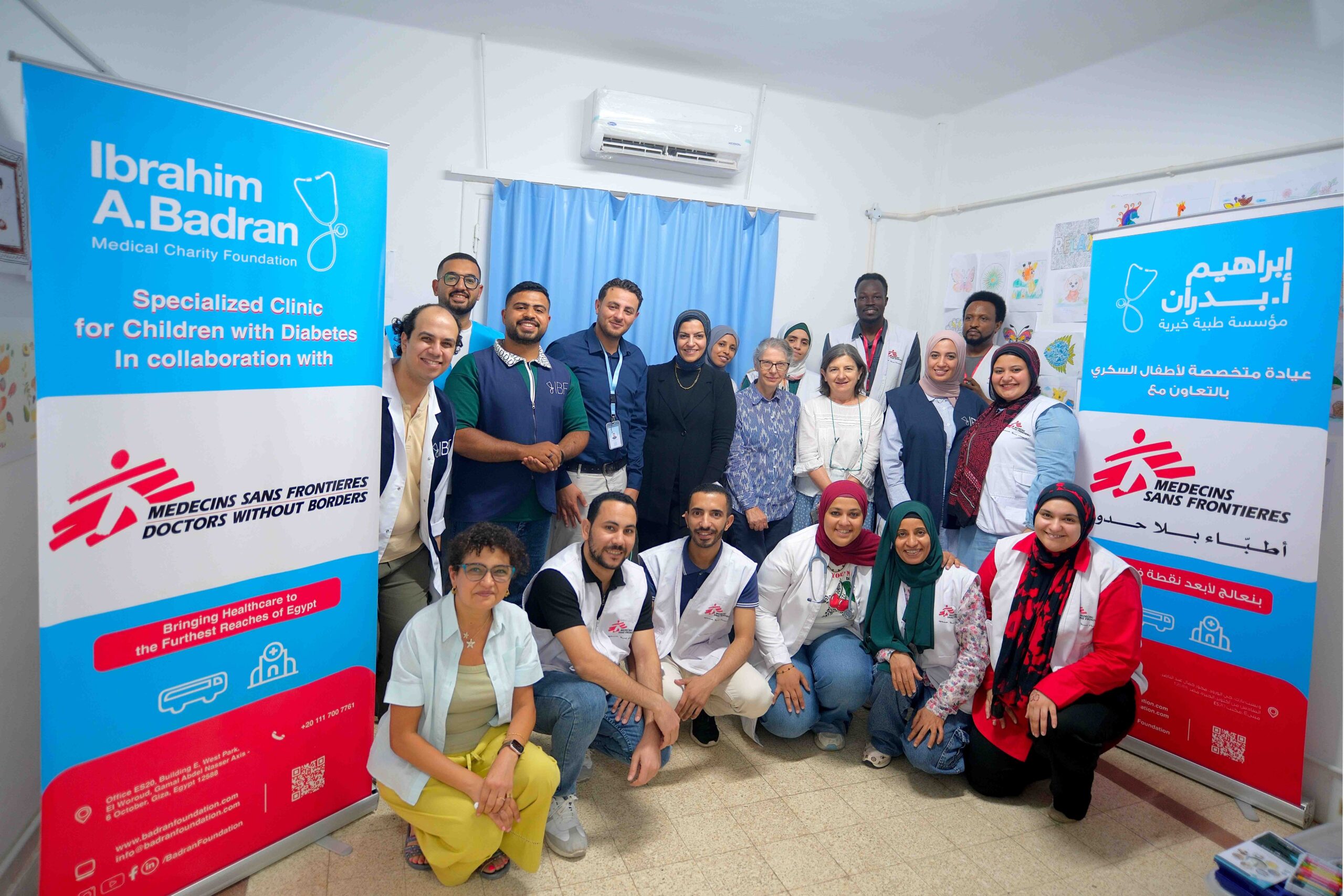
World Patient Safety Day: Safe care for people living with chronic diseases
MSF helps people manage their chronic diseases safely despite conflict, displacement and healthcare barriers.
People living with non-communicable diseases (NCDs) often require continuous, long-term care. However, in humanitarian contexts, conflict, displacement and other obstacles can disrupt access to healthcare. This complicates chronic disease management and compromises patient safety. In 2025, Doctors Without Borders/Médecins Sans Frontières (MSF) conducted 264,711 medical consultations for people with hypertension and 219,982 consultations for people with diabetes.
“Patient safety is especially important for people with non-communicable diseases because these conditions require long-term, regular and accurate care.”
Belal Hussein Mohamed, MSF nursing team supervisor in Sudan
What is patient safety and why is it important?
Patient safety centres on delivering care in a way that minimizes medical errors and reduces avoidable harm. For people living with non-communicable diseases, patient safety also means ensuring care is continuous, regular and precise, while reducing disruptions to treatment or medication that could lead to severe complications.
In countries where communities face acute humanitarian crises such as war, displacement and epidemics, patients often encounter financial hardship alongside transport and security challenges. Weak infrastructure, including frequent power cuts, limited health literacy and poor access to care, can further impair their ability to stay on treatment.
“Patient safety is especially important for people with non-communicable diseases because these conditions require long-term, regular and accurate care,” says Belal Hussein Mohamed, MSF nursing team supervisor in Sudan. “Even minor disruptions in treatment can lead to severe complications.”
For MSF teams working in difficult, low-resource settings, this means adapting care to local circumstances while keeping patient safety at the heart of care delivery.
“We may not always have the resources we would like, but we can always strive to make the care we provide safer,” says Sarah Cross, MSF quality of care implementer.
Patient safety challenges exist across the diverse humanitarian crisis zones where MSF operates — conflict, disease outbreaks, disasters, and limited access to healthcare. Our teams adapt NCD care to the realities patients face. Experiences in Egypt and Lebanon demonstrate how this commitment translates into practical actions and solutions tailored to patients’ needs and environment.
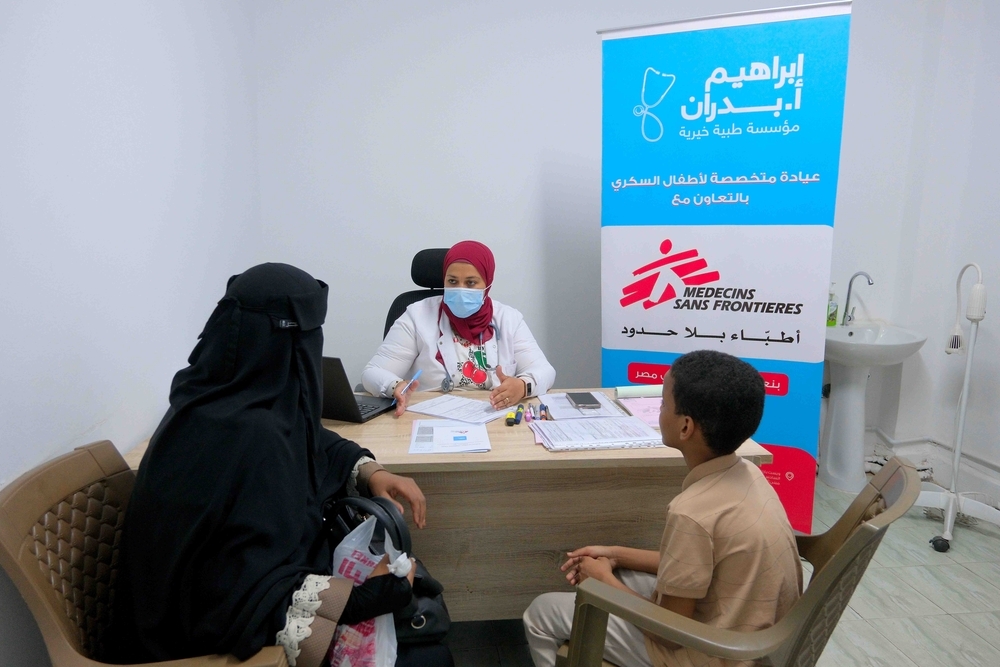
Patient safety in practice: Egypt
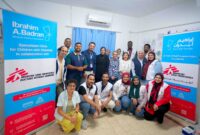
At a specialized clinic for children living with Type 1 diabetes in Cairo, MSF works in collaboration with the Ibrahim A. Badran Charitable Foundation to integrate patient safety across all stages of care.
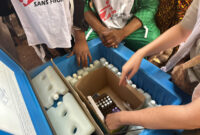
The program adopts an integrated approach centred on four areas: cold chain and transport, empowerment and education, comprehensive care, and operational safety. This includes measures to safely transport and store insulin, alongside educating patients and their families on managing Type 1 diabetes.
Medical follow-up is complemented by psychosocial support, while operational safety measures include reviewing medical records and prescriptions, conducting regular audits and establishing referral pathways.
Together, these measures embed patient safety across every phase of care, from health education and medical assessment to insulin supply and follow-up. More than 200 children benefit from this program.
Patient safety in practice: Lebanon
In Baalbek-Hermel, Lebanon, MSF provides chronic disease care services in to the entire community, including both Lebanese residents and Syrian refugees. Among the patients visiting our clinics is a child living with Type 1 diabetes, whose case showed us how living conditions at home can directly impact treatment.
During follow-up, the MSF team found that 70 per cent of the child’s glucose readings over a two-week period were above the target level.
The child lived in the Baalbek-Hermel region of eastern Lebanon, where summer temperatures can exceed 40 °C and where power outages and limited resources make it difficult to keep medication at a stable temperature.
“Patient safety is not an extra responsibility. It is the foundation of quality care.”
Haruna Yohanna, MSF nursing team supervisor for noma disease
Upon further investigation, it became clear that the family did not have a fridge to store insulin, leaving it exposed to high temperatures. The appearance of the insulin had also changed, raising concerns about its effectiveness.
This case highlights a fundamental aspect of patient safety: safe care for people living with chronic diseases is not limited to what they receive in a healthcare facility; it extends to how safely they can manage their treatment at home.
Access to medication is only one part of safe treatment; patients also need information and practical solutions that enable them to manage their care safely at home.
In response, MSF introduced clay jugs as an alternative storage solution for patients without access to refrigerators. These jugs rely on the principle of evaporative cooling: water slowly evaporates through the porous clay, helping lower the internal temperature without requiring electricity or specialized equipment. This method builds on a familiar, long-standing household practice in the region, making it a solution patients and caregivers understand and trust, thereby encouraging regular and correct use at home.
MSF guidelines on emergency insulin storage also advise keeping it in a cool place away from direct sunlight. When a clay jug is available, insulin can be placed inside to help keep it cool. It can also be wrapped in cloth to insulate it from extreme temperatures. Insulin should never be placed directly in water or allowed to freeze.
The response also included staff briefings and patient education. Patients were advised to contact the clinic if their insulin was exposed to excessive heat or showed abnormal changes, while follow-up involved monitoring blood glucose levels and ensuring storage conditions had improved.
Safe care in all circumstances
The experiences in Egypt and Lebanon illustrate how patient safety measures can be adapted to varying conditions: from embedding safety across all stages of diabetes care in Egypt to finding a practical insulin storage solution in Lebanon.
As Haruna Yohanna, MSF nursing team supervisor for noma disease, puts it: “Patient safety is not an extra responsibility. It is the foundation of quality care.”
At MSF, we believe in safe care in all circumstances.