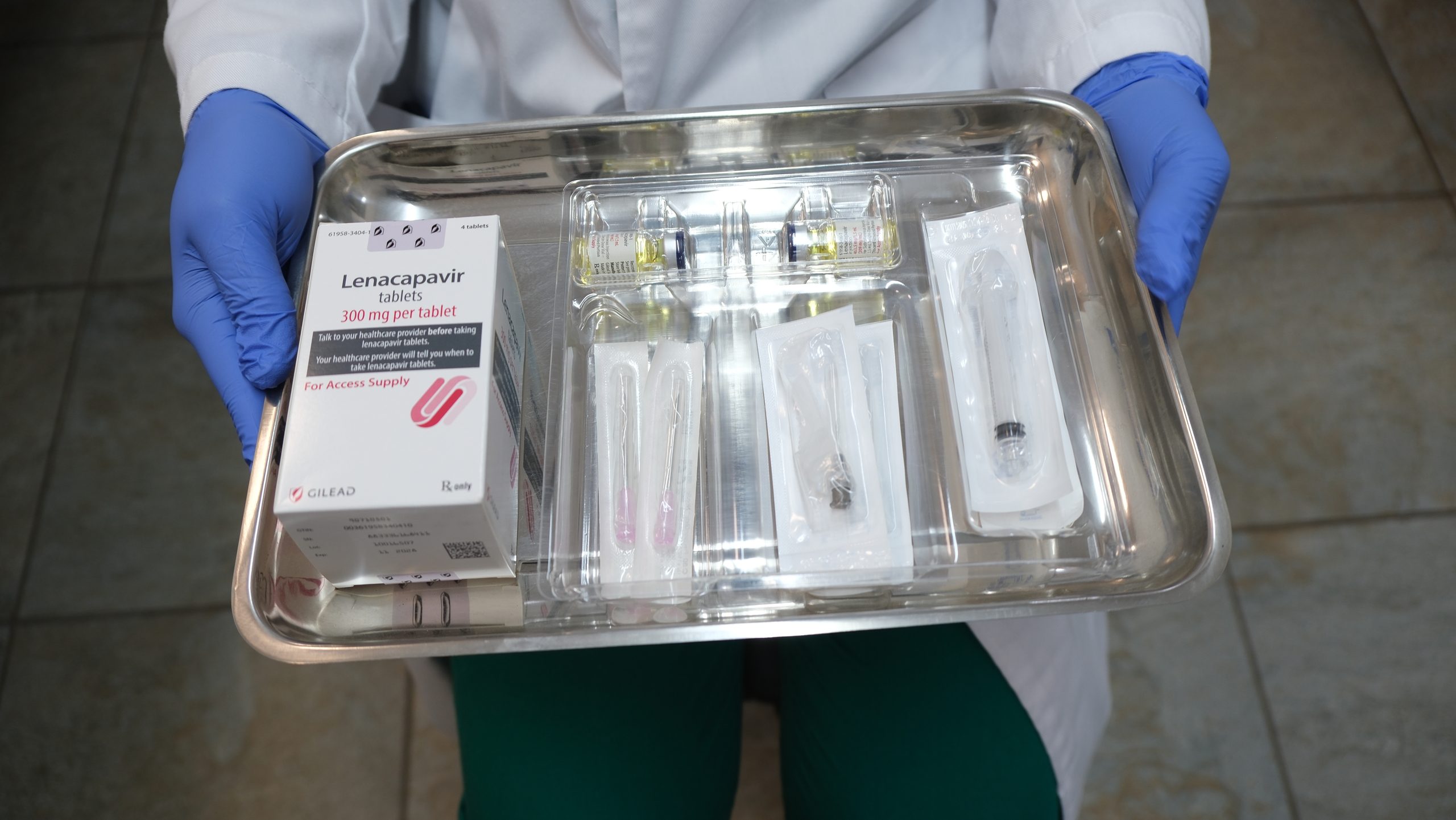
Gilead rakes in huge profits while millions go without HIV prevention medicine
It is unacceptable that the U.S.-based pharmaceutical corporation Gilead Sciences made more than 8 billion in HIV product sales in the third quarter of this year yet continues to block access to the highly effective HIV prevention medicine lenacapavir for millions of people, says Doctors Without Borders/Médecins Sans Frontières (MSF).
Gilead insists on charging high prices for lenacapavir — more than 28,000 per person per year in the U.S. — even though it can be made and sold at profit for less than 40. This severely limits its availability for people who need it most.
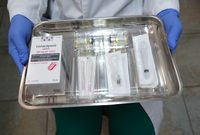
Lenacapavir is an injectable version of pre-exposure prophylaxis (PrEP) that only needs to be given twice a year and is nearly 100 per cent effective in preventing HIV. It is an ideal prevention method for many people who live where MSF operates. This includes people who face stigma, discrimination and exclusion from healthcare, as well as those living in humanitarian emergencies, where access to daily medication or travelling to regular clinic visits can be a major challenge.
This quarter alone, Gilead reported 426.6 million in sales of lenacapavir for PrEPNinety-six per cent was in the U.S. So far this year (January–September), Gilead has made 893.3 million in sales of lenacapavir and is on track to reach a total of 1.4 billion by the end of the year.
“Gilead says it wants to end the HIV epidemic ‘for everyone, everywhere,’ but its actions say otherwise.”
Melissa Barber, MSF global health advocacy and policy advisor
MSF recently launched a campaign calling on Gilead to expand global access to lenacapavir. While the company announced last month an “access pathway” for affordable generic lenacapavir in additional countries, it has not made public any concrete details like how much will be available in those countries or how much it will cost. Gilead remains the sole supplier of lenacapavir worldwide, continuing to sell it at very high prices, severely restricting supply to low- and middle-income countries, and refusing to sell it directly to MSF for use in its medical programs.
Melissa Barber, MSF USA’s global health advocacy and policy advisor, says:
“As Gilead’s HIV sales keep climbing, so do infections in the countries where the company continues to block people from accessing affordable versions of lenacapavir.”
“Gilead says it wants to end the HIV epidemic ‘for everyone, everywhere,’ but its actions say otherwise.”
“Any clinic in New York can order lenacapavir today, but our team in Kenya has only been able to get five doses total, and Gilead refuses to sell to MSF at any price. Its shareholders should be asking why. Over 95 per cent of new HIV infections take place outside the U.S., but over 95 per cent of lenacapavir sales are in it. Again, Gilead’s shareholders should be asking why.”
“Wall Street will cheer Gilead’s numbers today. But from southern Africa to Latin America, our teams on the ground will continue to see people every day who need effective HIV prevention options but can’t access them. What good is a medicine if the people who need it most can’t get it?”
“There is no excuse for Gilead to not make lenacapavir more accessible for people living in high-burden HIV countries.”
“Gilead must stop putting their profits before people’s health.”
The people behind the numbers
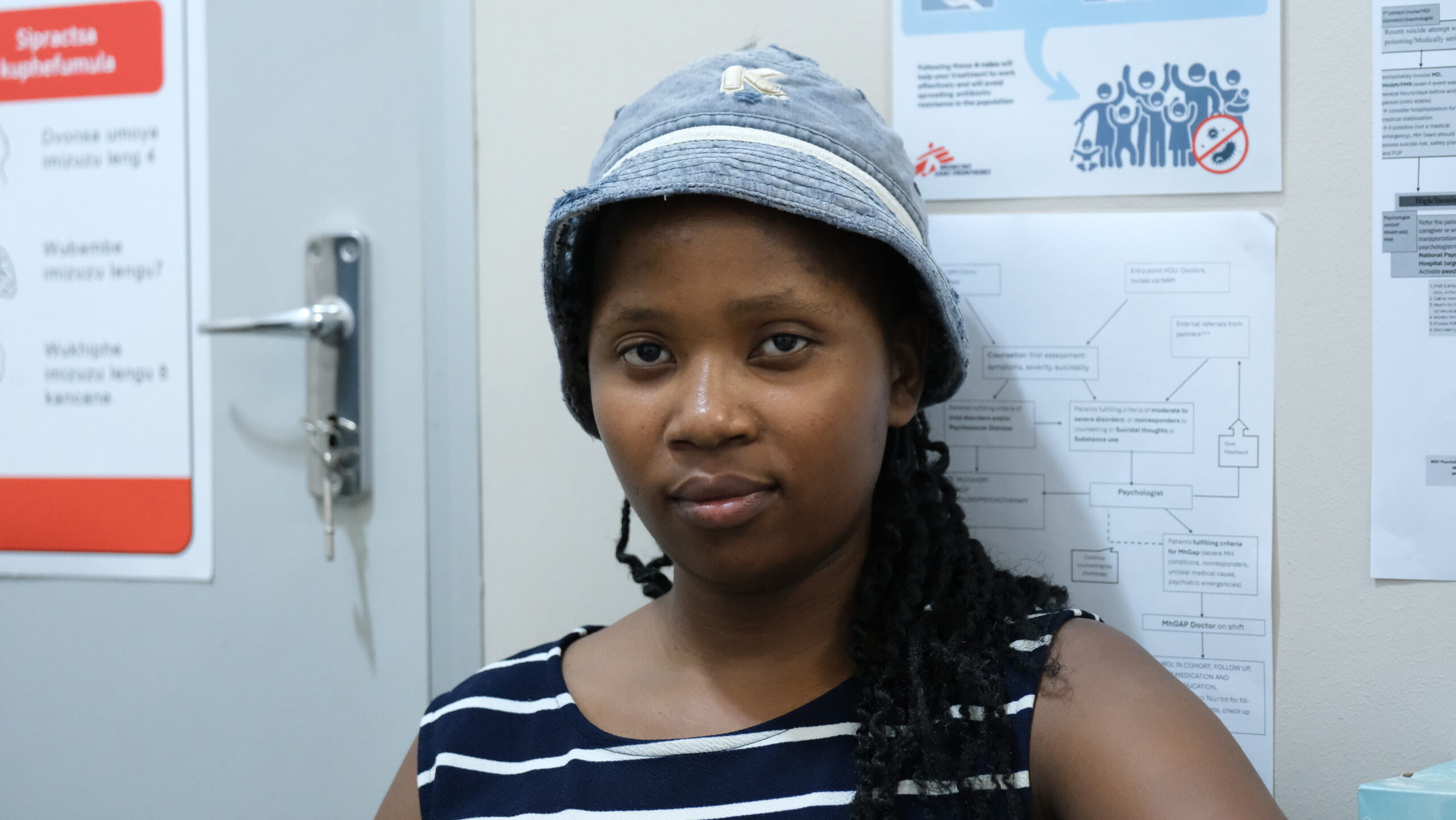
“In our times, a lot of things can happen to you unexpectedly.”
Philiswa Mbingo is a young woman in Eswatini, the country with the highest HIV prevalence in the world: one-quarter of the population aged 15–49 is HIV positive. So, for Mbingo, HIV prevention is important.
“I am a very young woman, and in our times, a lot of things can happen to you unexpectedly,” she says, reflecting on the complex realities many young women face in Eswatini, where women and girls face a high risk of sexual violence.
Mbingo knows about the daily oral HIV prevention medication, PrEP (pre-exposure prophylaxis), but she chooses not to use it. “I do not prefer them,” she says, “as pills give me a hard time.” Instead, she has explored other options.
“My first encounter with PrEP was with the ring, which you insert inside your vagina,” she says, referring to the dapivirine ring, which is replaced every 28 days.
But when Mbingo learned about the long-acting injectable PrEP, lenacapavir, it was a turning point.
“[When] I heard about the six-month PrEP injection [lenacapavir] it made me very happy,” she says. While MSF cannot buy lenacapavir, Eswatini’s Ministry of Health has been allocated a limited number of doses, which she was able to obtain at an MSF clinic.
What appeals to Mbingo about lenacapavir is the extended protection it provides, which reduces the need for frequent clinic visits. “I can stay a long time with the PrEP injection in my system — for six months. I only take the injection two times a year.”
Beyond convenience, Mbingo believes the injectable option is more effective. “Another thing that [convinced me to take] the injection is that it works better compared to the ring.” Lenacapavir, the biannual PrEP injection, has been proven to be nearly 100 per cent effective in preventing HIV.
“It is better to prevent than to treat,” Mbingo says.
But despite lenacapavir’s appeal and convenience, the medication is not an option for many people in Eswatini — and around the world — because Gilead’s supply restrictions.
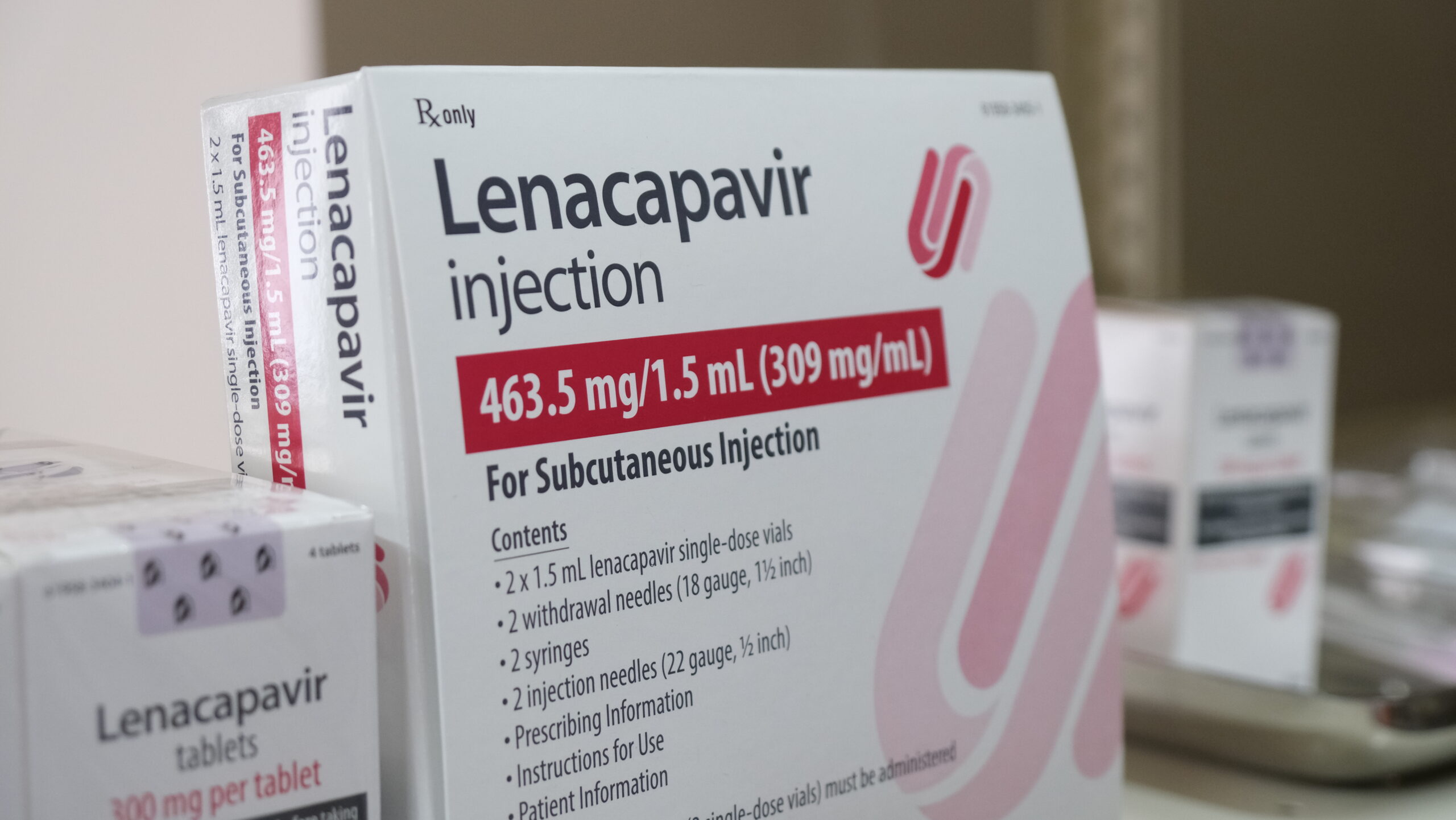
“If it was available, I would take it.”
Every day, *Thembi makes decisions that will protect her future. “I am a person who is conscious about my body and my health,” she says.
Thembi believes everyone should have the opportunity to protect themselves, including through HIV prevention.
Like many young women in Zimbabwe, Thembi understands the realities of HIV. She knows how the virus is transmitted and the importance of safer sex, as well as prevention medicines such as PrEP and PEP (post-exposure prophylaxis). She recently learned about long-acting HIV prevention injections like cabotegravir (CAB-LA) and lenacapavir, which don’t require taking a daily pill.
“I really want the injection,” she says. But wanting protection and getting it are two very different things.
Thembi has been unable to obtain the injections, not because of fear or hesitation, but because she lacks access. With limited supplies in her community , programs prioritize people who are already taking the injections and need to continue their doses. New patients like Thembi simply don’t have the opportunity.
When it comes to lenacapavir, “very few people are being considered,” she says. “If it was available, I would take it. I would go for it when I am positive that the supply is not erratic and that I do not have to wait in long and winding lines to access it.”
Thembi’s story reflects the experience of the many others who are ready to benefit from the latest advances in HIV prevention but remain locked out due to their scarcity and restricted access.
*Name has been changed to protect identity