Somalia and Ethiopia: Drought, displacement push millions of people to the brink
MSF is responding to drought in Somalia and Ethiopia’s Somali Region, where health systems are overstretched.
In November 2025, Somalia’s federal government declared a national drought emergency. More than 6.5 million people, approximately one in every four Somalis, now face high levels of acute food insecurity, according to the Integrated Food Security Phase Classification (IPC). More than two million people are in IPC Phase 4, indicating extreme food gaps and a high risk of malnutrition and death. Over 1.84 million children under five are expected to suffer acute malnutrition in 2026 in the country.
“We were displaced because of the drought,” says Regay Ali, who left her home in Weelbelil, around 160 kilometres from Baidoa, Southwest state, Somalia. She borrowed money from neighbours to reach a displacement camp in Baidoa town. “We do get water, but it’s not enough: two jerrycans — per day — for washing, bathing, cooking and drinking. Even five would not be enough. Hunger is weighing heavily on us. We were displaced because of hunger and where we are now, we still don’t have enough.”
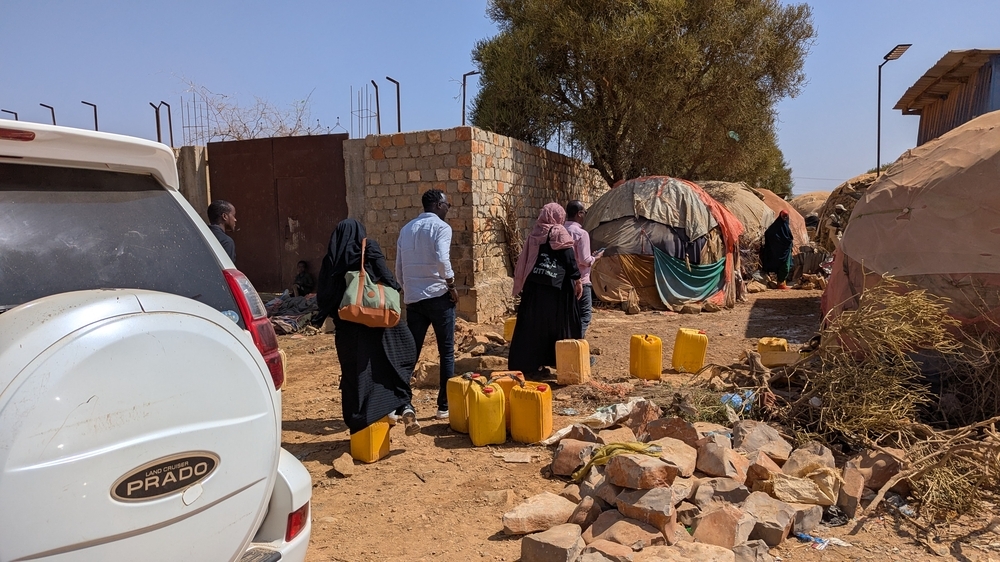
Approximately 3.3 million people like Regay are internally displaced across Somalia due to drought and conflict. More than 50,000 people have crossed into Ethiopia in search of water and assistance, according to the UN refugee agency. Displacement sites around Baidoa and Galkayo are filling rapidly; water prices have risen beyond what most families can afford.
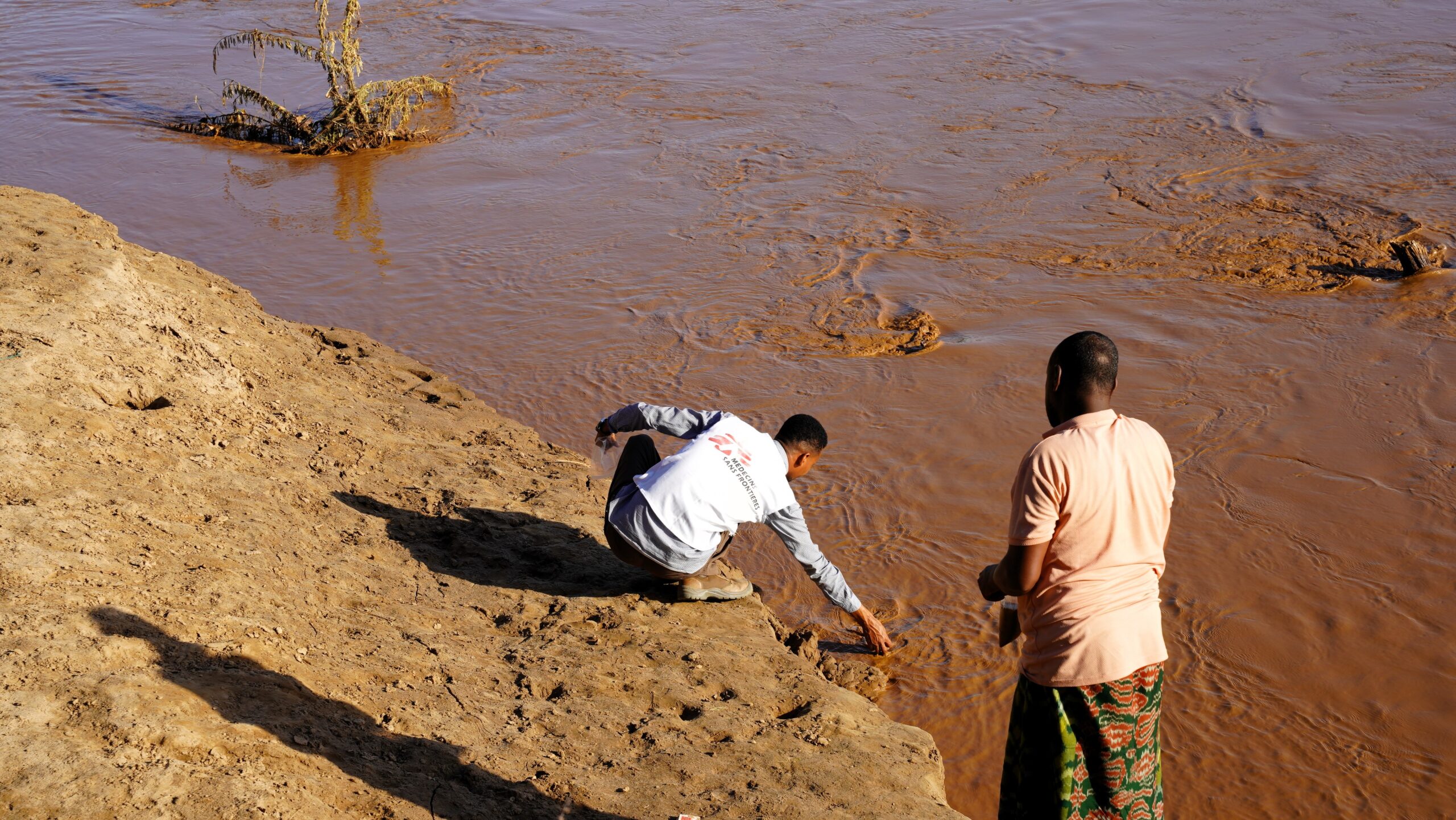
The risk of waterborne diseases is also rising due to high numbers of people using the same limited and, at times, unsafe water sources. According to the UN Office for the Coordination of Humanitarian Affairs (OCHA), in Puntland, where Galkayo is located, approximately 170 boreholes and shallow wells were non-functional as of December 2025, severely limiting access to safe water for communities already under extreme pressure.
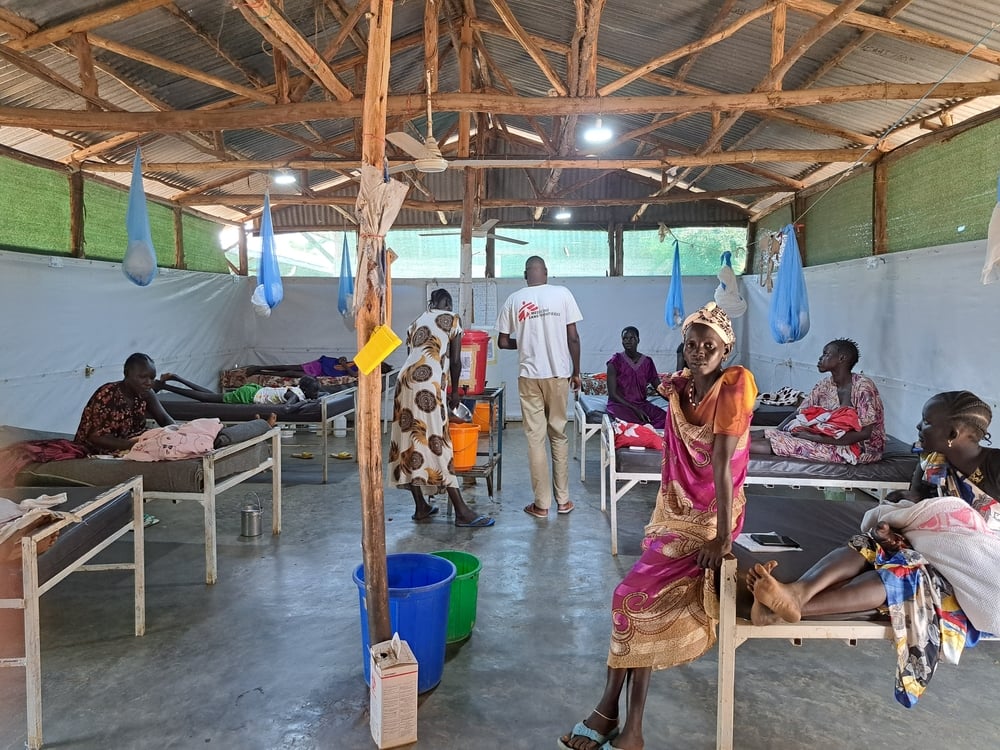
At Doctors Without Borders/Médecins Sans Frontières (MSF)’s facility in Baidoa, we are already recording an alarming number of children with severe malnutrition, with the hospital overwhelmed and treating patients beyond its capacity. This sharp rise at the very start of the lean season signals a worsening situation in the months ahead.
Drought crisis in Ethiopia’s Somali region
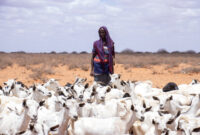
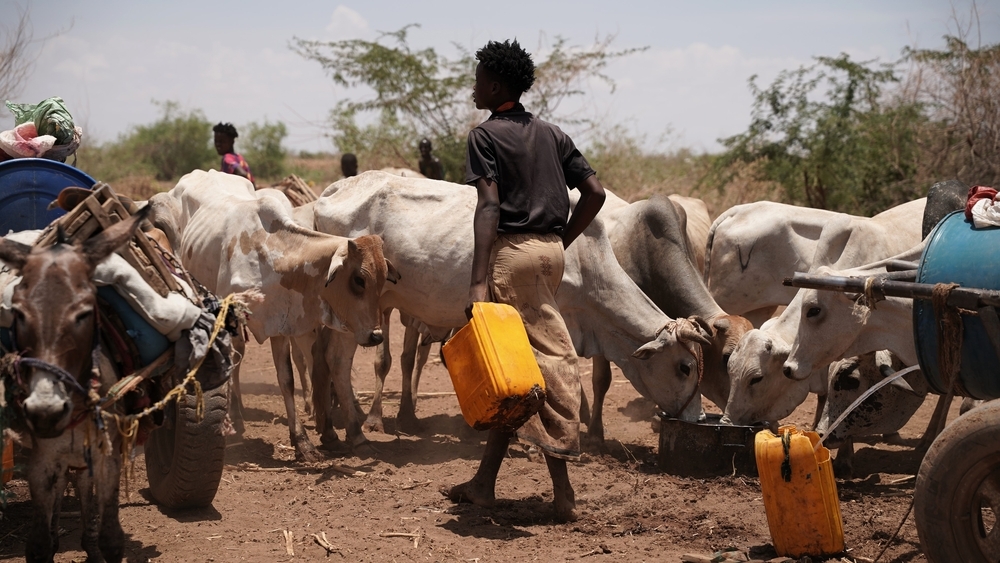
The consequences of failed rainfalls go beyond Somalia’s borders. Gu is the name of the rainy season in East Africa. According to the 2025 Gu seasonal needs assessment report for Ethiopia’s Somali region, the area is experiencing the same pattern as similar rainfall deficits that have severely affected pastoral and agropastoral communities. In the south, particularly in Afder Zone and Shebelle Zone, dry lowlands near the Somalia border and repeated insufficient rains have resulted in livestock losses, acute water shortages and rising food insecurity. Pastoralist communities have lost their livelihoods and competition over scarce water resources is increasing.
“Most people in this community were rearing livestock: that was how we survived,” says Isaq Ibrahim Mohamed, a resident of Barey district in Afder Zone. “When the rain stopped, we lost our livestock and people fled to wherever they could find water to survive. Our lives are so harsh, because there is nothing to depend on. People walk an hour or more just to fetch water from rivers and we share it with the animals. We see diarrhea and malnutrition.”
Local health system overstretched
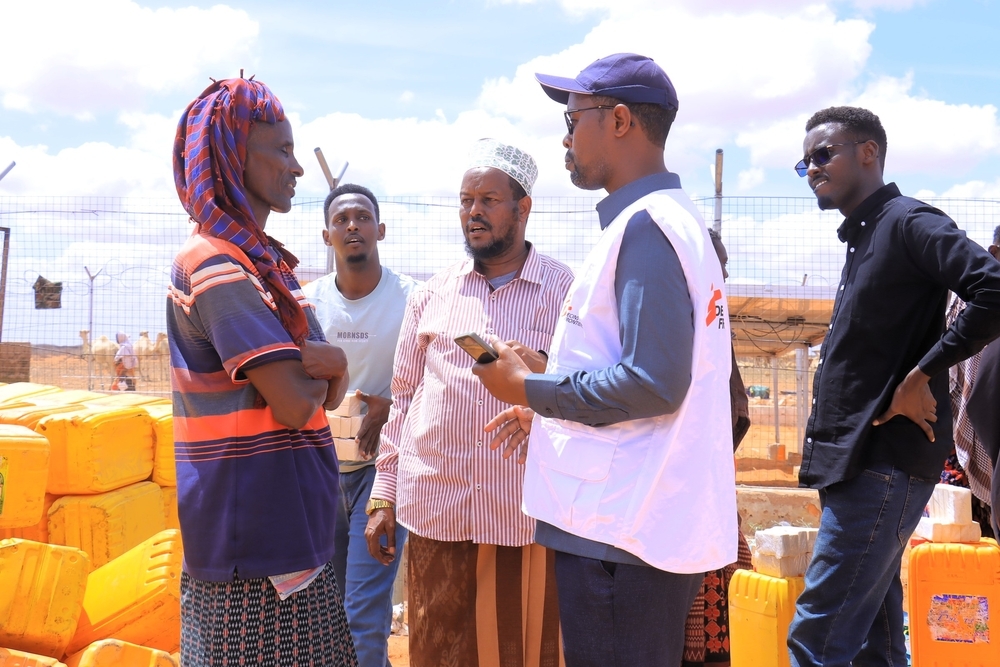
During an assessment led by the Ethiopia’s Somali Region Health Bureau, in collaboration with MSF, in Afder and Shebelle zones, our teams identified urgent gaps in water and nutrition services, as local health capacity is overstretched. This situation is aggravated as more medical and humanitarian organizations withdraw due to funding shortages, while rising fuel prices linked to the escalation of conflict in the Middle East and limited supply chain movement further constrain the response.
“From the areas we assessed with the regional health bureau, we saw a high number of malnutrition admissions in the existing facilities,” says Abdullahi Mohammad Abdi, MSF deputy medical team leader in Ethiopia. “What we are seeing on the ground is a reduction of the services that patients previously received, as partners scale back due to global funding cuts and shortages. This has created a heavy burden on the existing system. Water and sanitation programs are the ones most affected.”
MSF is collaborating with local health authorities on nutrition and water and sanitation activities in Barey district. MSF is also planning to expand the support to Shebelle Zone.
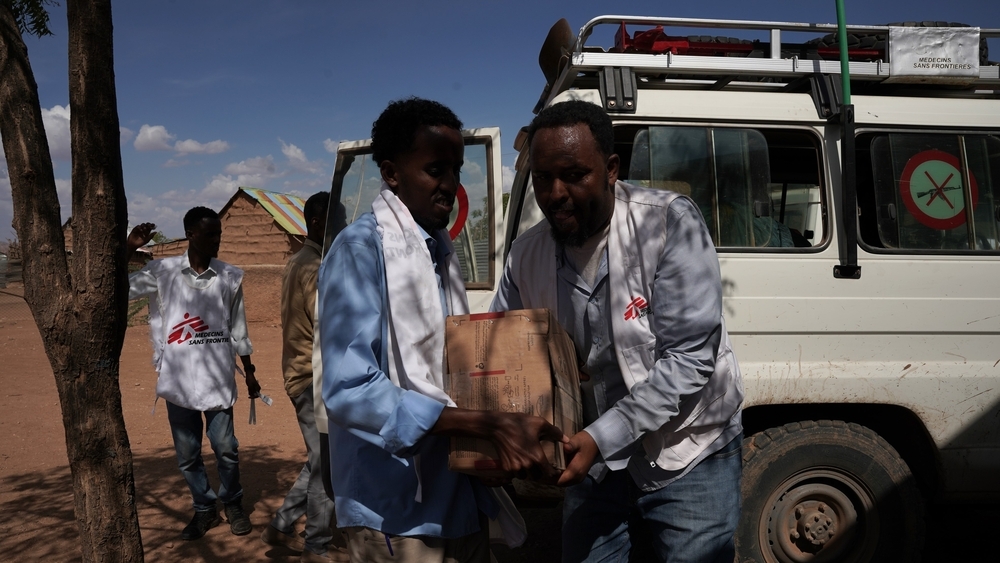
In Somalia, MSF has been responding to the drought emergency since December 2025. In Baidoa, more than 30 million litres of safe water have been distributed to over 21,000 people across 17 displacement sites. In Mudug, MSF is providing three million litres of drinking water, as well as sanitation and hygiene support to nearly 11,000 people near Galkayo, including borehole rehabilitation and hygiene kit distribution.
Consequences of global funding cuts
Just as the needs are increasing, global funding support has collapsed. Somalia’s Humanitarian Needs and Response Plan for 2026 is funded at only 10.9 per cent according to OCHA. World Food Program has cut emergency food assistance from over two million people to just over 600,000. Only one in seven people in Somalia in need of food assistance is now receiving it. More than 300,000 people have lost access to safe water as a direct result of this underfunding and over 70 health facilities in Puntland have closed.
“What we are witnessing across the displacement sites is a scale of need that exceeds what any single organization can address alone,” says Mohammed Omar, MSF head of programs in Somalia. “People are arriving every day and resources are not keeping pace. We call on the international community and governments to urgently step up their support now, with sustained and flexible funding, before more lives are lost to entirely preventable causes.”
MSF calls on donors to immediately restore and increase funding for the humanitarian response across Somalia and Ethiopia’s Somali Region, where four consecutive failed rainy seasons have pushed millions to the edge of survival. The withdrawal of aid at this moment is not inevitable. It is a choice and it is costing lives.