Sudan: Mental health recovery possible, staying on treatment harder
Services help people regain stability, connection.
Tariq Salam would sometimes spend three or four hours walking alone under the hot sun. He had become increasingly isolated, avoiding social gatherings and conversations and spending much of his time on his own.
“Before treatment, things were very difficult,” says Salam. “I avoided people and preferred to be alone, sometimes walking for hours by myself.”
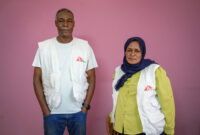
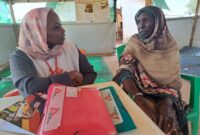
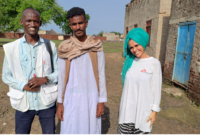
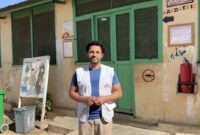
Hiyam Abdel Ghani, a Doctors Without Borders/Médecins Sans Frontières (MSF) mental health counsellor in Ad-Damazin, says Salam was experiencing psychosis and severe depression and had become almost completely withdrawn from those around him.
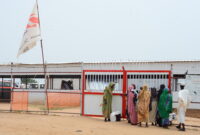
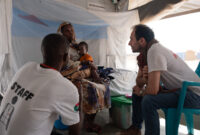
His mother helped him take the first step towards care. After hearing from a neighbour about MSF’s mental health services at Karama 6 camp, she brought Salam to the centre from a nearby community.
Abdel Ghani remembers that during his first visits, Salam barely spoke. His mother did most of the talking for him.
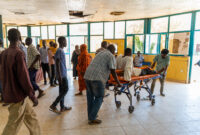
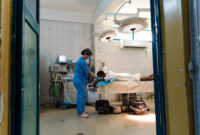
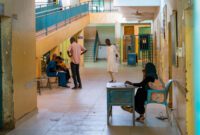
After receiving counselling and follow-up care at the centre, Salam was referred to the trauma centre at Ad-Damazin teaching hospital for specialized care. He began treatment there while continuing regular follow-up with the MSF team at Karama 6.
Over time, Salam began to notice a difference.
“I started to feel better early in my treatment, so I continued,” says Salam. “I’m still receiving treatment today.”
Abdel Ghani has seen the change too. Salam now speaks and interacts more with others and takes better care of himself and his appearance. One particular change stands out to her: he now comes to his follow-up appointments on his own. When he first arrived, his mother accompanied him and often spoke on his behalf.
“Sometimes I just don’t have enough money to buy my medication.”
Tariq Salam, MSF patient
For Salam, one of the clearest signs of progress is being able to socialize again.
“I’ve gradually started being around people again, sitting with them and chatting,” says Salam. “I feel better now.”
But continuing treatment is not always easy for Salam. Medication is not always available, and when it is, he cannot always afford it.
“Sometimes I just don’t have enough money to buy my medication,” says Salam.
This comes as funding cuts have further reduced mental health services in Blue Nile. Earlier this year, the only referral centre providing advanced mental health care lost partner support after a nongovermental organization was forced to withdraw from the area.
Abdel Ghani says these difficulties can leave Salam distressed. The war has brought another challenge: displacement has separated him from his wife and children, who are now living in South Sudan.
For Salam, access to mental health care is therefore only part of the journey. Staying on treatment can also depend on whether medication is available and affordable, while displacement continues to affect his family life.
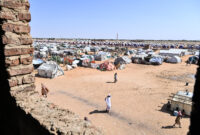
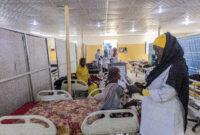
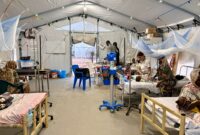
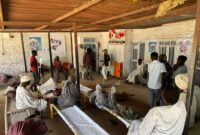
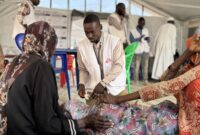
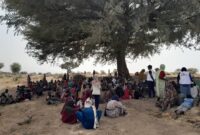
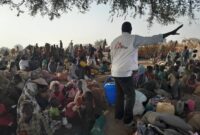
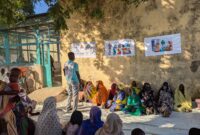
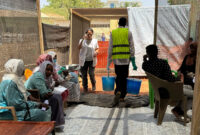
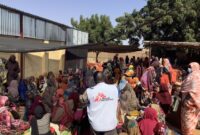
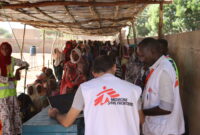
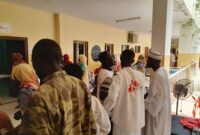
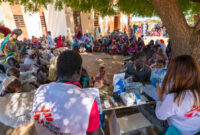
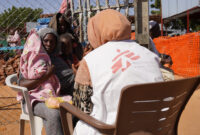
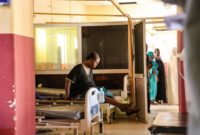
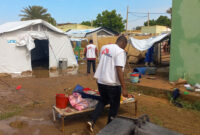
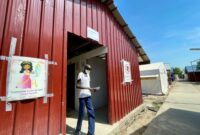
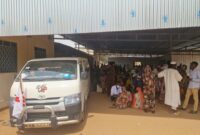
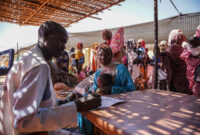
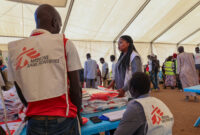
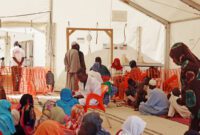
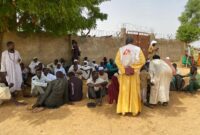
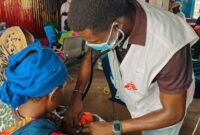
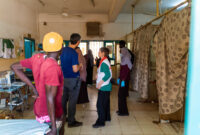
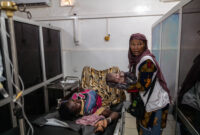
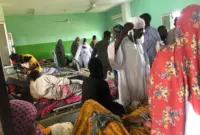
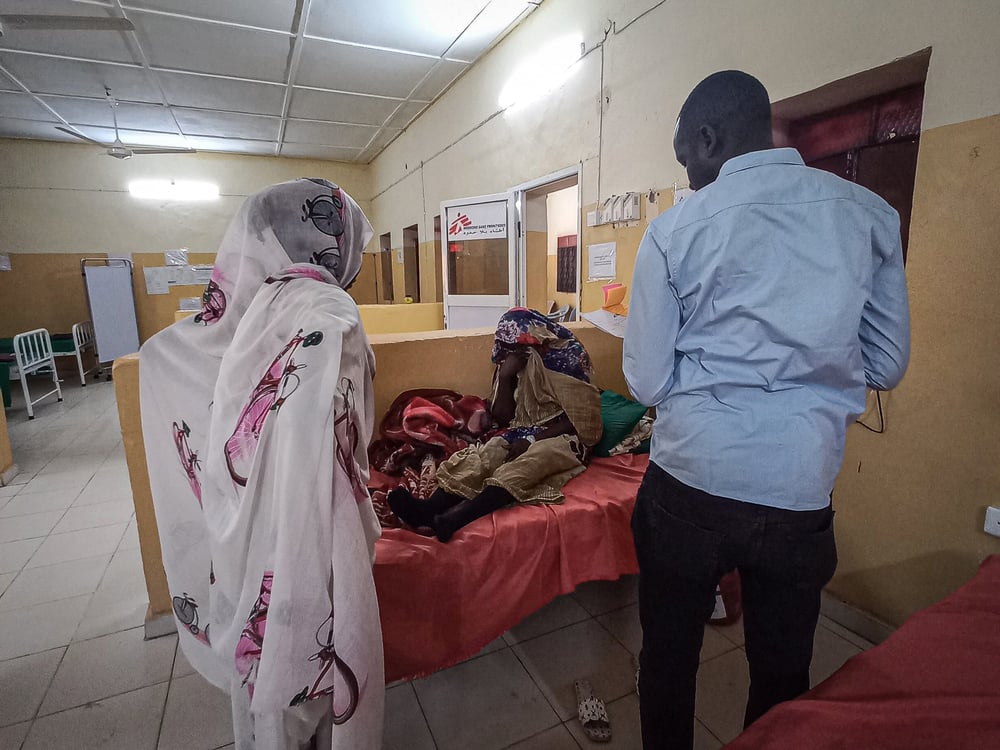
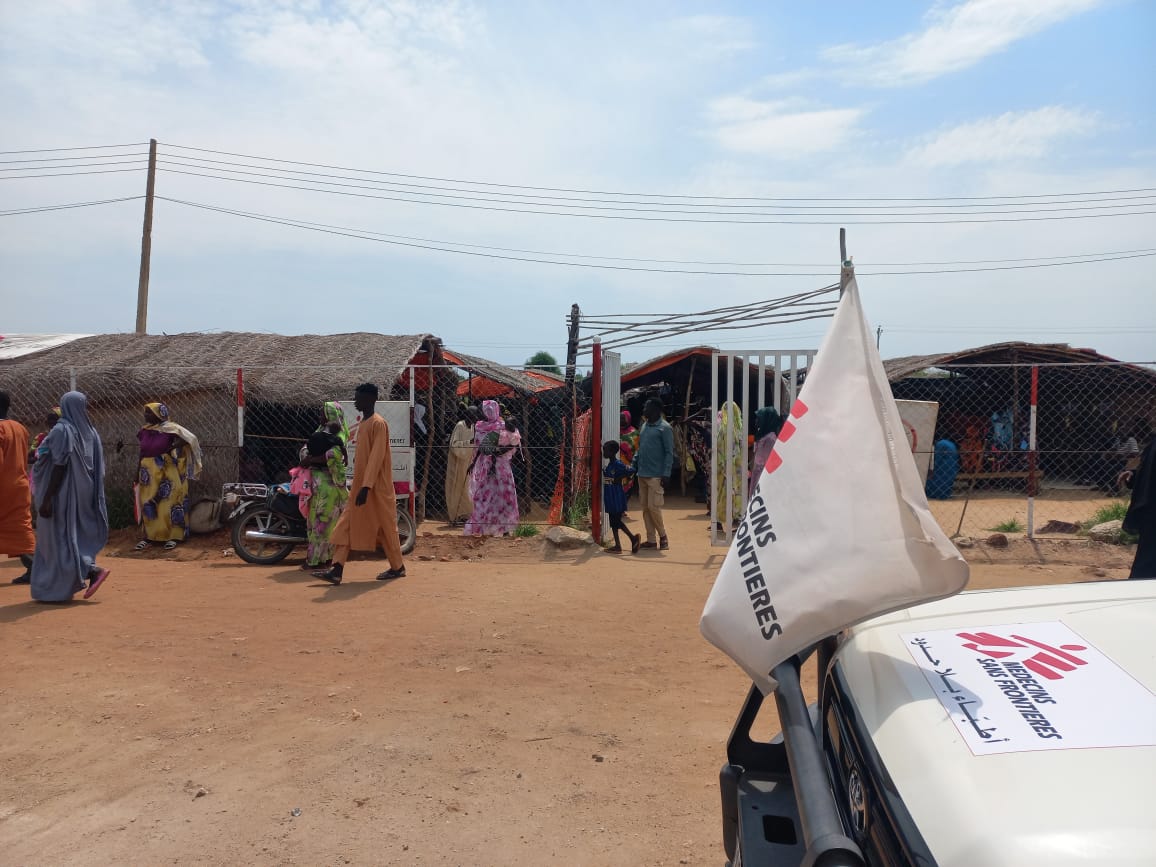
In Ad-Damazin, Blue Nile state, MSF offers mental health support at a permanent centre in Karama 6 camp and through activities at other project sites, including the malnutrition ward at Ad-Damazin hospital. People can access individual support and follow-up care, while those who need more specialized care are referred to the trauma centre at Ad-Damazin teaching hospital. MSF also provides transport to and from the centre for referrals.
*Names have been changed to protect privacy.
Related news

Sudan: No safe place for women and girls in Darfur, MSF report finds