Genocide in Gaza
An unprecedented humanitarian crisis continues to unfold in Gaza.
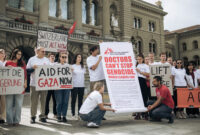
The war in Gaza has turned a chronic humanitarian crisis into a catastrophe. Doctors Without Borders/Médecins Sans Frontières (MSF) teams are clear: we are witnessing Israel commit genocide.
MSF teams are seeing firsthand the campaign of ethnic cleansing of Palestinians being pursued by the Israeli military in Gaza.
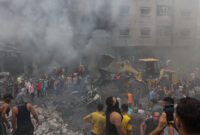
Our staff have worked to treat wounded people and supply overwhelmed hospitals as indiscriminate airstrikes and a state of siege threatens millions of people, including children.
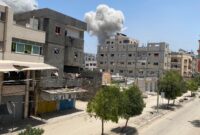
Despite the ceasefire agreement which came into effect on Oct. 10, 2025, Israeli forces continue to kill and injure Palestinians with drones, airstrikes and shootings.
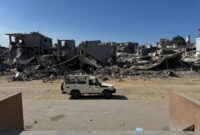
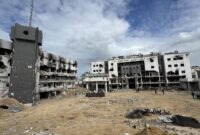
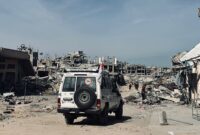
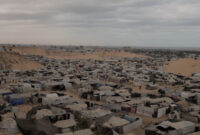
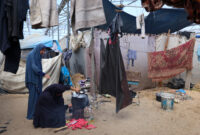
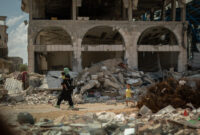
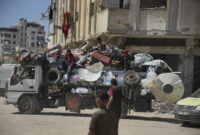
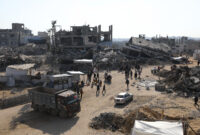
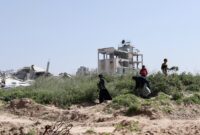
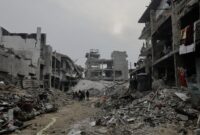
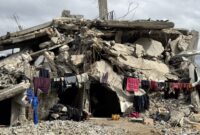
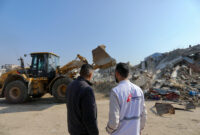
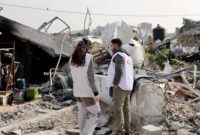
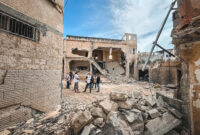
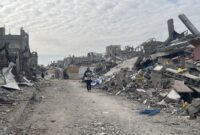
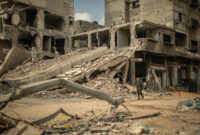
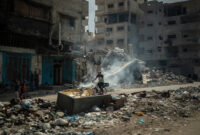
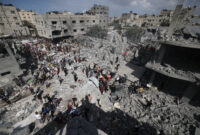
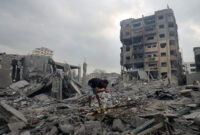
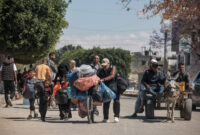
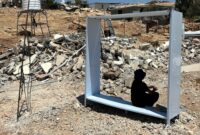
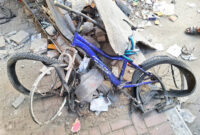
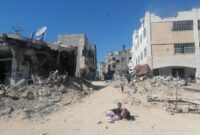
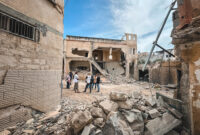
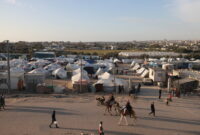
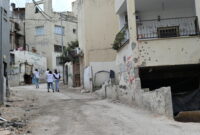
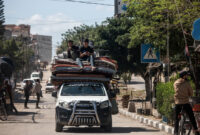
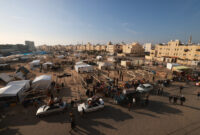
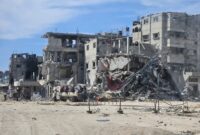
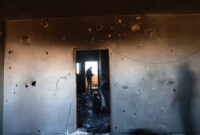
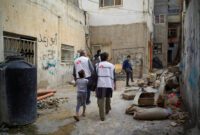
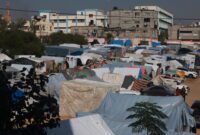
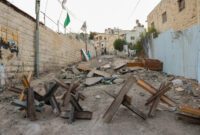
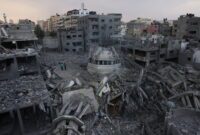
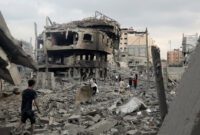
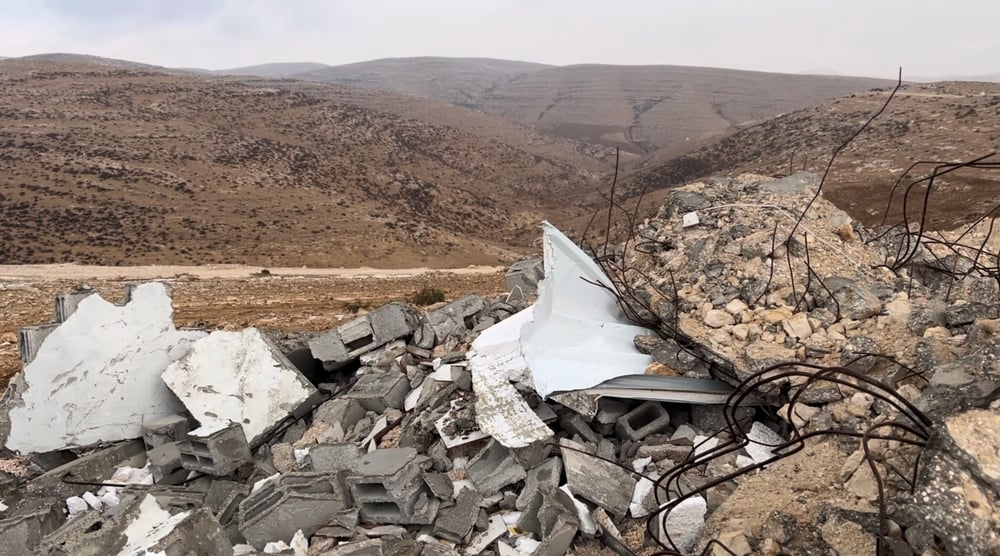
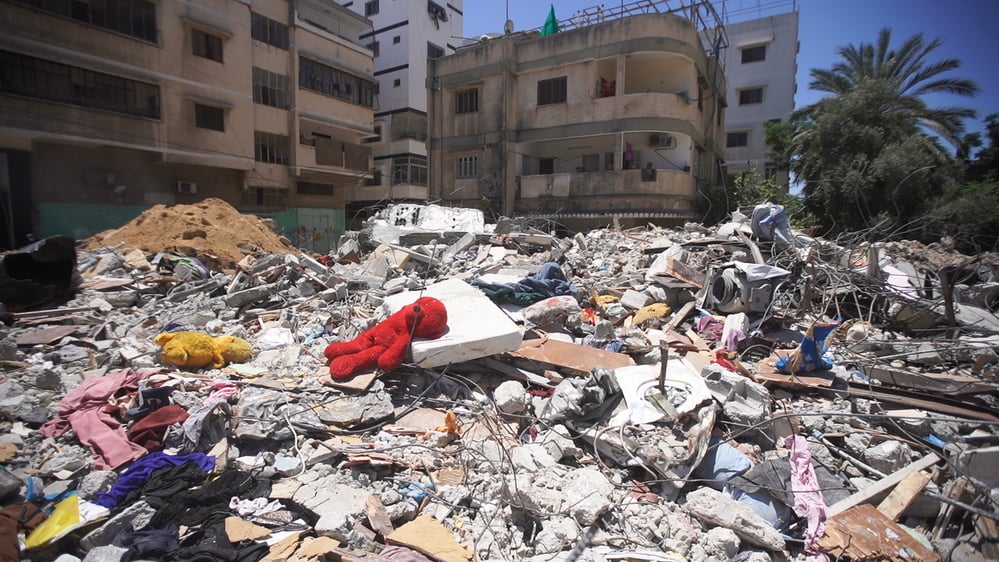
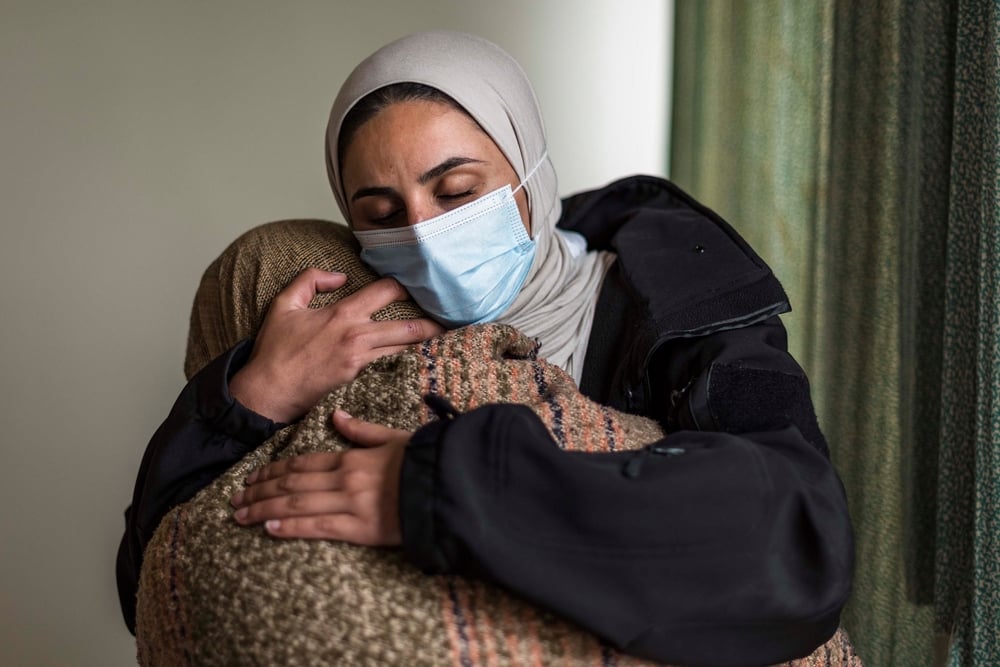
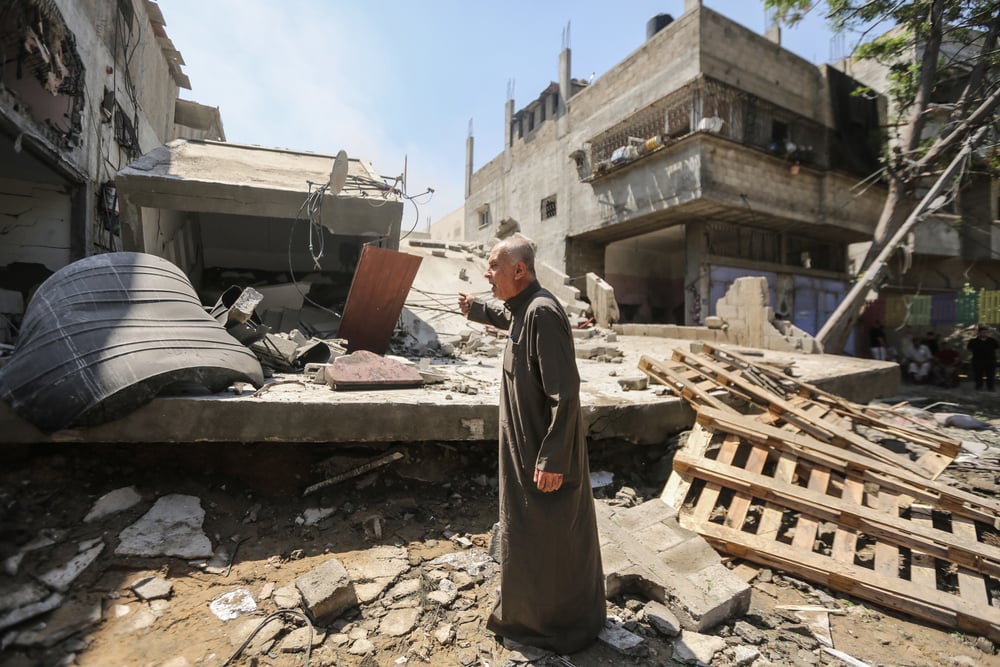
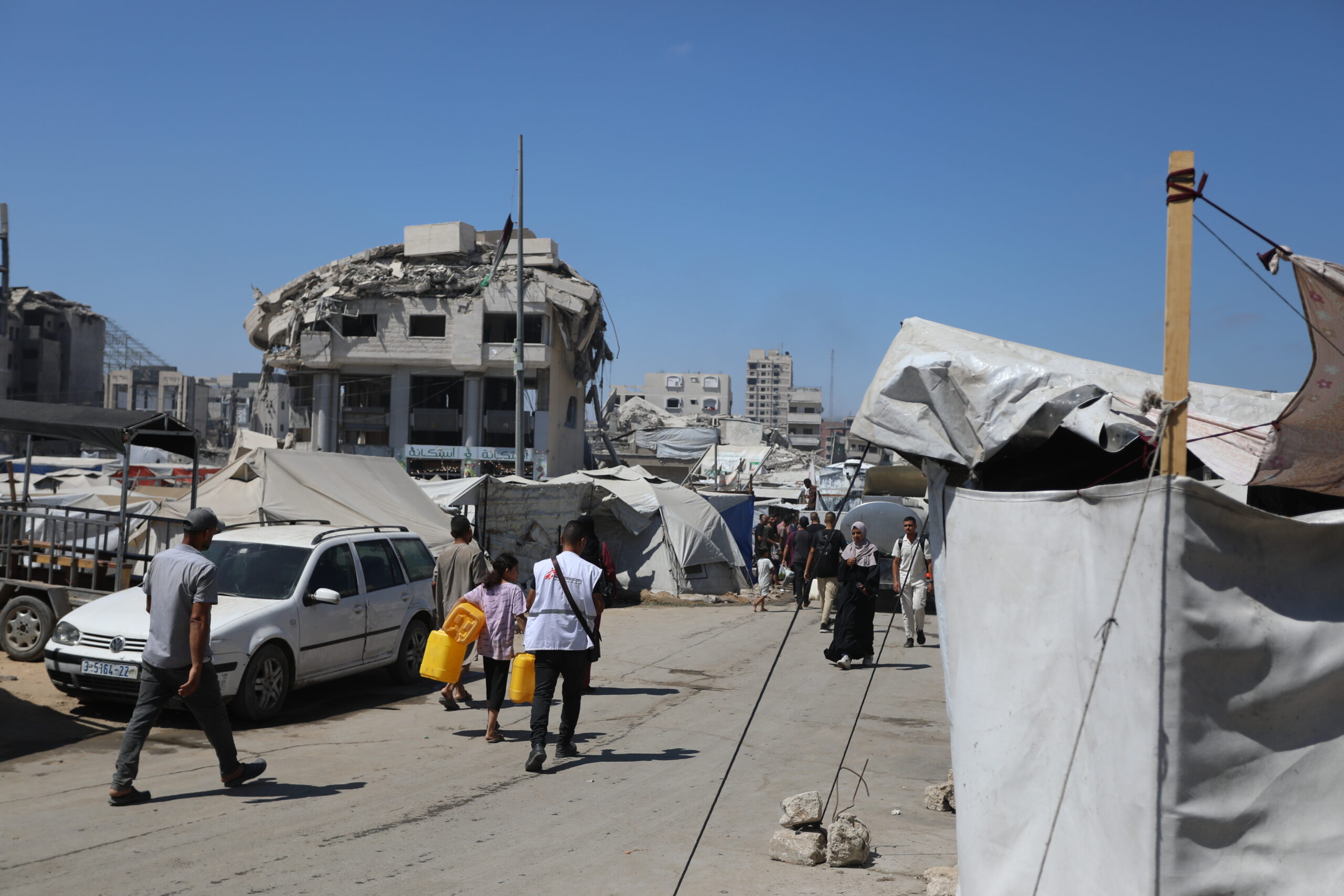
Families displaced from their homes on multiple occasions are now experiencing another devastation: returning to find nothing left, their homes and sometimes whole neighbourhoods razed to the ground.
We are horrified by the events that exploded on Oct. 7, 2023 – both the brutal mass killing of civilians perpetrated by Hamas in Israel and the relentless assault on Palestinian people in Gaza.
[Disclaimer] *Content accurate as of February 18, 2026. Given evolving administrative and access conditions in Gaza/West Bank, MSF’s registration and operational context may change. This content reflects the most current information available at the time of publication.
What is happening in Gaza?
As of December 2025, over 70,000 people have been killed in Gaza, including 15 MSF staff.
Palestinians in Gaza are near fully reliant on aid for basic survival. Although commercial trucks are entering the Gaza Strip, the amount of goods allowed in by Israeli authorities is far from sufficient, is deliberately blocked and continues to keep Palestinians lives hanging by a thread.
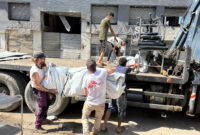
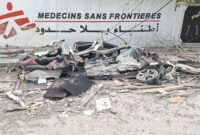
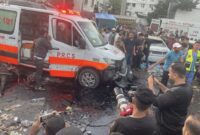
Our teams have seen: the deliberate targeting of medics and hospitals; the use of starvation as a weapon of war with a blockade starving people of food, water, fuel and medical supplies; the militarization of aid; and the massacre of starving people lining up for aid.
In short, we are witnessing a genocide.
Through deliberate actions — including forced displacement, annexation, and mass killings — Israel is systematically destroying the conditions necessary for Palestinian life.
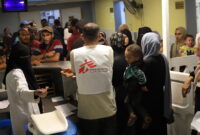
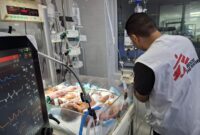
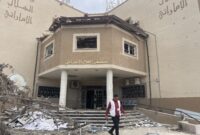
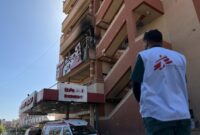
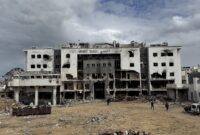
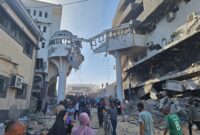
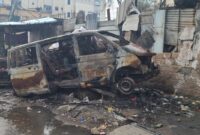
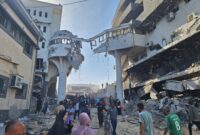
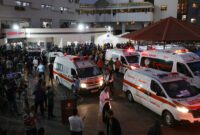
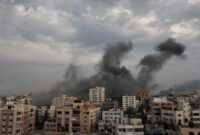
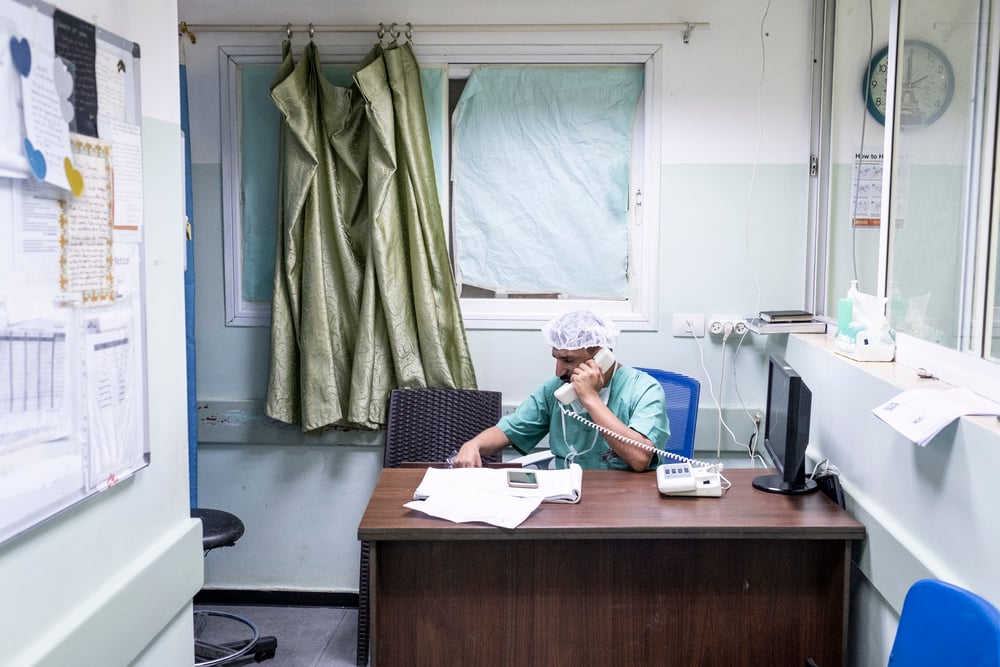
Much of Gaza’s civilian infrastructure has been intentionally destroyed. Hospitals have been completely overwhelmed and have faced running out of critical supplies. Some medical facilities have been hit by indiscriminate bombing while others have been under siege.
We are witnessing a campaign of ethnic cleansing as the very fabric of society and Palestinian life is being wiped away in Gaza.
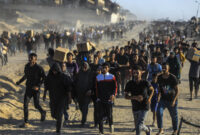
This campaign not only displaces Palestinians on a massive scale but also seeks to deny them — and future generations — their right of safe return, effectively erasing entire communities from the map.
Israel is now taking steps to stop the work of MSF and other NGOs in Gaza and the West Bank, by threatening to withhold registration.
What is MSF doing in Gaza?
We currently have over 1,000 staff members in Gaza and over 170 in the West Bank.
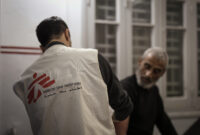
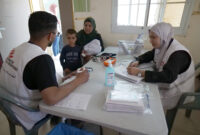
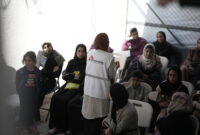
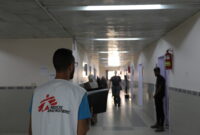
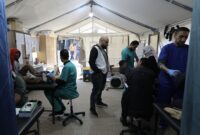
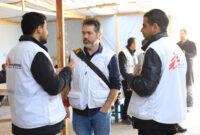
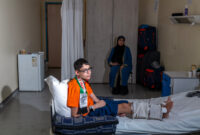
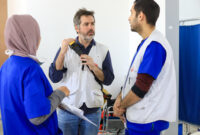
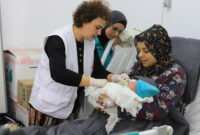
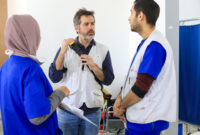
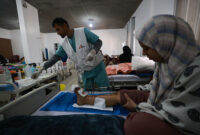
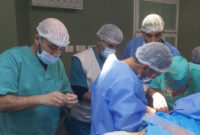
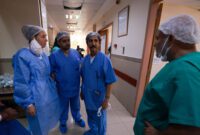
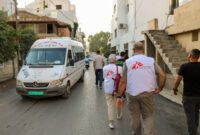
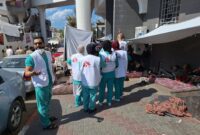
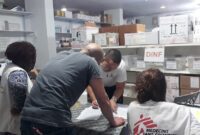
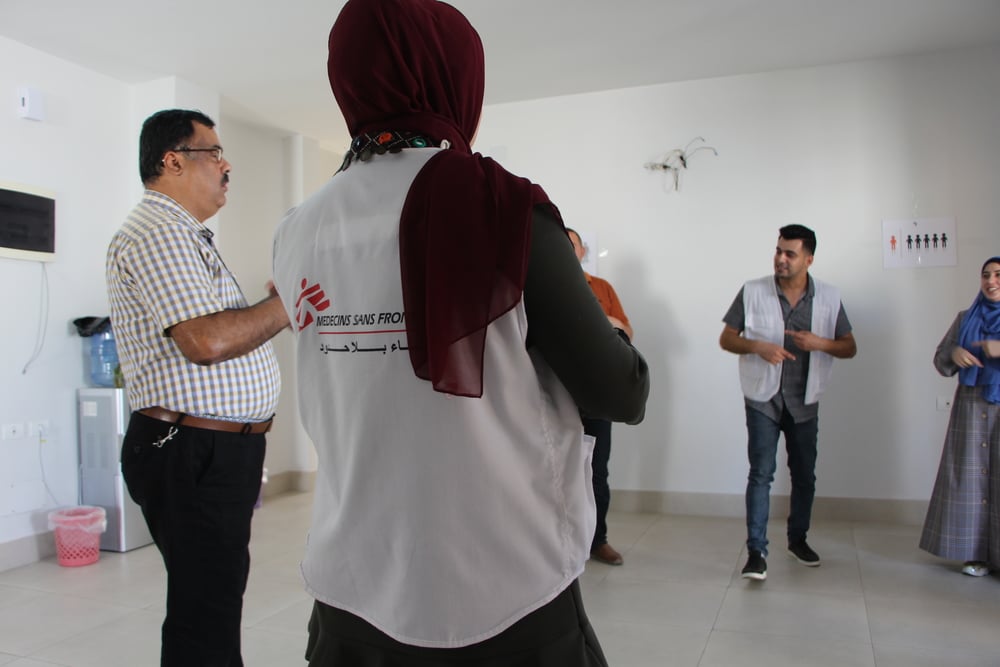
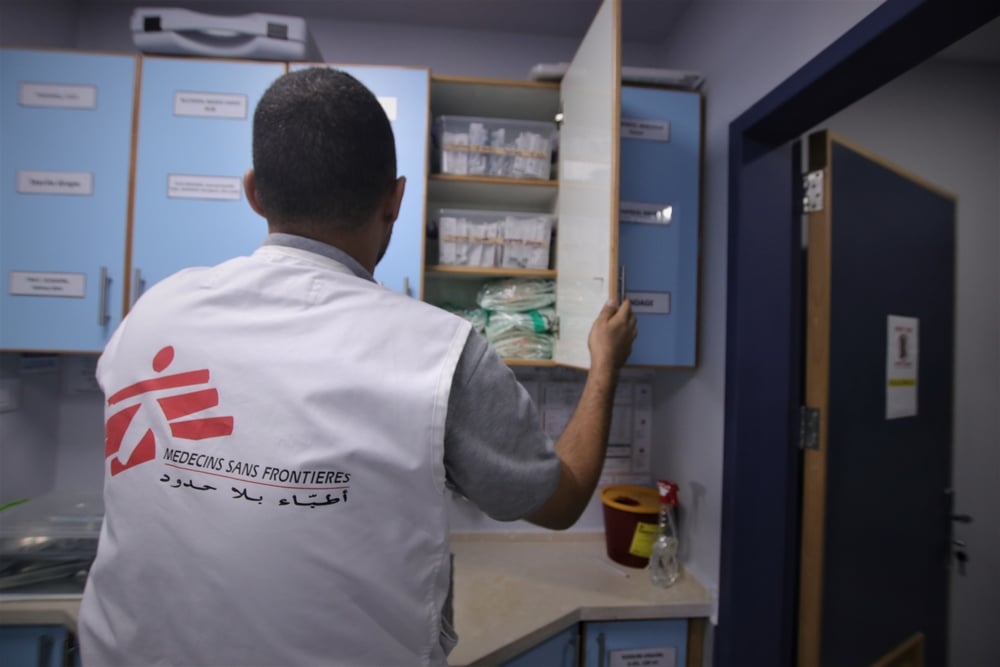
The majority of our Gaza team are Palestinian, and many have now lost homes or family members in the violence. Throughout the war, MSF staff have been working at hospitals and clinics, providing essential medical aid that includes:
- surgical care;
- wound and burn care;
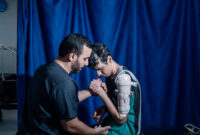
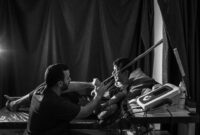
- physiotherapy;
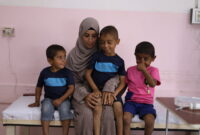
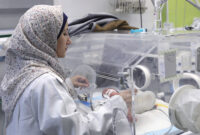
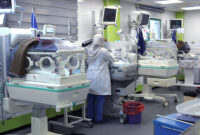
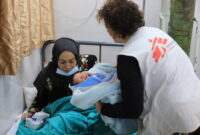
- maternity and pediatric care;
- sexual and reproductive; health services;
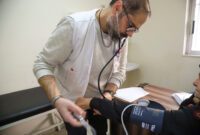
- outpatient consultations;
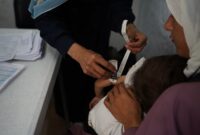
- vaccination;
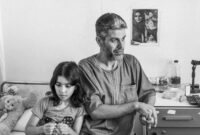
- mental health support;
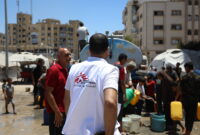
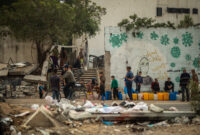
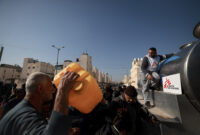
MSF teams are also doing water distribution.
However, massive challenges related to supply as well as sieges and evacuation orders on various hospitals are pushing our activities onto an ever-smaller territory and limiting our response.
Medical services
Between October 2023 and Nov. 22, 2025, MSF has worked to bring lifesaving healthcare to people in Gaza where possible, including:
outpatient consultations

people treated for diarrhea

surgical interventions

inpatients admitted

prenatal consultations

individual mental health consultations

non-communicable disease consultations
births assisted
Other humanitarian activities
Water and sanitation
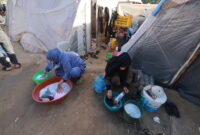
Between January and the end of November 2025, MSF has distributed over 719 million litres of water and has produced over 99 million litres of clean water through desalination.
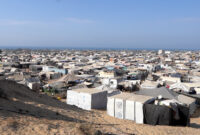
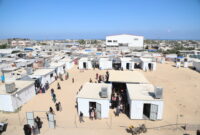
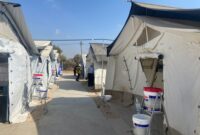
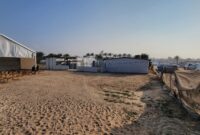
In partnership with local organization the Agriculture Development Association, known as PARC, we have implemented water and sanitation activities in camp shelters in Deir El Balah and Khan Younis. This includes:
- building latrines
- supplying hygiene kits
- providing water treatment units
- supporting a camp hosting 70 families (400 people total) of people living with disabilities with accessible latrines and showers.
What is MSF calling for?
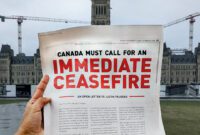
- The genocide in Gaza must stop. The blockade must be lifted to allow the delivery of independent humanitarian aid at scale.
- The immediate protection of medical workers and health facilities, including the immediate release of detained health workers and the full respect of international humanitarian law.
- A clear and predictable medical evacuation system must be urgently established – with safe passage, no family separation and safe and voluntary guaranteed return to Gaza after treatment. Furthermore, people who want to leave Gaza must be allowed to do so – provided their right to safe and voluntary return is guaranteed.
- Governments must stop sending weapons to Israel that are used to kill and main our patients and to sustain its genocidal campaign.
- Israel must end all coercive measures aimed towards annexation.
- Israel must begin following the binding orders from the International Court of Justice to take immediate action to prevent genocide.
What is MSF seeing in Gaza?
The situation in Gaza has been described by our teams as ‘apocalyptic’.
MSF is witnessing clear signs of ethnic cleansing as the very fabric of society and Palestinian life is being wiped away in Gaza. We are seeing firsthand the medical and humanitarian catastrophe being inflicted on people in the Gaza strip, including the full blockade of aid, forced displacement, mass killings, severe physical and mental health injuries and impossible conditions of life for Palestinians under siege and bombardment.
Despite the ceasefire agreement, violence and killing remain a daily reality. Israel maintains its blockade, preventing sufficient aid from entering the Gaza Strip, depriving people of the essentials they need to live, and prolonging this genocide.
Medical and humanitarian needs in Gaza are immense and continue to skyrocket as Israeli authorities maintain their inhumane siege of Gaza.
MSF teams continue to treat huge numbers of people across the Gaza Strip, delivering 38,500 consultations and admissions between Nov. 16 and 22, 2025 alone. This includes outpatient consultations, emergency room consultations, trauma care, mental health, sexual and reproductive health, births, acute watery diarrhea, consultations for non-communicable diseases, inpatient care and surgical care.
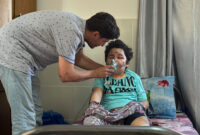
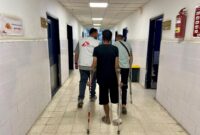
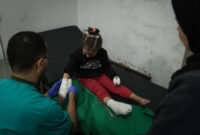
Although at a lower level, violence has not stopped and our teams regularly treat patients with explosive injuries or gunshot wounds, as well as increasing numbers of people who have traumatic injuries from home-related accidents due to the unsafe conditions most people are living in.
Israeli forces have devastated the health system.
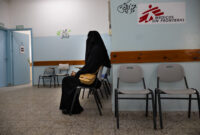
Not a single hospital is currently fully functional in Gaza, and only 18 out of 36 hospitals are partially functioning according to the World Health Organization. The few remaining facilities cannot meet the vast medical needs, especially for critical cases requiring burn care and reconstructive surgery.
- As Gaza’s health infrastructure has collapsed, civilians are left without lifesaving care. Patients with trauma injuries, chronic diseases, communicable illnesses, malnourished children and pregnant women are dying from preventable causes.
People with complex and chronic diseases have been unable to access care for years. The last dialysis machines have been destroyed or unable to work without sufficient clean water, cancer wards have been bombed.
This is not just a humanitarian emergency; these are elements of genocide that persist even after the ceasefire agreement.
The lack of access to basic needs is further fueling medical needs.
Poor and unsafe living conditions continue to impact people’s ability to heal and our teams are seeing people whose wounds have become infected, as dressings cannot be changed as regularly as they should. Increased winter rain is only exacerbating this situation.
Winter is bringing a concerning increase in respiratory infections, which can be especially dangerous for newborns, and people with pre-existing health conditions including chronicpatients
Ongoing offensives across multiple locations in Gaza and repetitive evacuation orders further reduce people’s access to healthcare.
On top of the casualty toll caused by the bombardments and fighting, there are many ‘silent killings’ – people who have succumbed to entirely preventable conditions or had their healthcare disrupted due to the conflict: dialysis patients who can’t receive treatment, noncommunicable diseases patients left untreated, pregnant women with complications who can’t find treatment.
Healthcare and humanitarian workers have been repeatedly attacked.
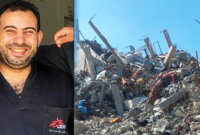
Since the war began, over 1,700 health workers in Gaza have been killed, according to the UN. Fifteen MSF colleagues have been killed since the start of the war. We condemn these killings in the strongest possible terms.
Israels´ blockade on Gaza has left hospitals without critical supplies.
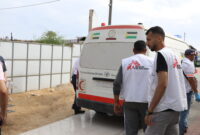
Throughout the war, MSF has witnessed patients dying on hospital floors, as facilities have been unable to cope with the overwhelming number of patients or haven´t had the supplies needed to provide care. Israeli authorities have on numerous occasions denied and delayed entry for items like oxygen concentrators which are essential for anesthesia. The same for surgical equipment and generators, without which it is almost impossible to provide surgical care – resulting in more lives lost.
How is MSF responding in the West Bank?
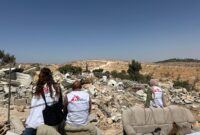
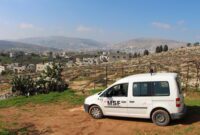
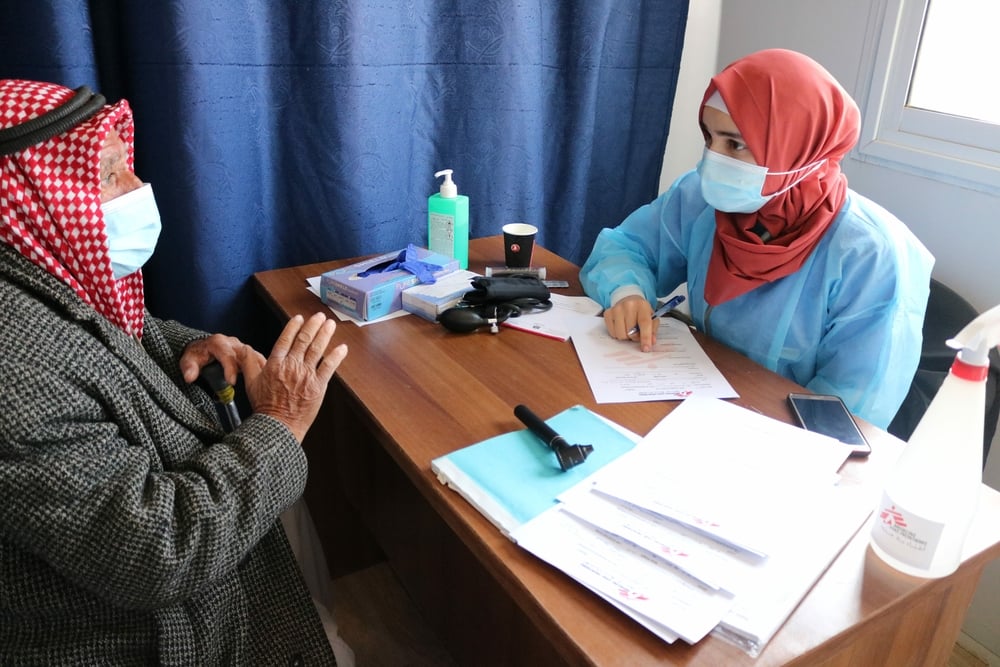
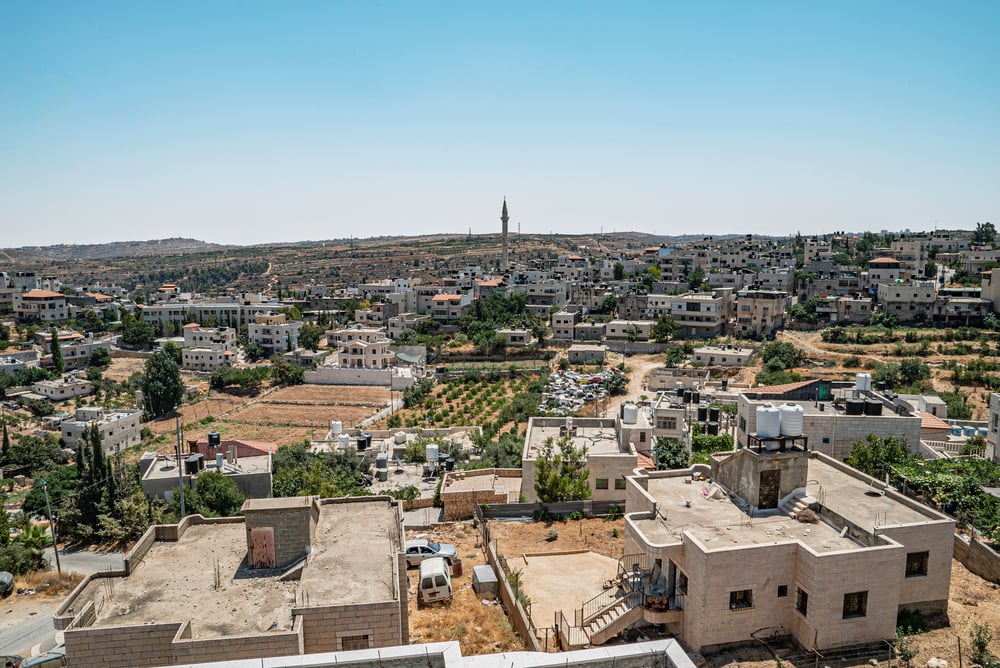
MSF’s activities in the West Bank have been affected by the escalation of violence and movement restrictions that have limited people’s access to essential services, including healthcare. The impact on our patients’ mental health has been a particular concern.
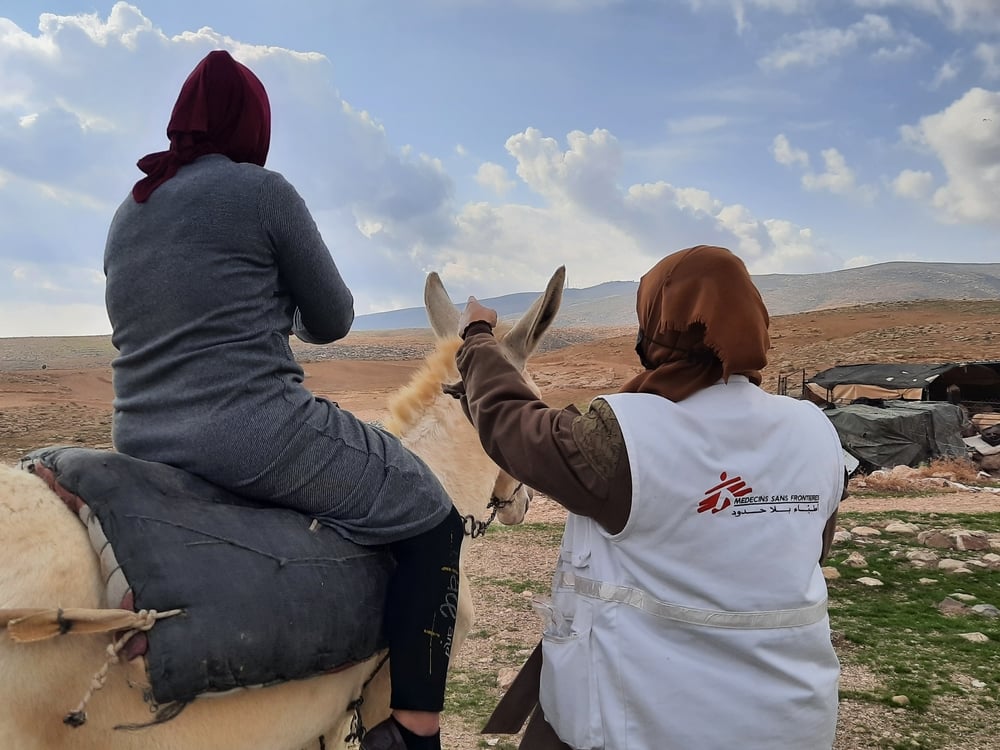
We have responded by expanding our work to reach communities directly through helping local emergency services and supporting healthcare centres and clinics.
This includes:
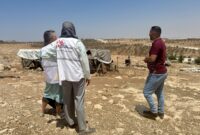
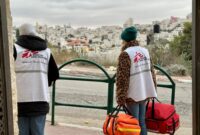
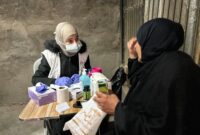
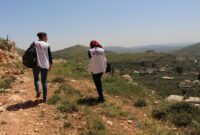
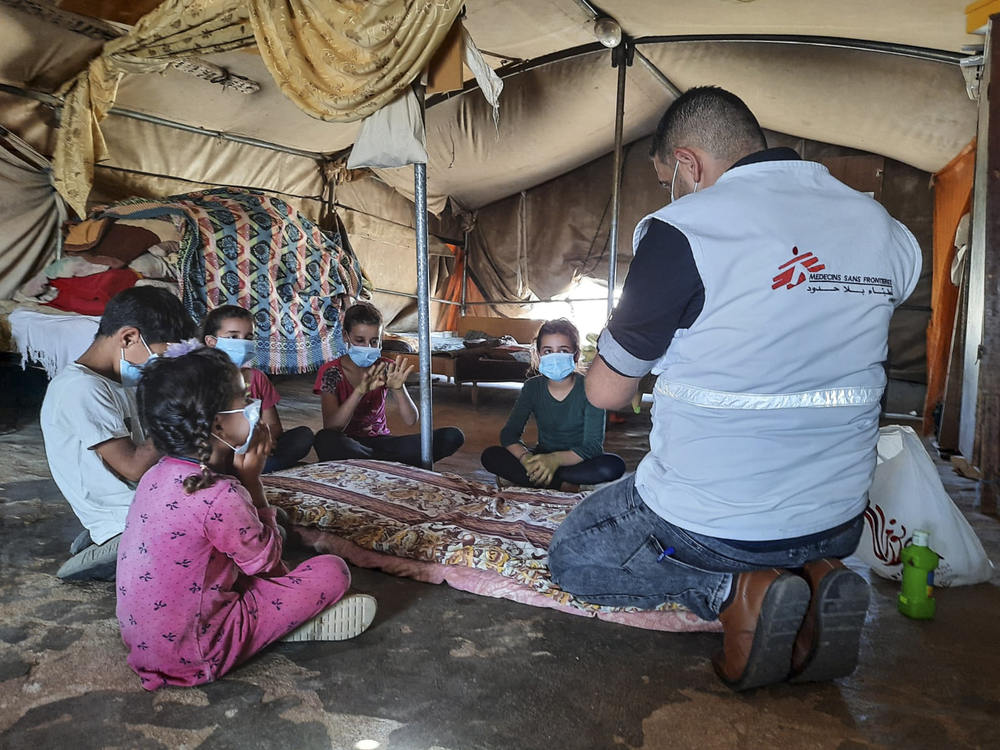
- Hebron: In Hebron district, we provide medical care through 16 mobile clinics. We deliver mental health services, donations to hospitals, and first-aid kits to communities. We also provide social work case management for communities affected by settlers’ attacks, including in Hebron’s Old City, Dura, and Masafer Yatta. MSF also runs community activities in Umm Qussa, Al Majaz, Umm Al Kheir and in H2 neighbourhood of the Hebron city. Our teams also distribute relief items to families affected by violence and forcible displacement.
- Nablus: We have trained volunteers from the Palestine Red Crescent Society as first aid responders in Nablus, Tubas, and Qalqilya. We continue to train doctors and nurses in the emergency rooms of three different hospitals.
- Jenin and Tulkarem: MSF runs 11 mobile clinics across Jenin and Tulkarem. We are also supporting eight clinics. In villages around Jenin and Tulkarem, MSF teams are delivering psychological first aid, and referring patients to newly established mental health points, as well as our mobile clinics.
MSF in conflicts
Around one-quarter of our medical humanitarian assistance is for people caught in armed conflict.
Armed conflict devastates lives and destroys communities. Targeted, harassed and caught in hardship and poverty, people are forced into flight or to live under siege and face indiscriminate attacks. Access to basic needs such as food and medical care is often disrupted.
Comprehensive medical and humanitarian support is vital, though health services are often scarce.
MSF provides medical care based on needs alone and works hard to reach people who need help the most.
Frequently asked questions about our work in Gaza and our commitment to impartiality and neutrality.