Palestine: Three years on, Israel continues to asphyxiate Gaza
As Gaza’s demarcation ‘Yellow Line’ moves, people risk being shot by Israeli forces while essential aid is disrupted.
Doctors Without Borders/Médecins Sans Frontières (MSF) warns Israel is progressively asphyxiating Gaza and continuing its genocide. The space in which people can live is vanishing, while the conditions needed to survive is being systematically destroyed through continued violence, the deliberate blockade of essential supplies and the destruction of healthcare and essential infrastructure.
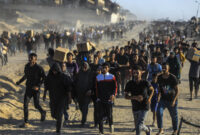
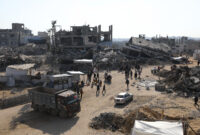
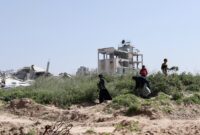
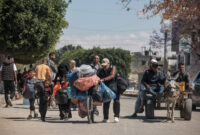
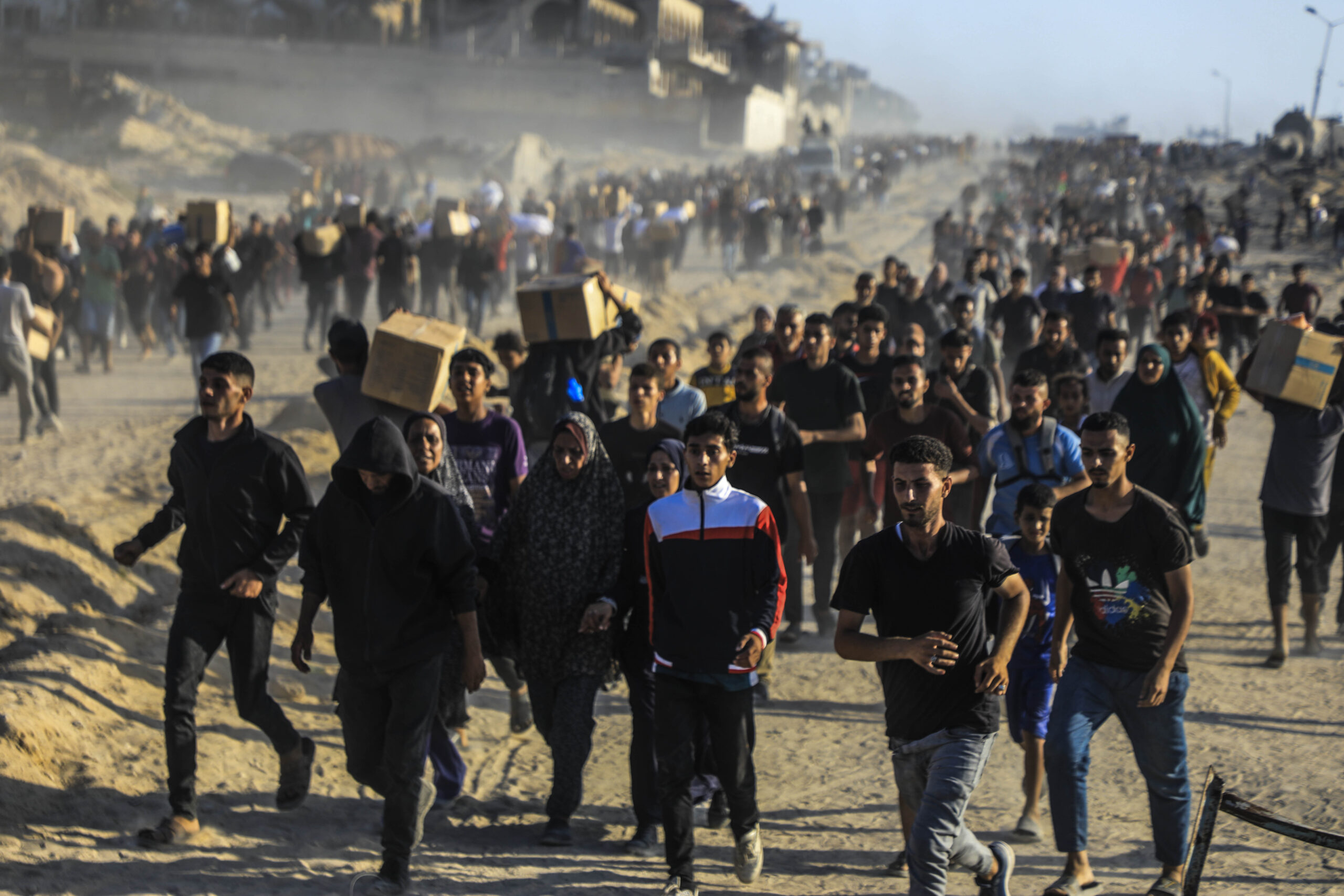
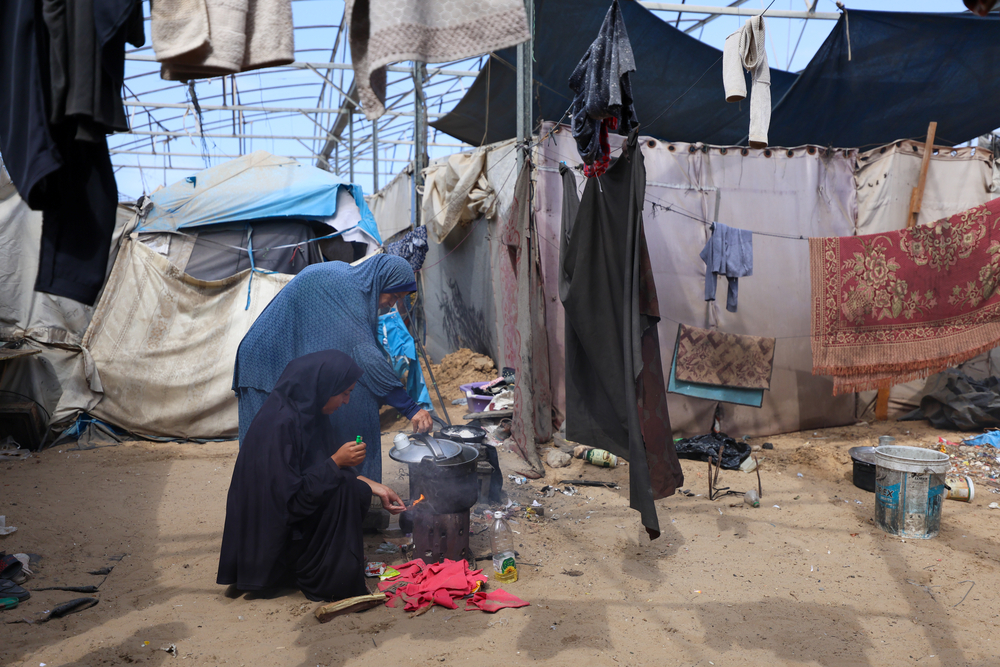
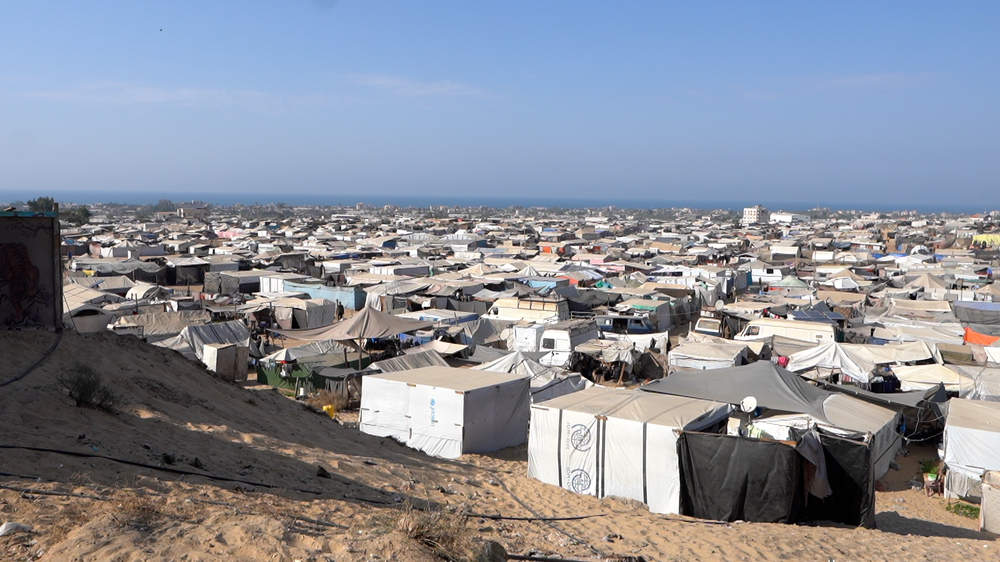
In the past year, the physical trapping of people in Gaza has been made increasingly definitive by the establishment of Israel’s Yellow Line. Originally presented as a temporary, first-phase military withdrawal position and a key part of maintaining the so-called ceasefire, it is now reinforced by military positions, berms and ongoing demolitions while continuing to move west, squeezing people into an increasingly smaller area. Israeli forces now occupy approximately 65 per cent of Gaza, using the line to draw a clear border around this area.
“It has become a mechanism of encirclement and ethnic cleansing, while cutting communities off from the infrastructure, healthcare, water and other essentials they need to survive.”
Amande Bazerolle, MSF head of emergency response in Gaza
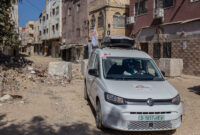
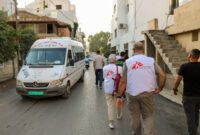
As the Yellow Line constricts, the threat to people living nearby becomes increasingly immediate, compounded by the uncertainty of approaching a line that is not clearly or consistently demarcated. People risk being shot by Israeli forces when they approach it, and MSF teams continue to treat people with gunshot wounds sustained nearby. Its encroachment is also disrupting the delivery of essential assistance: MSF water trucking has had to stop when shooting occurs near communities living close to the Yellow Line.
“The Yellow Line cannot be treated simply as a line on a map,” says Amande Bazerolle, MSF head of emergency response in Gaza, Palestine. “It has become a mechanism of encirclement and ethnic cleansing, while cutting communities off from the infrastructure, healthcare, water and other essentials they need to survive.”
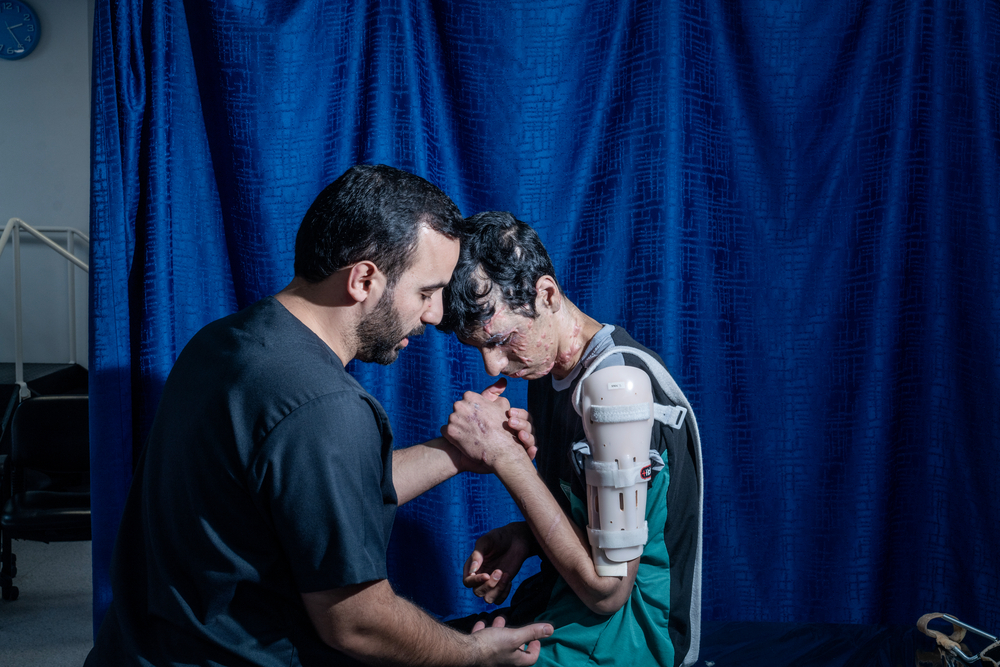
Burns, explosions and gunshot wounds: 1,200 trauma cases treated in two months
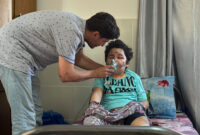
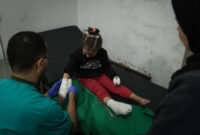
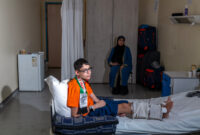
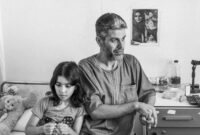
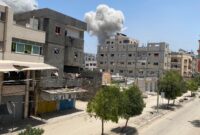
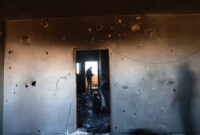
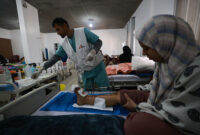
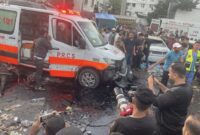
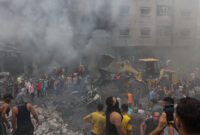
Nor is violence confined to the areas around the Yellow Line. In June and July alone, and despite a so-called ceasefire, MSF teams treated more than 1,200* cases of violent trauma across Gaza, including blast injuries, burns, gunshot wounds and injuries resulting from physical assault. Over the past three years, our teams have treated more than 200,000 trauma cases*, including injuries resulting from intentional physical violence, while Israel’s military offensive has killed more than 74,000 people, including more than 20,000 children.
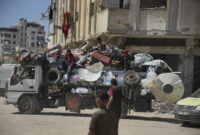
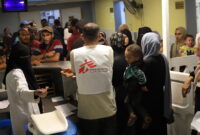
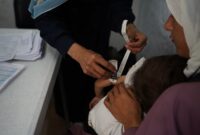
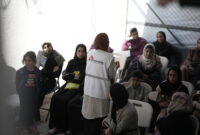
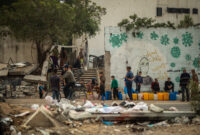
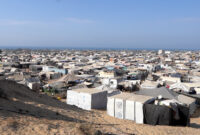
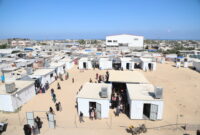
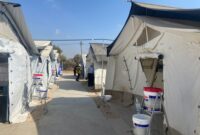
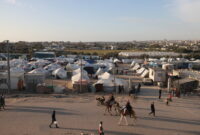
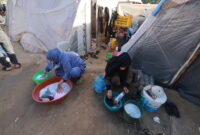
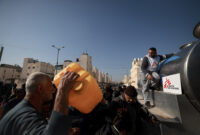
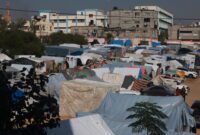
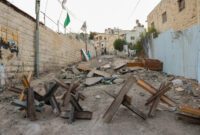
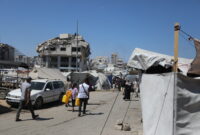
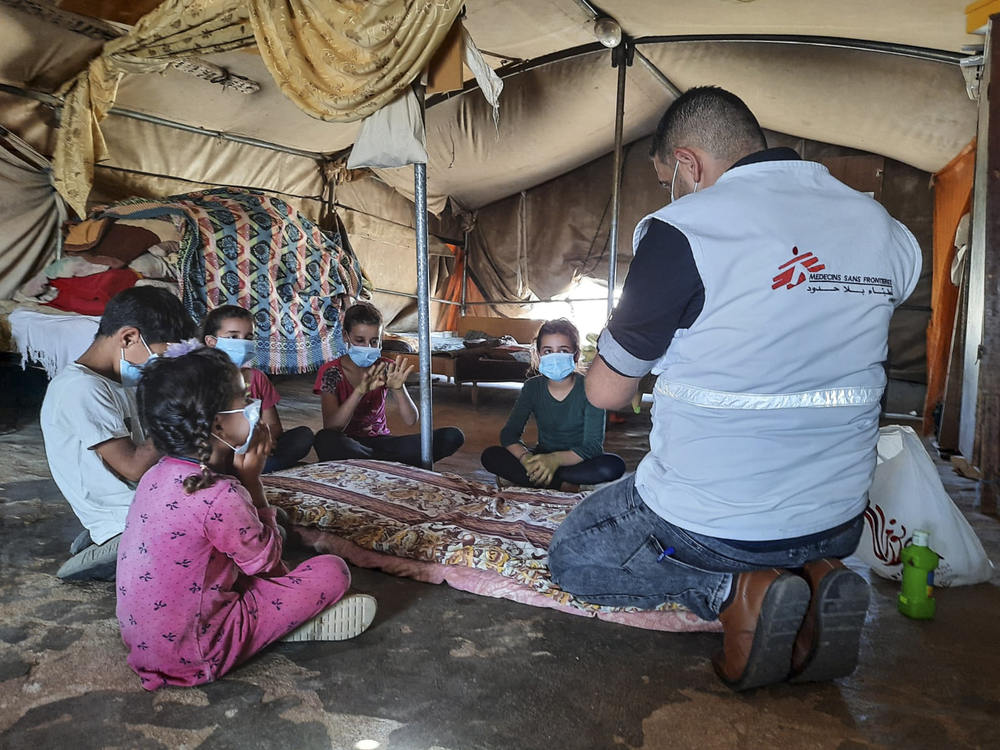
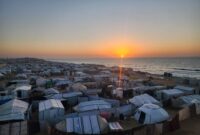
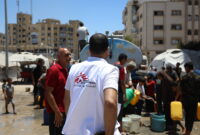
As Israel confines Palestinians into increasingly limited areas, families are being pushed into overcrowded and unlivable conditions, without sufficient access to clean water, sanitation, shelter or healthcare. These conditions are contributing to the spread of disease. MSF teams have treated more than 11,000 cases of skin diseases such as scabies this year alone, while seeing more than 1,500 cases of chickenpox in June and July. MSF distributed around 2.1 million litres of drinking water per day in August, yet the scale of need remains far beyond what can be met under these restrictions.
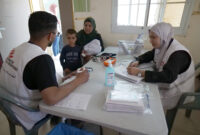
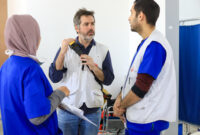
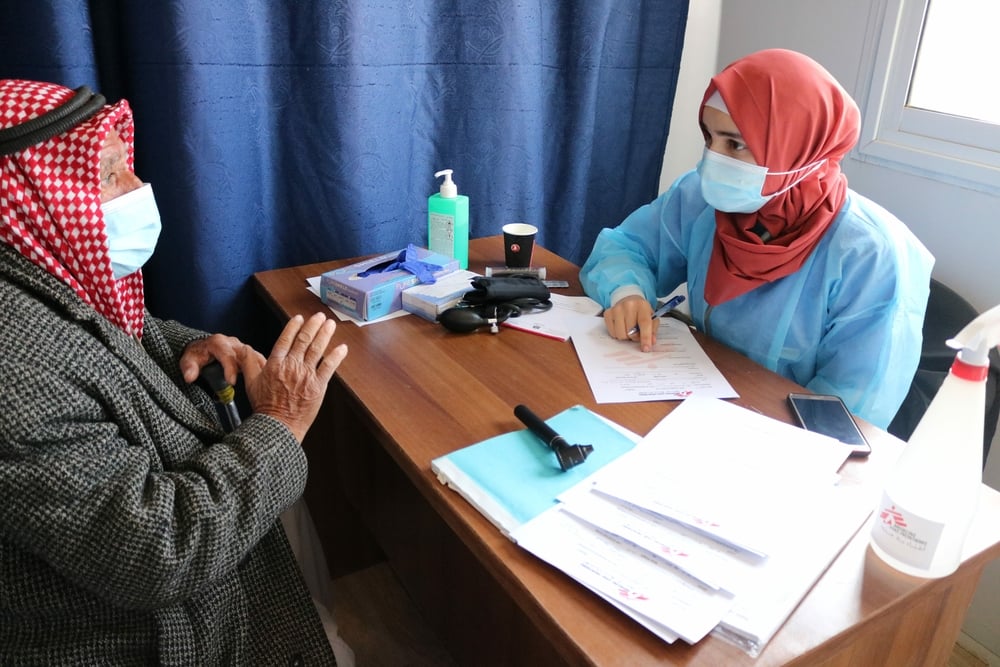
“Most people have less than six litres of domestic-use water per day and limited access to basic hygiene items such as soap and detergent,” says Murad Asaliyya, physician and medical activities manager in Gaza. “We are treating gastroenteritis, acute respiratory infections, a lot of skin conditions, hepatitis, bacterial skin infections, scabies and lice. At the same time, we are facing severe shortages in terms of medical supplies. Even the cream we need to treat scabies has been restricted by the Israeli authorities.”
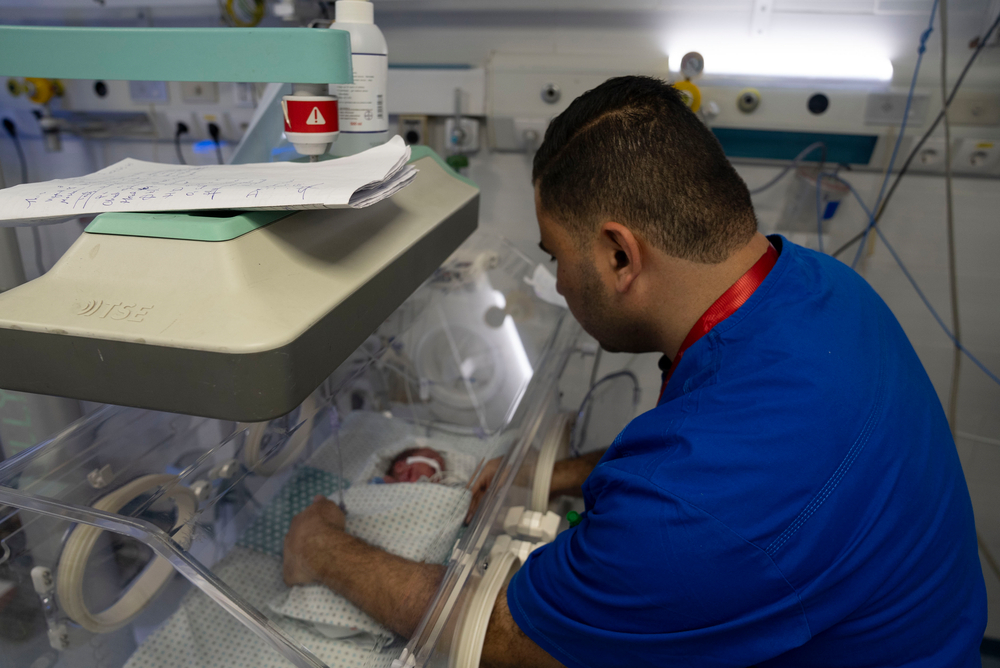
Shortage of equipment and medicines
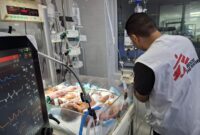
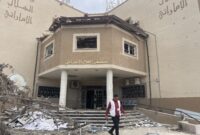
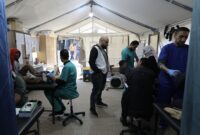
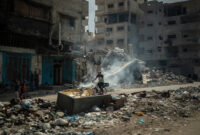
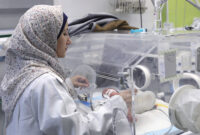
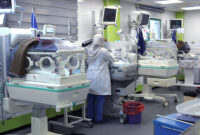
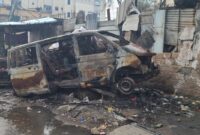
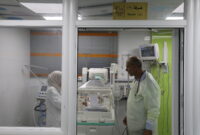
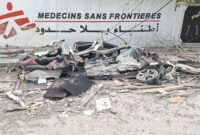
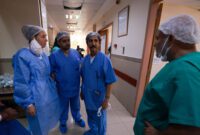
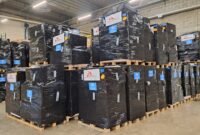
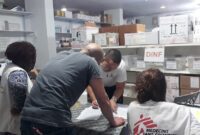
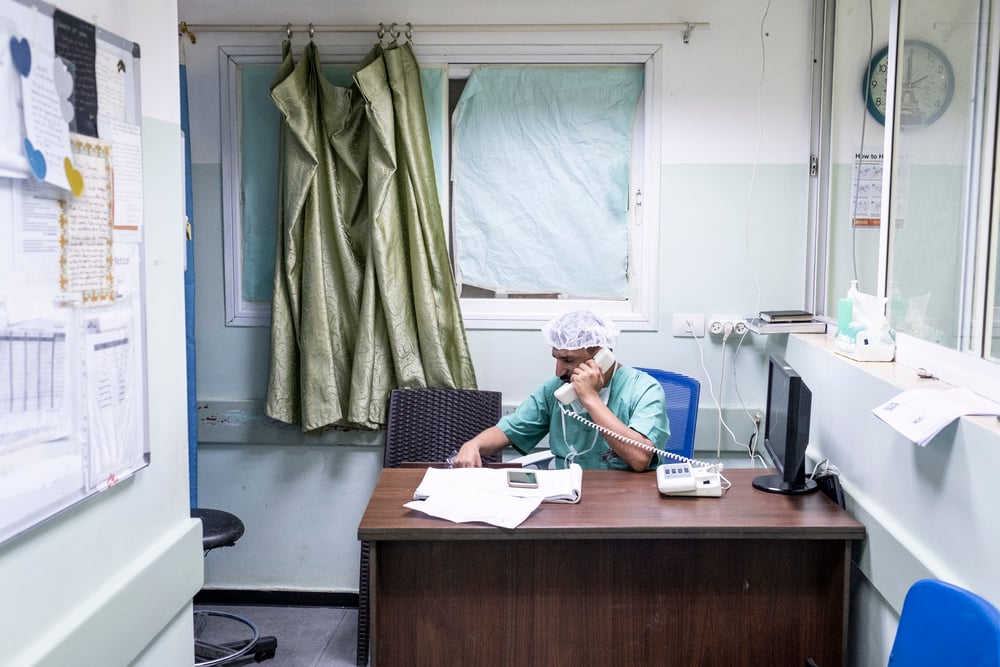
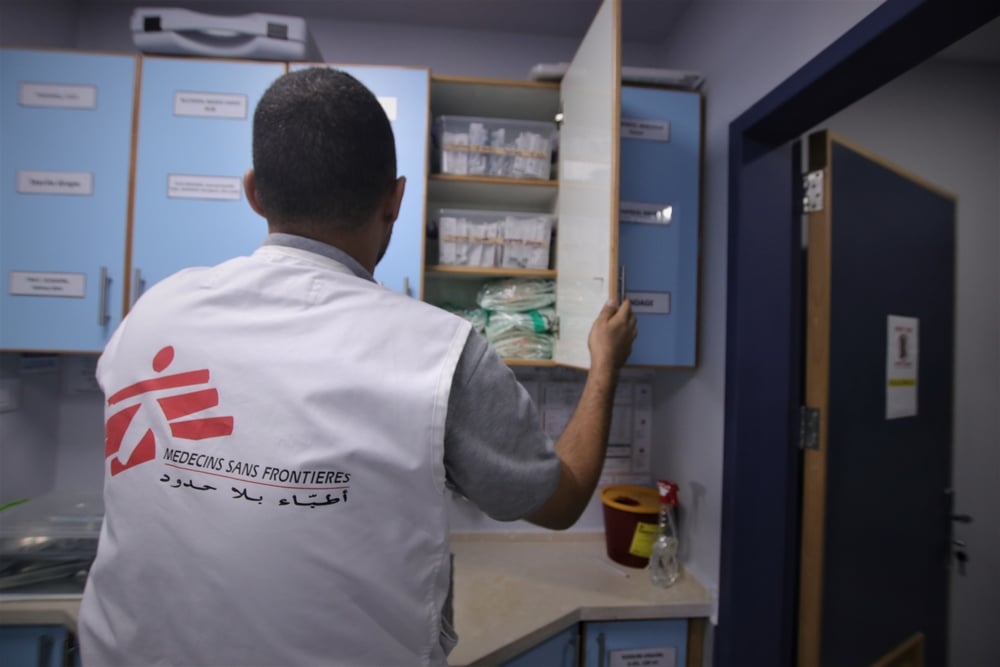
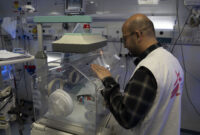
Over the past three years, access to healthcare has deteriorated dramatically, with hospitals increasingly running out of basic supplies and patients unable to access essential medicines and treatment. Restrictions on essential supplies such as engine oil and spare parts are also crippling the infrastructure needed to keep hospitals, ambulances and water systems running, with generators already breaking down and water-trucking operations reduced.
“It will take generations to recover from the harm that has already been done over the past three years, and in the preceding decades, while the excruciating consequences of Israel’s ongoing genocide are still being felt every day.”
Amande Bazerolle, MSF head of emergency response in Gaza
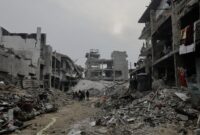
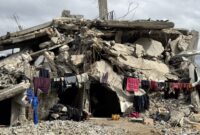
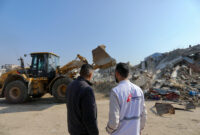
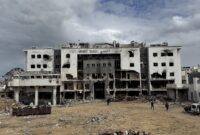
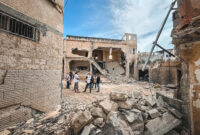
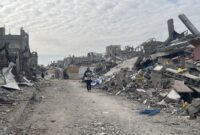
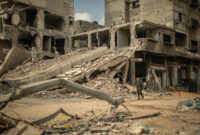
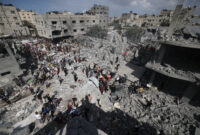
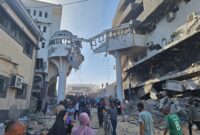
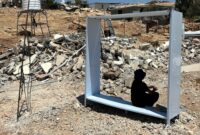
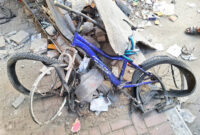
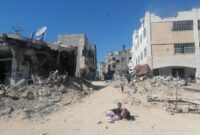
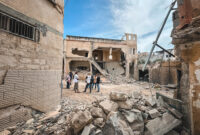
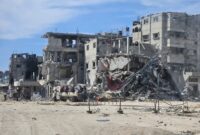
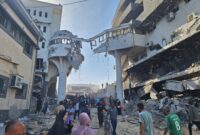
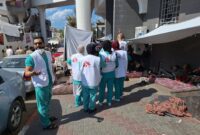
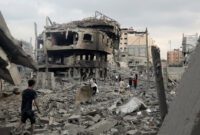
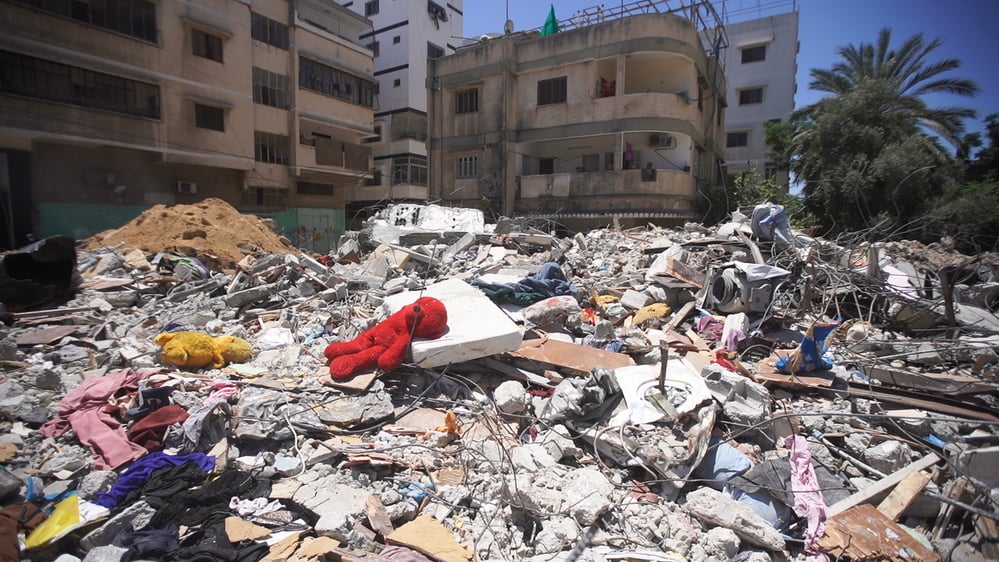
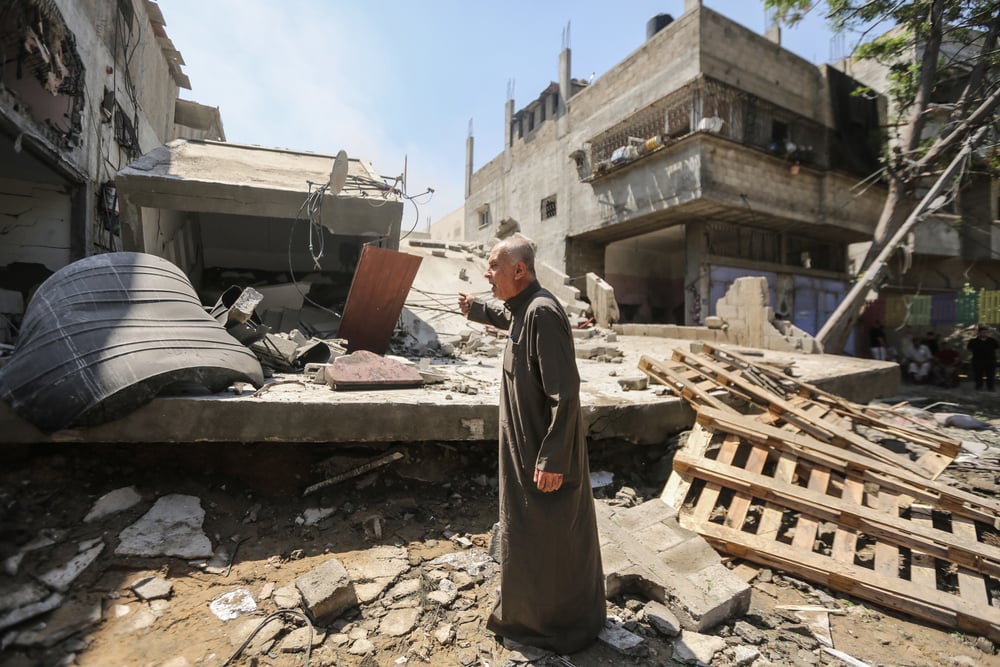
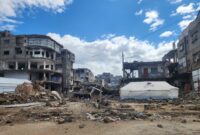
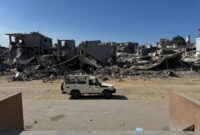
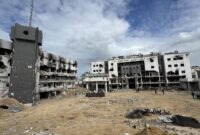
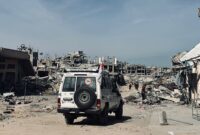
The destruction of Gaza’s healthcare system, damage to more than 80 per cent of all structures in Gaza, alongside the lifelong physical and mental health impacts of repeated violence and displacement, will extend far beyond the present and prevent any meaningful recovery for years to come.
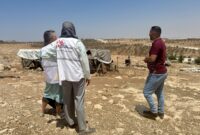
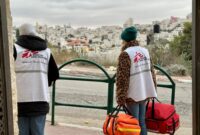
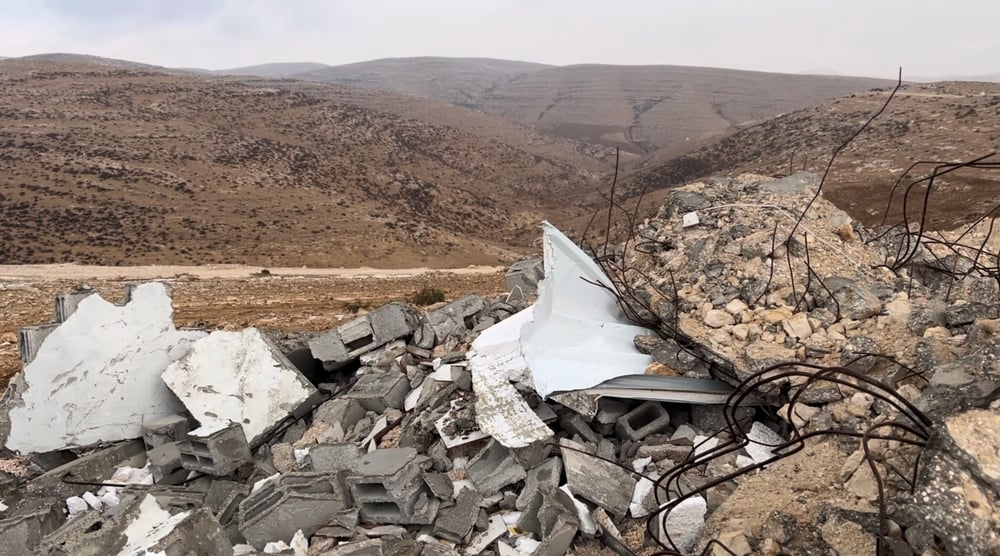
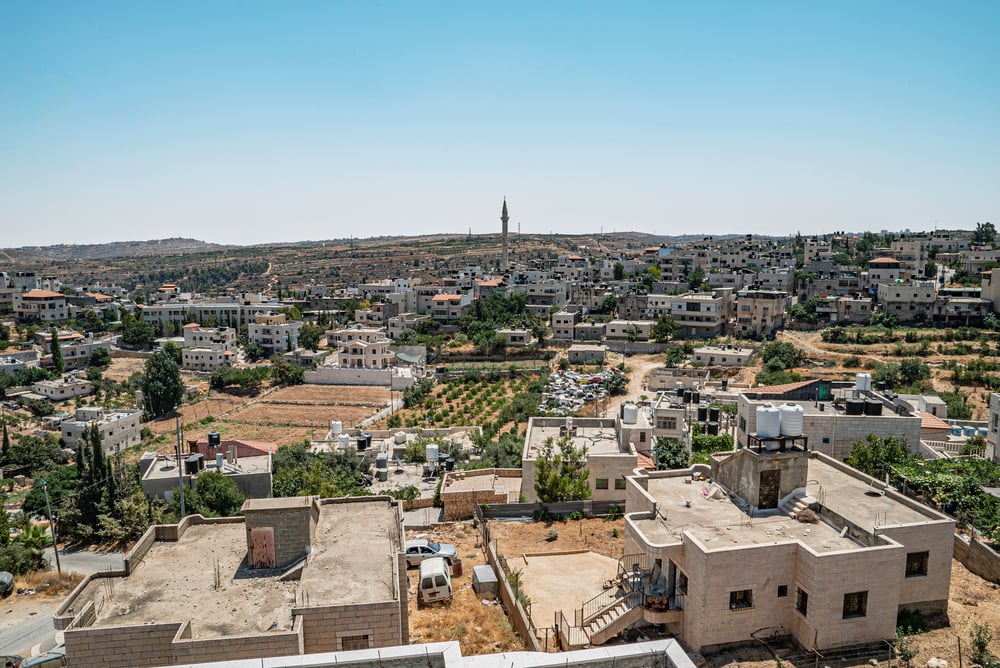
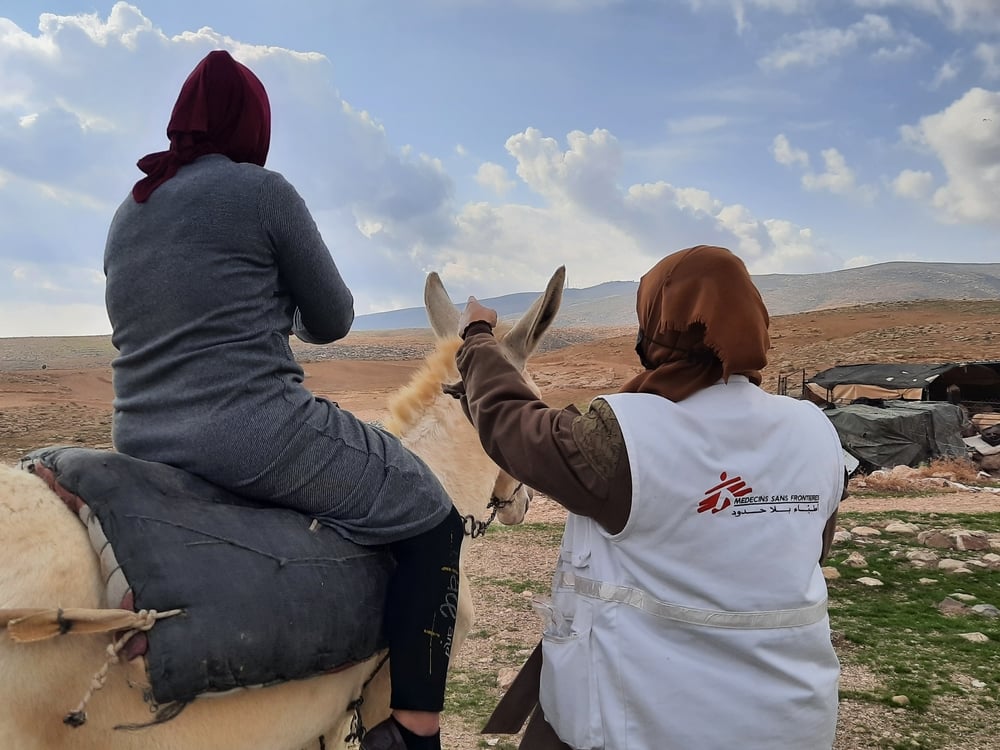
Nor is this crisis limited to Gaza. Since 2023, violent settler attacks, military operations and raids on homes, displacement camps and agricultural land, illegal settlement expansion, displacement, home demolitions and movement restrictions have rapidly escalated across the West Bank and East Jerusalem, particularly this year. Patients at MSF clinics tell teams about homes being demolished by Israeli forces, attacks by settlers and livestock being stolen. The policies of violence, harassment and forced displacement affecting Palestinians extend beyond Gaza, causing further fragmentation of the occupied Palestinian territory.
“It will take generations to recover from the harm that has already been done over the past three years, and in the preceding decades, while the excruciating consequences of Israel’s ongoing genocide are still being felt every day,” says Bazerolle. “Destruction, displacement and deprivation have become normalized — practices Israel is carrying out with impunity. Governments must act now to ensure Israel stops the destruction and killing, prevents ethnic cleansing and stops denying Palestinians the means of survival.”
* Refers to cases not patients, including new or follow up consultations.
Related news
Palestine: MSF resumes core lifesaving activities at Nasser hospital

Middle East and North Africa: Behind the armour, men’s mental health
Palestine: Ceasefire in Gaza, humanitarian aid must flow immediately